The Difference Between a Trip That Pays Off and One That Just Gets You There
A business trip has a defined purpose: the meeting, the conference, the client visit. Most travelers optimize entirely for that primary objective and treat everything else as background logistics. The travel itself, the airport time, the dinners, the evenings with unexpected free hours, gets treated as downtime between the actual work.
That’s a narrow way to think about it. The most productive business travelers understand that business travel networking is not a secondary activity that happens if time allows. It’s an opportunity that exists specifically because you’re away from your usual environment, in a new city, around a different group of people, at a moment when conversations happen more naturally than they do in a crowded calendar back at the office.
The preparation for effective networking on a business trip doesn’t happen in the conference room. It happens before you leave. This article covers what that preparation actually looks like.
Why Most Business Travelers Under-Network on Trips
The instinct during business travel is to protect energy. The trip has a primary purpose, that purpose has demands, and anything that adds to the schedule feels like it competes with the reason you traveled in the first place.
The result is that most business travelers operate in a tight triangle: hotel, meeting venue, hotel. They eat alone or with immediate colleagues, skip the conference cocktail hour because they’re tired, and fly home without having met a single person who wasn’t already on the pre-trip agenda.
This is a significant missed opportunity, and it’s one that’s addressed almost entirely in the preparation phase rather than in the moment. When the networking activities are pre-planned and pre-scheduled before departure, they don’t require decision-making energy on a long travel day. They’re already on the calendar.
The Pre-Trip Networking Checklist
The week before a business trip is when the foundation for effective networking gets built. Here’s what that preparation involves.
Research What’s Happening in the Destination
Every city has a professional and industry event calendar that’s publicly accessible. For major cities like Philadelphia, New York, Chicago, and Atlanta, conference schedules, association events, and professional meetups are usually findable through:
- The local Chamber of Commerce website
- Industry association event listings
- Eventbrite and similar platforms filtered by professional category
- LinkedIn Events, which allows searching for events in a specific city during a specific date range
- The convention center’s event calendar for the destination (Philadelphia’s Pennsylvania Convention Center, for example, publishes its full schedule publicly)
The goal isn’t to attend every event. It’s to identify one or two that align with your industry or professional interests and could realistically fit the trip schedule. One targeted event is more valuable than three that you attend under-prepared and without intention.
Connect with People Before You Arrive
LinkedIn is the most effective tool for pre-trip networking, and most professionals use a fraction of its capability for this purpose.
Before a trip, search for people in your industry or adjacent fields who are based in the destination city. Review their profiles. Look for shared connections, shared employers from your past, shared conference appearances, or shared professional interests that create a natural opening for a message.
A direct, honest LinkedIn message sent before the trip, explaining that you’re visiting the city for a few days for work and wondering whether they’d have time for a 20-minute coffee or a phone call, succeeds at a higher rate than most people expect. The key is being specific about the reason for reaching out and specific about what you’re asking for.
For sales professionals and entrepreneurs, this pre-trip outreach process is how trips to new markets build into meaningful pipelines. For conference attendees, it’s how a conference becomes a source of genuine professional relationships rather than a collection of business cards with no follow-up context.
Plan the Networking Dinner
The networking dinner is one of the most effective business travel networking formats, and it’s also one that requires the most lead time to organize well.
A networking dinner works as follows: you identify a small group of people, ideally a mix of existing contacts and new ones you want to connect with, and invite them to a dinner at a restaurant you’ve selected in advance. The guest list is curated around shared professional interests or complementary roles. The setting is a good restaurant rather than a conference room. And the conversation is informal, relationship-building rather than transactional.
The logistics require three weeks of lead time for best results. Send invitations that early, confirm the restaurant reservation, and send a calendar invite with all details. Two days before the dinner, send a brief reminder. Introduce guests to each other at the dinner by name and one relevant detail about each person, so the table has context for conversation.
For cities like Philadelphia, where the restaurant scene offers genuine options for impressive business dinners (Zahav in Old City, Vetri Cucina, Barclay Prime in Rittenhouse, Parc on Rittenhouse Square), the venue choice communicates something about the host’s investment in the evening. A well-chosen restaurant sets a professional tone before anyone sits down.

LinkedIn as a Pre-Trip and Post-Trip Networking Tool
LinkedIn’s value for business travel networking is highest at the edges of the trip: before arrival and after departure.
Before the trip:
Search for people in the destination city by industry, job title, or mutual connections. Review the attendee lists for conferences or events you’re attending, if those lists are accessible. Send personalized connection requests or direct messages to people you’d genuinely find value in meeting. Be specific: mention the city, the dates, and the reason for reaching out.
For conference attendance specifically, many professional conferences now have attendee apps or LinkedIn event pages where attendees can view each other’s profiles in advance. Using these tools in the week before the conference to identify and reach out to specific attendees is how the most well-networked conference-goers arrive with multiple meetings already scheduled for the breaks between sessions.
After the trip:
The 48 hours following a business trip are the most important window for networking follow-up, and the window that most travelers let close without acting. Send LinkedIn connection requests with a brief personalized note referencing the context of your meeting. Send follow-up emails to people you had substantive conversations with. Share an article or resource that’s relevant to something discussed.
The professional relationships that develop from business travel are built in this follow-up phase. The trip creates the initial contact; the follow-up determines whether that contact becomes a relationship.
Networking in Conference Settings: What Actually Works
Conferences are the primary business travel networking environment for many professionals, and they’re also environments where the instinct toward comfortable behavior, staying near colleagues you already know, hovering near the food, checking your phone during breaks, consistently produces the worst networking outcomes.
A few practices that change conference networking from passive to active:
Introduce yourself to the host. Conference organizers and hosts introduce people as part of their role. Approaching the host, identifying yourself clearly, and expressing specific interest in connecting with particular types of attendees results in introductions that wouldn’t happen otherwise.
Set a specific goal. Rather than “network better,” a concrete goal such as “meet three people working in supply chain technology” or “connect with two professionals from the Southeast market” creates a framework that focuses attention and makes follow-up easier.
Move through the room with intention. It’s easy to have one long conversation at a networking event that consumes the entire available time. The goal of a networking event is breadth, not depth. Brief, substantive initial conversations that end with an exchange of contact information and a specific follow-up plan are more valuable than one 45-minute conversation that doesn’t go anywhere professionally.
Stay off your phone. This is mentioned in nearly every networking guide because it remains the most common behavior that signals disengagement. The person looking at their phone at a conference cocktail hour is broadcasting that they don’t want to be approached. The person who makes eye contact and is attentive is accessible.
Networking in Smaller Cities and Secondary Markets
Business travel networking in major cities has an inherent infrastructure: conferences, professional associations, industry events, and a density of professionals that makes connection relatively accessible.
Smaller cities and secondary markets require a different approach. The event calendar is thinner. Professional associations may have less active local chapters. And the network of people worth meeting is more diffuse.
In these markets, the pre-trip LinkedIn research matters more than anywhere else. Identifying three or four specific people to reach out to before departure, and following through with direct outreach, is how professional connections get made in cities where the natural infrastructure for networking doesn’t exist in the same density.
The networking dinner format works particularly well in smaller markets. In a city where there’s no industry conference this week, hosting a dinner of local professionals around a shared topic is itself a networking event that didn’t exist before you created it.
The Transportation Element of Business Travel Networking
This deserves specific attention because it’s both practical and underappreciated. How you travel during a business trip affects your networking capacity.
The traveler who spends 45 minutes navigating an unfamiliar city’s parking situation before a conference, or who arrives at a dinner flustered from a difficult drive through a city they don’t know, is not arriving in the right state for productive professional relationship-building.
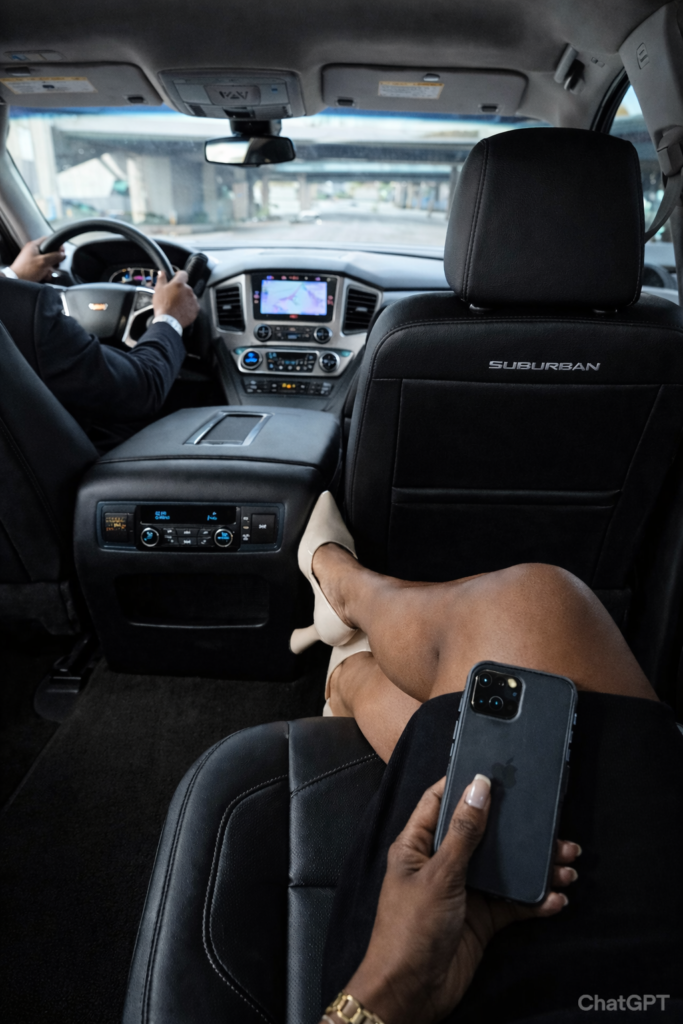
Pre-arranged ground transportation for a business trip, particularly in cities with significant traffic and parking complexity, solves this directly. When the vehicle is confirmed, the driver is familiar with the destination, and the logistics are handled before the day starts, the travel itself becomes neutral rather than draining.
For Philadelphia-based business travelers departing for trips to New York, Washington, or other regional cities, and for business visitors arriving at Philadelphia International Airport heading into Center City for meetings and events, Delux Limousines provides professional executive car service that handles the transit portion of the day without adding to its demands.
This isn’t a luxury consideration. It’s a productivity and state-of-mind consideration. An executive arriving at a networking dinner by pre-arranged car service, having used the transit time to review contacts or finalize notes, arrives ready for the conversation. The driver finds the destination, handles the approach, and keeps the evening’s logistics invisible.
Service options are at dltsl.com/services.
Common Business Travel Networking Mistakes
These are worth naming directly because they’re easy to fall into even with good intentions.
Not researching before the trip. Discovering a relevant industry event the day after it happened because you didn’t check the calendar before departure is a preventable loss.
Staying only within the trip’s primary purpose. The meeting is the objective; networking builds the context for future meetings. Treating them as mutually exclusive limits both.
Collecting cards without following up. A stack of business cards with no follow-up action is worse than no cards at all because it creates a false sense of productivity while producing no lasting connections.
Only talking to people you already know. Conferences and professional events are valuable precisely because they put you around people outside your existing network. Spending the cocktail hour exclusively with colleagues from your own company defeats the purpose.
Being vague about what you do or what you’re looking for. Clear, specific self-introduction makes it possible for other professionals to understand the connection opportunity and to introduce you to relevant people. “I work in finance” does less work than “I help mid-size manufacturers with their working capital financing, particularly in the healthcare supply chain.”
Over-scheduling. Filling every dinner slot, every morning slot, and every evening slot with scheduled networking creates a different problem: the inability to capitalize on spontaneous connections that emerge from the trip itself. Leave buffer.
Preparation Timeline: What to Do and When
| Time Before Trip | Action |
|---|---|
| 3 weeks out | Research destination events; plan networking dinner if applicable |
| 2 weeks out | Send LinkedIn outreach to destination contacts; confirm dinner restaurant |
| 1 week out | Send dinner invitations; confirm scheduled meetings |
| 2-3 days out | Send reminders; review conference attendee list |
| Day before | Confirm car service; prepare business cards; review contact list |
| Day of | Confirm car service pickup; arrival timing for events |
| 48 hours after | Send LinkedIn requests and follow-up messages to all new contacts |
The Follow-Up Is the Networking
It bears repeating: the conversation at the conference cocktail hour or the dinner table is the introduction. The follow-up is where the professional relationship actually begins.
A follow-up message sent within 48 hours of the connection, referencing something specific from the conversation, and including either a next step (a call, a shared resource, a connection to a third party) or a genuine expression of interest in staying in contact, converts an introduction into a professional relationship.
The messages that don’t get sent are the professional relationships that don’t develop. Business travel networking at its most effective is not about the number of conversations had during the trip. It’s about the number of professional relationships that are active six months after the trip because someone made the follow-up a priority.
Effective business travel networking is a skill that develops with practice, but the foundation is preparation. Research the destination, reach out before you arrive, plan the dinner, set the conference goals, and protect the 48-hour follow-up window after you return. The trip itself handles the conversations. The preparation and follow-up determine whether those conversations become anything of lasting professional value.
For business travelers who want their transit to support rather than subtract from the day’s professional effectiveness, Delux Limousines provides executive car service throughout the Philadelphia region and for arrivals and departures at PHL. Contact the team at dltsl.com/contact-us.
Call: 610-871-8784
WhatsApp: 267-988-3392
Email: reservations@dltsl.com