Overpacking is one of those travel mistakes that feels minor until you’re dragging an overweight suitcase through Philadelphia International Airport at 5:30 in the morning, negotiating with an airline agent about baggage fees while your fellow travelers sail past with compact, well-organized carry-ons. It’s a familiar scenario. And it’s almost entirely preventable.
These seven smart packing tips aren’t theoretical. They come from the practical realities of frequent travel domestic routes, long-haul international flights, business trips, and leisure journeys alike. Apply them before your next departure and you’ll spend less time managing your luggage and more time focused on where you’re actually going.
1. Start with a List, Not an Open Suitcase
The most common packing mistake happens before a single item goes into a bag: opening the suitcase and starting to fill it without any prior structure. What results is an instinct-driven pile of “just in case” items that doubles your intended load.
Write a packing list specific to your trip. Think through the actual days: where you’ll be, what you’ll be doing, and what the weather is likely to be. A three-day business trip to Chicago in November needs a completely different list than a five-day summer trip to Miami.
Once you have a list, lay everything out on a flat surface before packing. Then edit it. Remove anything you can’t envision wearing or using at a specific point during the trip. If you can’t justify an item in context, it doesn’t travel with you.
This step takes twenty minutes. It saves hours of frustration at baggage check, in your hotel room digging through an overstuffed bag, and at the security line when your luggage won’t zip shut.
2. Master the Rolling vs. Folding Decision
The roll-everything advice is popular and partially right. But a more precise approach produces better results.
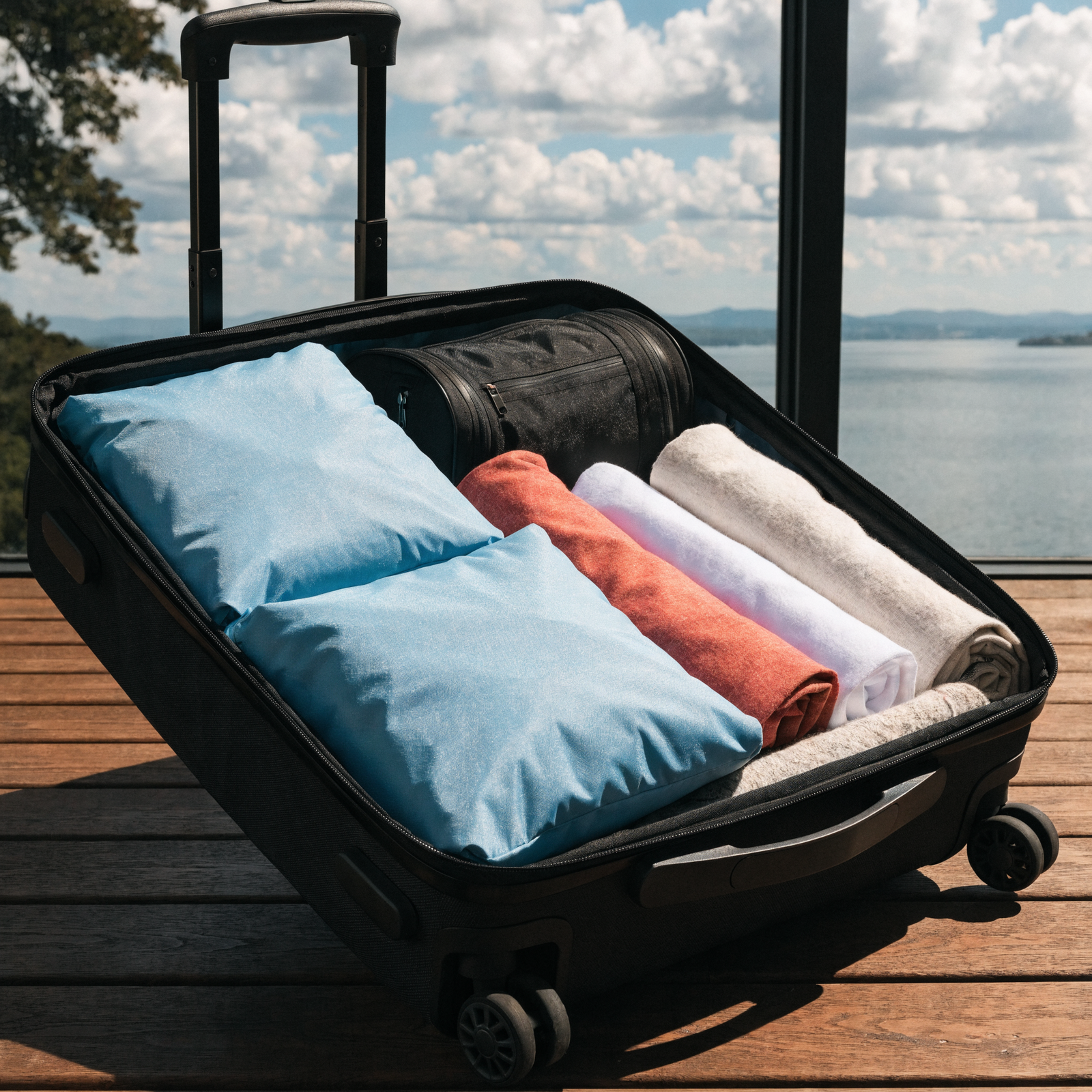
Roll: T-shirts, casual trousers, shorts, underwear, socks, and lightweight fabrics. Rolling compresses these items significantly and reduces wrinkles in softer materials.
Fold: Structured shirts, blazers, dress trousers, and anything with defined lines or collars. These items crease along fold lines more predictably, and if you fold them correctly using a book-fold method where garments are layered and folded together they arrive at your destination considerably less wrinkled than if rolled.
The hybrid approach is what most experienced travelers actually use. Fold your structured pieces flat at the base of the suitcase, then roll and layer casual items above. This also creates a natural weight distribution: heavier, sturdier items at the bottom, lighter items on top.
3. Packing Cubes Change Everything Use Them Correctly
Packing cubes are one of the few travel accessories that genuinely deliver on their promise. The key is using them with intention rather than simply dropping clothes into them.
Each cube should serve one category: one for tops, one for bottoms, one for underwear and socks, one for gym or casual wear. This system means you never unpack your entire bag to find a single item. You pull the relevant cube, find what you need, and everything else stays organized.
For maximum compression, fold or roll items before placing them in the cube. Fill each cube fully before zipping a half-filled cube wastes the organizational benefit. For particularly bulky items like sweaters, look into compression-style cubes that have a secondary zipper to reduce volume.
For carry-on travel, packing cubes make the difference between fitting everything in a single cabin bag and being forced to check luggage at the gate.
4. The Dead Space Rule: Nothing Wasted
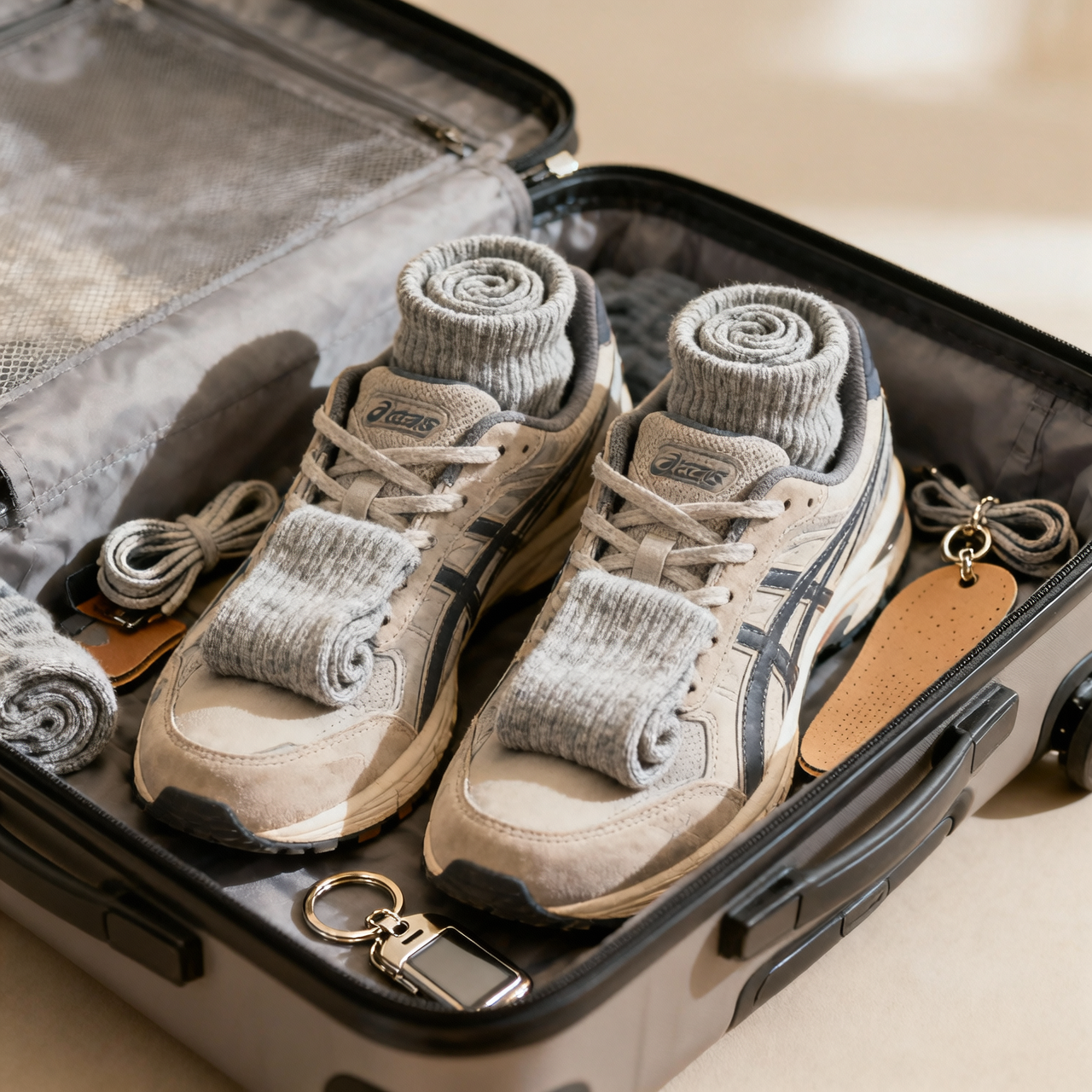
Inside every piece of luggage is dead space that most travelers ignore. The interior of shoes is the most obvious example. Stuff each shoe with rolled socks, a phone charger, a small toiletry item, or anything compact. Shoes are structurally rigid they hold their shape and protect whatever you pack inside.
Other dead spaces worth noting:
- The gap between folded clothing and the suitcase wall
- The interior pockets of jackets packed flat
- Space around toiletry bags when placed in corners
It sounds minor. Over the course of a full bag, maximizing dead space consistently frees up meaningful room often the difference between fitting into a carry-on and needing a checked bag.
5. Wear Your Heaviest Items on Travel Day
This tip is straightforward and significantly effective. Your heaviest, most space-consuming items hiking boots, a winter coat, a thick sweater, a chunky cardigan should be on your body when you travel, not inside your bag.
For a flight departing Philadelphia International during a January morning with temperatures in the twenties, this is both practically sensible and strategically smart. You need the coat for the walk and the drive to the airport. You board, stow it in the overhead bin or carry it across your arm, and your suitcase holds considerably lighter clothing as a result.
The same principle applies to bulky shoes. Wear them through the airport. Pack the lighter, more compact pair. Your luggage weight drops meaningfully, and you avoid the spatial challenge of fitting large footwear alongside everything else.
6. Pack Liquids and Toiletries With Security in Mind
TSA’s 3-1-1 rule is well known: liquids must be in containers of 3.4 ounces or less, all fitting inside one quart-sized clear bag, one bag per passenger. What travelers less frequently consider is the placement and execution of this rule during actual security screening.
Your liquids bag needs to be accessible. Not buried at the bottom of your carry-on beneath three cubes of clothing. It goes in a designated exterior pocket or at the very top of your bag, so it can be removed quickly at the checkpoint without creating a disruption behind you.
For checked luggage, there’s no size restriction on liquids, but there are weight and space implications. Full-size shampoo, conditioner, and body wash bottles are heavy and take up significant room. Consider solid shampoo bars and conditioner bars — they’re TSA-friendly in carry-ons and compact for checked bags. Alternatively, use hotel-provided toiletries and pack only prescription or specialty items you can’t source at your destination.
One additional point: check airline liquids rules before every international trip. Regulations vary between U.S. domestic and international standards, and some non-U.S. airports enforce rules that differ from TSA guidelines.
7. Build in Return Space Before You Leave
Most travelers pack to maximum capacity on departure and then face a genuine problem on the return: souvenirs, purchased items, and additional gear have nowhere to go.
Two solutions worth building into your packing strategy from the start:
The empty bag method: Pack a lightweight, foldable nylon tote or duffel bag flat inside your luggage. It takes up almost no space going out and becomes a full additional bag on the way back either as a checked item or a personal item depending on what you’ve accumulated.
The intentional gap: Pack deliberately to eighty percent of your bag’s capacity rather than one hundred percent. This requires more discipline in the initial list-editing phase, but it gives you the freedom to bring things back without reorganizing everything at your hotel the night before departure.
For travelers connecting through major hubs or departing from PHL on international routes, having your return logistics thought through in advance also reduces the stress of check-in at the outbound airport. Agents sometimes inspect bags at weight checks, and arriving with a bag that has room to breathe is always preferable to arriving at the counter already knowing you’re over the limit.
A Note on Luggage Selection
The tips above apply regardless of what you’re packing into, but your choice of luggage does matter.
For frequent domestic travel, a quality hard-shell carry-on in the 21-22 inch range handles most trips efficiently. It protects contents better than soft-sided bags and tends to survive airline handling more reliably.
For international travel with multiple climates or extended durations, a medium checked bag (24-26 inches) paired with a compact personal item carries most of what you need without going over typical weight limits of 50 pounds.
Anti-theft backpacks with hidden zipper closures and cut-resistant straps are worth considering for travelers moving through busy international airports or connecting through dense urban transit systems. The additional security features are unobtrusive but meaningful in practice.
Quick Reference: Packing Priorities at a Glance
| Category | Recommended Approach | Key Benefit |
|---|---|---|
| Clothing | Roll casuals, fold structured items | Reduces wrinkles, saves space |
| Organization | Use packing cubes by category | Fast access, no repacking |
| Dead space | Fill shoes with small items | Maximizes every inch |
| Toiletries | Top-access liquids bag, solid bars | Quick security, less weight |
| Heavy items | Wear on travel day | Frees luggage space and weight |
| Return planning | Pack to 80% or bring foldable bag | No stress on departure day |
The Trip Starts Before the Airport
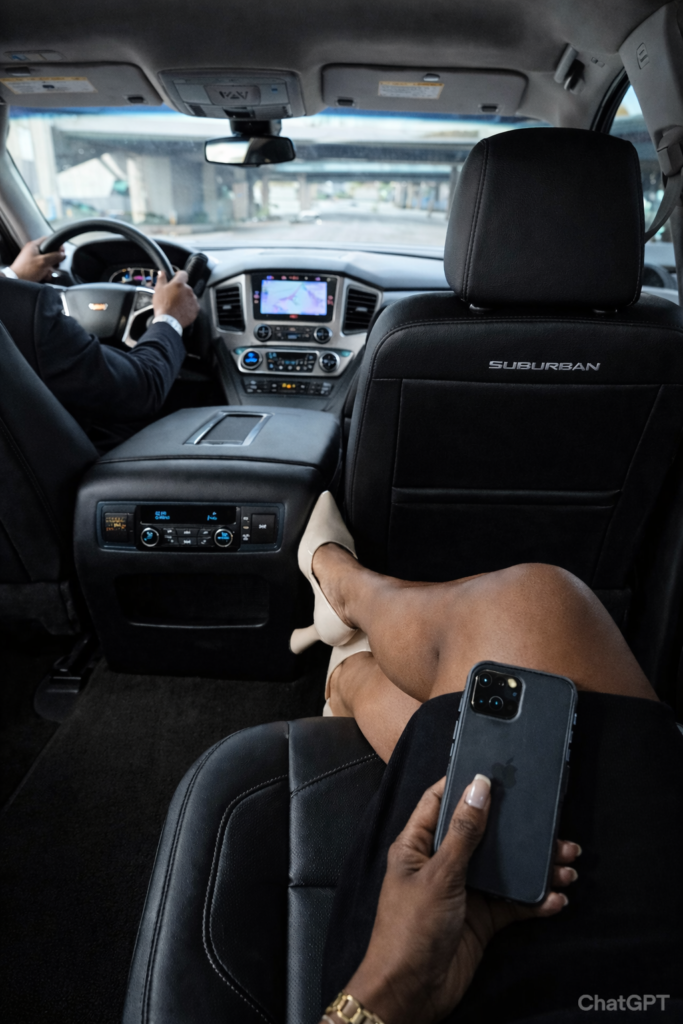
Getting to the airport is its own logistical challenge, and it’s one that affects how composed you arrive and how the rest of your travel day unfolds. Driving yourself to PHL means navigating departure terminal traffic, finding economy lot parking, shuttling with your bags, and adding that time to an already tight schedule. Rideshare options are unpredictable during peak travel periods, and surge pricing on busy travel days can be significant.
For travelers who’ve taken care to pack efficiently and plan ahead, arriving by private car service is the natural extension of that preparation. Delux Limousines provides professional airport transfers throughout the Greater Philadelphia area from Center City, the Main Line, South Jersey, Delaware, and surrounding communities. Your luggage is handled, your pickup is confirmed, and the logistics of getting to the terminal are taken off your plate before your trip begins.
Explore available services at dltsl.com/services.
Packing Light Is a Skill Worth Developing
None of these tips require expensive gear or extensive preparation. They require a shift in how you approach the packing process — from reactive to deliberate. A written list. An edited selection. A clear understanding of how to fill your bag efficiently from bottom to top.
Travelers who pack smart arrive calmer, move faster through airports, avoid unnecessary fees, and return home without the physical and mental weight of a trip that felt heavier than it needed to be. That quality of experience extends from the moment you zip your bag to the moment your car service drops you at the departures curb.
It all starts before you reach the airport. Make the preparation count.
Traveling soon from the Philadelphia area?
Arrange your airport transfer with Delux Limousines for a reliable, professional start to your journey.
Get in touch at dltsl.com/contact-us
Connect with us on Facebook or read traveler reviews on Yelp.
Call: 610-871-8784
WhatsApp: 267-988-3392
Email: reservations@dltsl.com