Good Planning Doesn’t Guarantee a Good Trip. Poor Planning Almost Guarantees a Bad One.
Most travel problems are predictable. Not in the sense that you can see them coming in the moment, but in the sense that experienced travelers recognize the categories of mistakes that show up again and again, regardless of destination, budget, or experience level.
The traveler who books a 7:00 AM international flight without considering how they’ll get to the airport at 4:30 in the morning. The couple who spent three months planning their itinerary and left travel insurance as a “I’ll deal with that later” item. The family who packed for every possible scenario and showed up with four bags that cost more to check than the airfare savings they found last November.
These aren’t unusual situations. They’re the norm for travelers who haven’t internalized the specific categories where planning breaks down. This article covers four of the most consequential travel mistakes, explains why each one causes problems, and offers the practical fix for each.

Mistake 1: Leaving Airport Transportation Until the Last Minute
Of all the travel mistakes that routinely derail otherwise well-planned trips, this one is the most preventable and the most common.
Here’s how it typically unfolds. The flights are booked, the hotel is confirmed, the restaurant reservation is made. The transportation question, specifically how to get from the airport to the hotel and back, is left as something to figure out closer to the date, or on arrival.
For a leisure traveler arriving at a small regional airport on a Tuesday afternoon in low season, this approach is fine. For almost any other situation, it creates unnecessary risk.
Why it matters at major airports
At high-volume airports, particularly Philadelphia International (PHL), JFK, Newark Liberty, and LaGuardia, the ground transportation situation on arrival is shaped by forces the traveler can’t control: how many flights landed in the same 30-minute window, whether a convention just ended nearby, what the weather was doing while you were in the air.
Ride-share apps during these moments reflect demand pricing. A ride that costs $35 on a quiet Wednesday afternoon can cost $75 or more on a Friday evening after three delayed flights land simultaneously and every arriving passenger opens the same app at the same time.
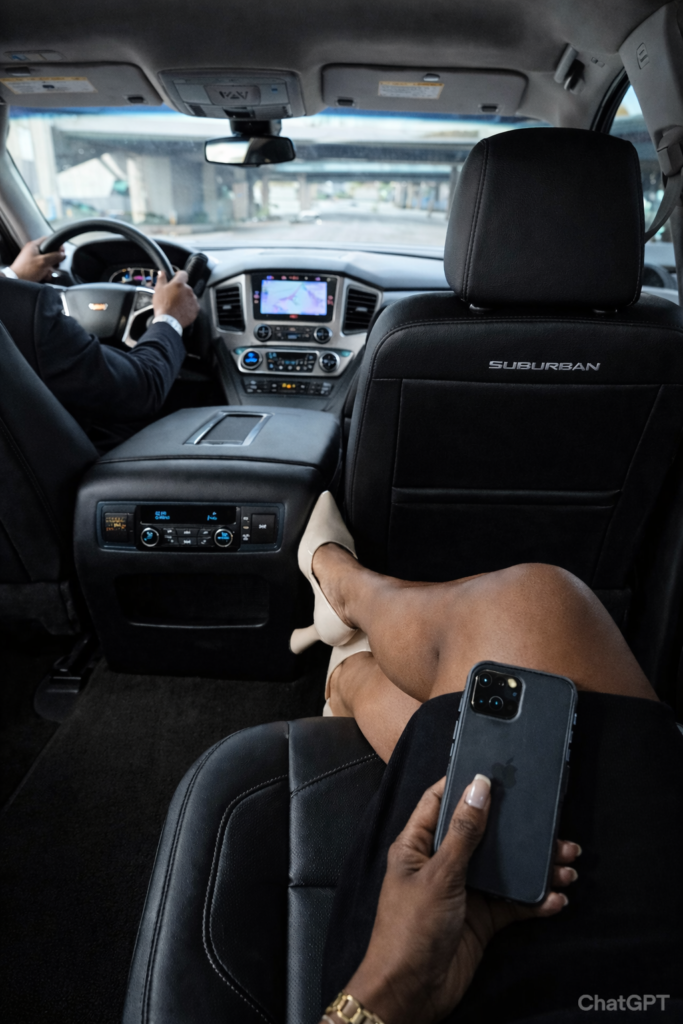
Pre-booked airport car service eliminates this variable. The rate is confirmed before travel. The driver monitors the flight and adjusts for delays. The vehicle is staged and waiting when you exit baggage claim.
For Philadelphia-area travelers specifically
Travelers departing from PHL on early morning international flights face a specific version of this problem. A 7:00 AM transatlantic departure requires airport arrival by 4:30 to 5:00 AM. Ride-share availability at 4:00 in the morning is genuinely thin. Driver cancellations at that hour carry real consequences.
The fix is not complicated: book ground transportation at the same time you book the flight. Treat it as a confirmed element of the trip rather than a logistics detail to handle later.
Delux Limousines provides airport car service for PHL departures and arrivals, as well as transfers to and from Newark Liberty, JFK, and other regional airports. Pre-booking through dltsl.com/contact-us takes a few minutes and removes the most avoidable source of travel-day stress.
Mistake 2: Traveling Without Adequate Travel Insurance (or Any at All)
This is the mistake that feels theoretical until it isn’t. Most travelers who skip travel insurance do so because they’ve never had a trip go wrong in a way that insurance would have covered. That reasoning holds until the one time it doesn’t.
Travel insurance is not a luxury purchase. It’s risk management for an activity that involves significant financial commitment and a wide range of things that can go wrong: medical emergencies abroad, flight cancellations that cascade into missed hotel nights, lost or delayed baggage, natural events that close destinations during your stay, and family emergencies that require trip interruption.
What most people don’t understand about travel insurance
The medical coverage component is often the most valuable part, and the part most travelers underestimate. Health insurance policies in the United States typically have very limited or no coverage for medical treatment outside the country. A hospitalization in Europe, a medical evacuation from a remote location, or even an extended urgent care visit in a destination without a reciprocal health agreement can cost tens of thousands of dollars without coverage.
For domestic travel, trip cancellation and interruption coverage matters most. If a family emergency requires you to cut a trip short, a good travel insurance policy covers the non-refundable expenses already paid.
What to actually look for
Coverage that includes medical evacuation and repatriation (not just treatment costs), trip cancellation for a broad list of covered reasons, baggage delay and loss protection, and 24-hour emergency assistance contact are the core components. “Cancel for any reason” policies cost more but provide flexibility that standard policies don’t.
The timing rule: purchase travel insurance close to when you book the trip, not when you’re packing for it. Many policies include pre-existing medical condition coverage only if purchased within a specific window (typically 10 to 21 days) of the initial trip deposit.
The practical fix
Price travel insurance at the same time you book your flights and accommodation. For a trip costing $3,000 to $5,000, a comprehensive policy typically runs $150 to $300, or roughly 5 to 7 percent of the trip cost. That’s the risk transfer cost for the worst-case scenarios that make the other mistakes on this list feel minor.
Mistake 3: Under-Researching the Destination Before You Go
There’s a version of travel research that looks thorough but misses what actually matters. Booking a hotel based on its review score, reading the top ten restaurant list in a general guide, and scanning a city’s Wikipedia page doesn’t constitute preparation.
The research gap that creates real problems on arrival involves operational details: how transportation actually works within the destination, what the customs and expectations are in specific neighborhoods and venues, what the seasonal weather patterns mean for the specific dates of the trip, and what major events or holidays during the travel window will affect everything from restaurant availability to local traffic.
Where this plays out in Philadelphia trips
For out-of-town visitors coming to Philadelphia, the research mistake shows up in a few specific ways.
Visitors who don’t check the sports schedule discover that the parking and traffic situation around Center City changes significantly when the Phillies are playing at Citizens Bank Park, or when an Eagles home game runs through the weekend. The bars on the routes between the stadiums and Center City fill before most visitors realize the game is happening at all.
Visitors who don’t check the event calendar at the Pennsylvania Convention Center miss the fact that a major conference has occupied most of the city’s hotel inventory for the weekend they’re trying to book, pushing available rooms to neighborhoods further from their intended destinations or into price ranges that weren’t expected.
The deeper version of this mistake
For international travel, the research gap is more consequential. Local customs around dress, behavior at religious sites, tipping etiquette, photography restrictions, and the appropriate level of interaction in different settings are the kinds of details that cause significant discomfort, offense, or in some cases legal issues, when ignored.
Major religious or national observances in a destination can close restaurants, restrict alcohol service, affect transportation schedules, and change the character of public spaces in ways that dramatically alter the trip experience. Ramadan in parts of the Middle East and North Africa, Holy Week in southern European cities, and national holidays in Asian countries are examples where travelers who haven’t researched the calendar arrive to a very different situation than they expected.
The practical fix
One hour of focused research on the operational realities of the destination, not the “top experiences” lists, pays dividends throughout the trip. Specifically: how does local transportation actually work? What’s the etiquette in the places you’re visiting? What events or seasons are happening during your dates? What are the neighborhood-level dynamics that don’t appear in general guides?
Local travel blogs, city-specific forums like Reddit’s r/travel and city-specific subreddits, and destination tourism boards provide this level of detail more reliably than general travel publications.
Mistake 4: Assuming Your Documents, Cards, and Digital Access Are Ready When They’re Not
This category covers a cluster of related oversights that share a common characteristic: they’re easy to check in advance and catastrophic to discover at the airport.
The passport problem
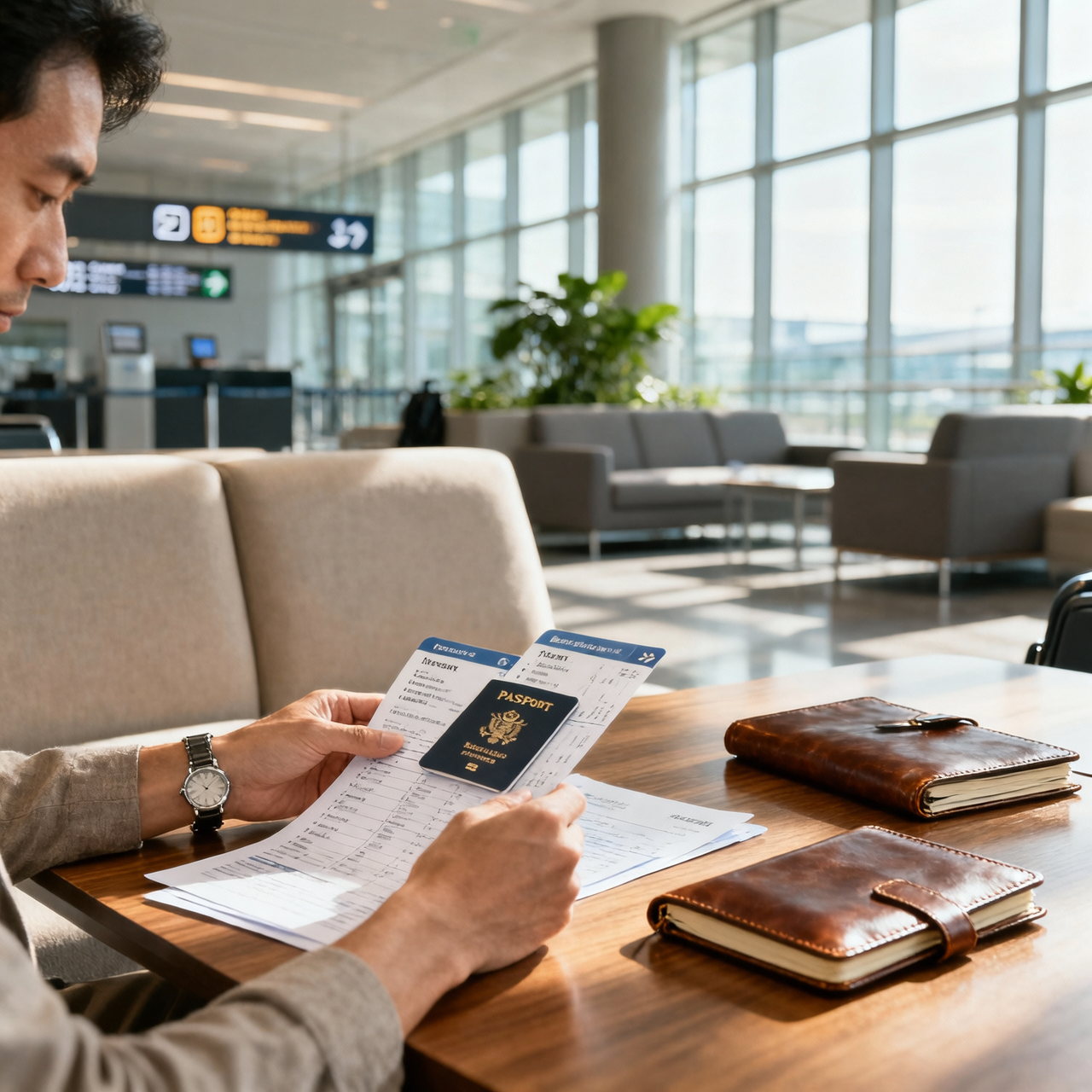
Passport expiration is the most common issue, but it’s not the only one. Many countries require a passport to be valid for six months beyond the travel dates. A passport that expires two months after your return flight is technically valid at the time of travel but may be rejected at the destination’s immigration checkpoint. This is a documented issue that surprises travelers who assume expiration at the trip’s end is sufficient.
The number of blank pages in the passport matters too. Some countries require one or two blank pages for entry stamps or visa stamps. Running out of pages before the trip is less common with larger-format passports but still occurs for frequent international travelers.
Visa requirements change. What was visa-free for U.S. citizens two years ago may have changed, particularly in the context of reciprocal visa policies between countries. Checking the U.S. State Department’s travel website for current requirements for your specific destination, as close to the booking date as possible, is the reliable approach.
Payment and financial access
Keeping all cash and cards in one place is a security and practical mistake. If that wallet or bag is lost, stolen, or left in the hotel room while you’re out, the trip’s financial infrastructure collapses simultaneously.
The minimum setup: two separate cards (different networks if possible, one Visa and one Mastercard), a small amount of local currency for situations where cards aren’t accepted, and a record of the bank’s international contact number stored somewhere other than the wallet being relied on.
Foreign transaction fees are a recurring cost that many travelers don’t notice until the credit card statement arrives. Cards specifically designed for travel, including several widely available options from Capital One, Charles Schwab, and Fidelity, charge no foreign transaction fees and sometimes reimburse ATM fees internationally.
Digital access considerations
The phone that works perfectly at home may not work abroad on the same plan. Confirming international coverage, data availability, and costs before departure avoids the moment of landing in a foreign country with a phone that won’t connect to anything.
Digital security while traveling is a separate concern. Public Wi-Fi in hotels, airports, and cafes is used by travelers for banking, work communications, and credential entry without a second thought. A VPN subscription, which costs $3 to $10 per month from reputable providers, significantly reduces the risk of credential capture on unsecured networks.
The practical fix
Three weeks before any trip, run through this checklist:
- Passport validity and remaining blank pages
- Visa requirements for the specific destination on the specific dates
- Cards active and notified of travel dates
- Cash backup in a separate location from the primary wallet
- Phone plan confirmed for international use
- Important documents (insurance, hotel bookings, emergency contacts) in both digital and physical backup form
Three weeks provides enough time to renew a passport through expedited processing if needed, apply for a visa, and address any financial account issues without the deadline pressure that a 48-hour window before departure creates.
How These Mistakes Connect
The four mistakes covered here share an underlying pattern: they involve decisions that are deferred rather than made at the right time.
Airport transportation is deferred because the trip still feels far away when the flight is booked. Travel insurance is deferred because it feels like a problem for a hypothetical trip that goes wrong. Destination research is deferred because looking at Instagram photos of the destination feels like preparation. Document and financial checks are deferred because they’ve always been fine before.
The practical insight is simple: attach each of these decisions to the booking moment rather than treating them as separate tasks. When you book the flight, book the airport transfer. When you book the accommodation, price the travel insurance. At the same time, spend an hour on operational research. And three weeks before departure, run the document and financial checklist.
None of this requires significant time or effort. What it requires is the habit of addressing these items when there’s still time to address them properly.
For Philadelphia-Area Travelers: Starting the Trip Right
For travelers departing from the Philadelphia region, getting to the airport well and arriving back without friction is the frame that the rest of the trip sits within. A stressful departure morning or a 40-minute ride-share wait at midnight on a return affects the trip in each direction.
Delux Limousines provides professional airport car service for departures and arrivals at PHL, EWR, JFK, and regional airports. Pre-confirmed vehicles, flight monitoring, and fixed pricing remove the last-minute logistics that represent the first mistake on this list. For travelers who have already addressed insurance, research, and documents, having ground transportation confirmed is the final piece that lets the trip start and end cleanly.
Service details are at dltsl.com/services. Client reviews are available on Yelp.
The four mistakes covered here won’t be the last to appear on a list like this, but they represent the categories where good trips most consistently go wrong. Each has a straightforward fix. The key is addressing them at the right time, which is before they become problems rather than after.
Call: 610-871-8784
WhatsApp: 267-988-3392
Email: reservations@dltsl.com