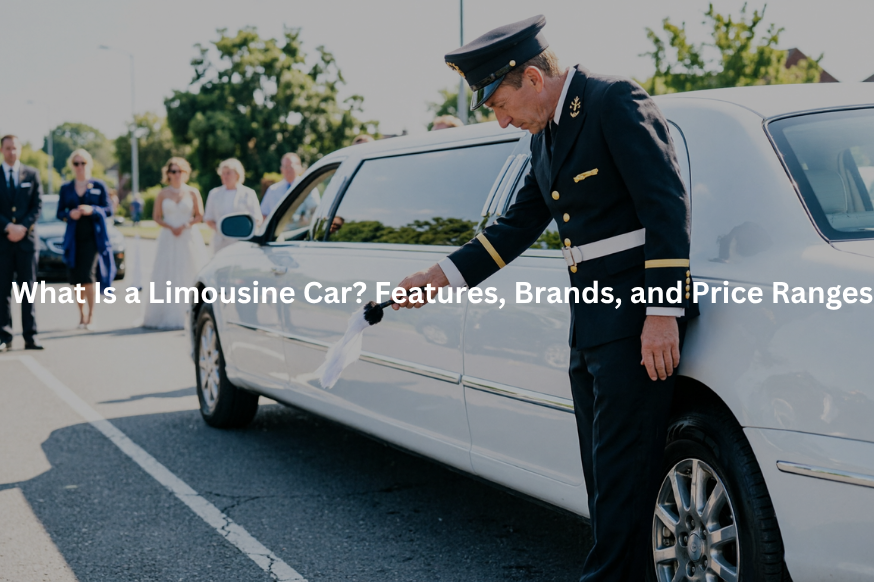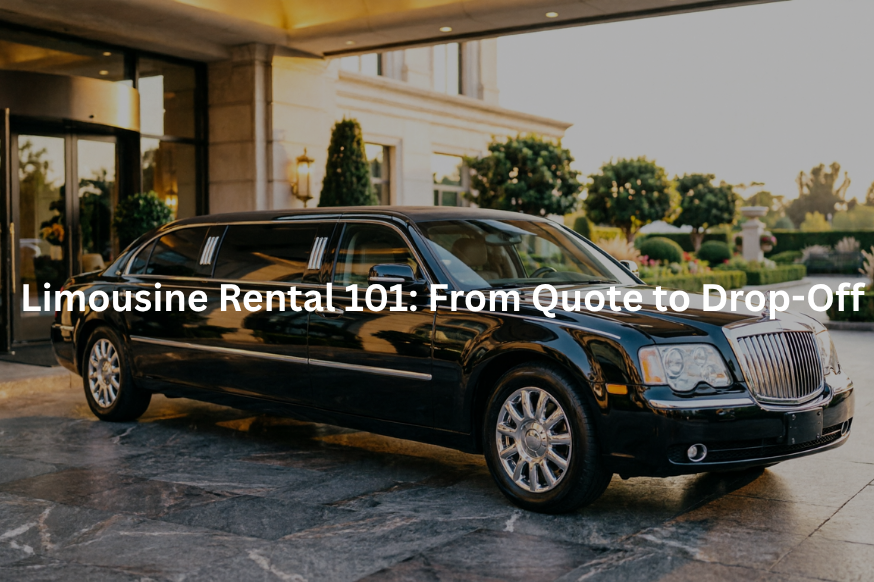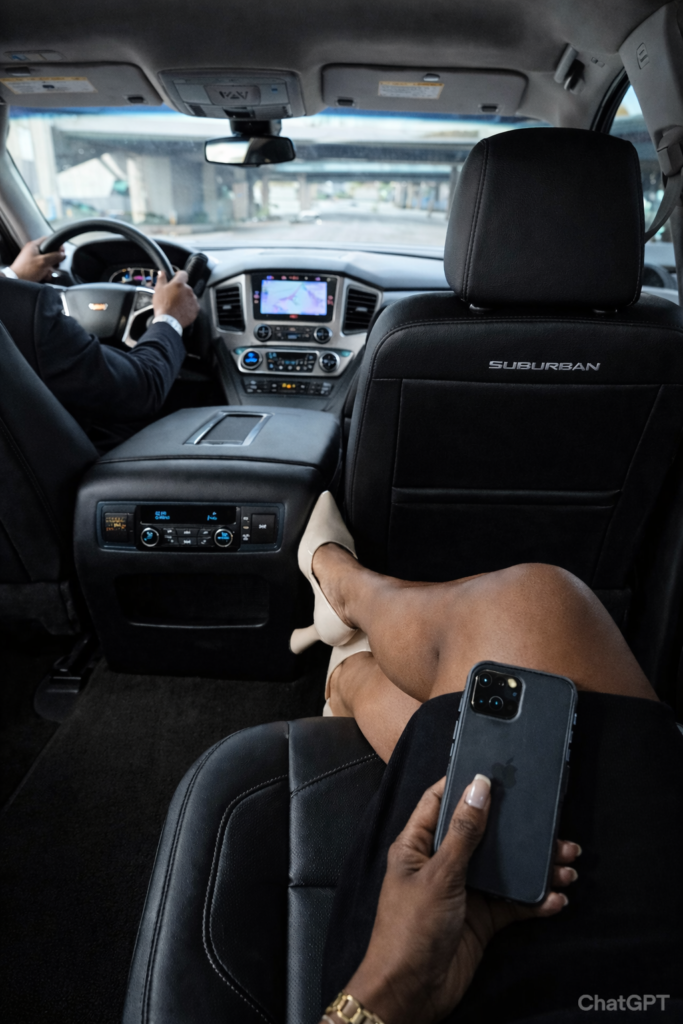
Your client slides into the backseat of the black Mercedes S-Class. No greeting required. No small talk expected. Just the quiet understanding that the next 90 minutes belong entirely to them, protected from the chaos of Super Bowl weekend by a professional who knows exactly when to speak and when silence serves better.
This scenario plays out hundreds of times during major sporting events. The difference between acceptable service and the premium discretion that high-profile clients demand comes down to training that most chauffeur companies never provide. Super Bowl LX chauffeurs serving celebrities, executives, and VIP guests require skills that extend far beyond safe driving and route knowledge.
Celebrity handlers, agent assistants, and VIP security teams understand this distinction instinctively. They’ve witnessed the damage caused by chauffeurs who lack proper training in discretion protocols. One leaked photo. One overheard phone conversation shared with friends. One autograph request at the wrong moment. These breaches destroy trust and create security vulnerabilities that take years to rebuild.
Professional luxury transportation for high-profile clients demands a specific skill set that combines technical competence with social intelligence and absolute discretion. This guide reveals the four elite training secrets that separate amateur drivers from Super Bowl LX chauffeurs trusted with the industry’s most demanding assignments.
1: The Art of Being Discreet
The best chauffeur is the one clients barely notice. Not because the service lacks quality, but because it flows so naturally that nothing draws attention to itself.
Training for invisible presence begins with understanding fundamental psychology. High-profile individuals spend their entire public lives being observed, photographed, and scrutinized. The vehicle represents one of the few spaces where they can lower their guard. A chauffeur who disrupts that sanctuary through inappropriate engagement or visible presence creates stress rather than relief.
Mastering the Greeting Protocol
First impressions establish the entire service dynamic. Professional chauffeurs learn graduated greeting protocols based on client type and context.
Corporate executives: A professional nod and “Good morning, Mr. Johnson” followed by immediate focus on door service and luggage handling. No questions about their day or commentary about weather. Executives value efficiency over friendliness.
Entertainment industry clients: Even more minimal. Eye contact, slight nod, door service. Many prefer zero verbal interaction during pickup. The chauffeur’s job involves creating a bubble of privacy, not filling silence with conversation.
Family groups: Slightly warmer approach with attention to safety and comfort. “Good afternoon. Please watch your step” while assisting with door access. Brief confirmation of destination. Focus shifts to ensuring children seat safely and adults settle comfortably.
The training emphasizes reading cues. If a client makes eye contact and initiates conversation, the chauffeur responds appropriately but never extends dialogue beyond what the client drives. If a client avoids eye contact while entering the vehicle, that signals preference for minimal interaction.
This calibration requires practice. Role-playing exercises simulate different client types and scenarios. Trainees learn to recognize subtle signals: the client who collapses into the seat exhausted wants silence. The one who immediately opens their laptop needs smooth driving that won’t interrupt work. The person making phone calls requires the privacy partition raised without being asked.
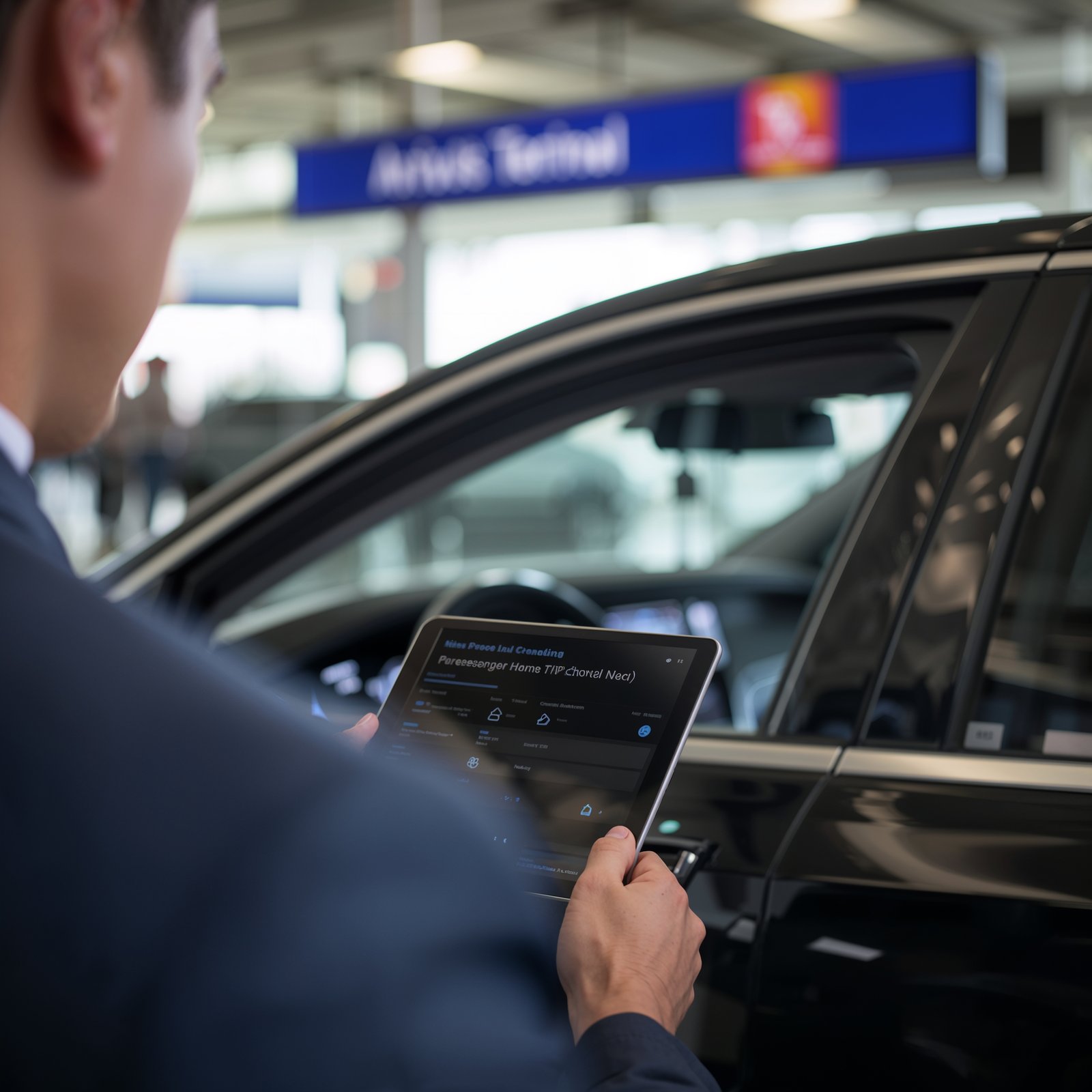
Physical Positioning and Spatial Awareness
Where a chauffeur stands, how they move, and what they look at all communicate professionalism or lack thereof.
Training covers specific positioning protocols:
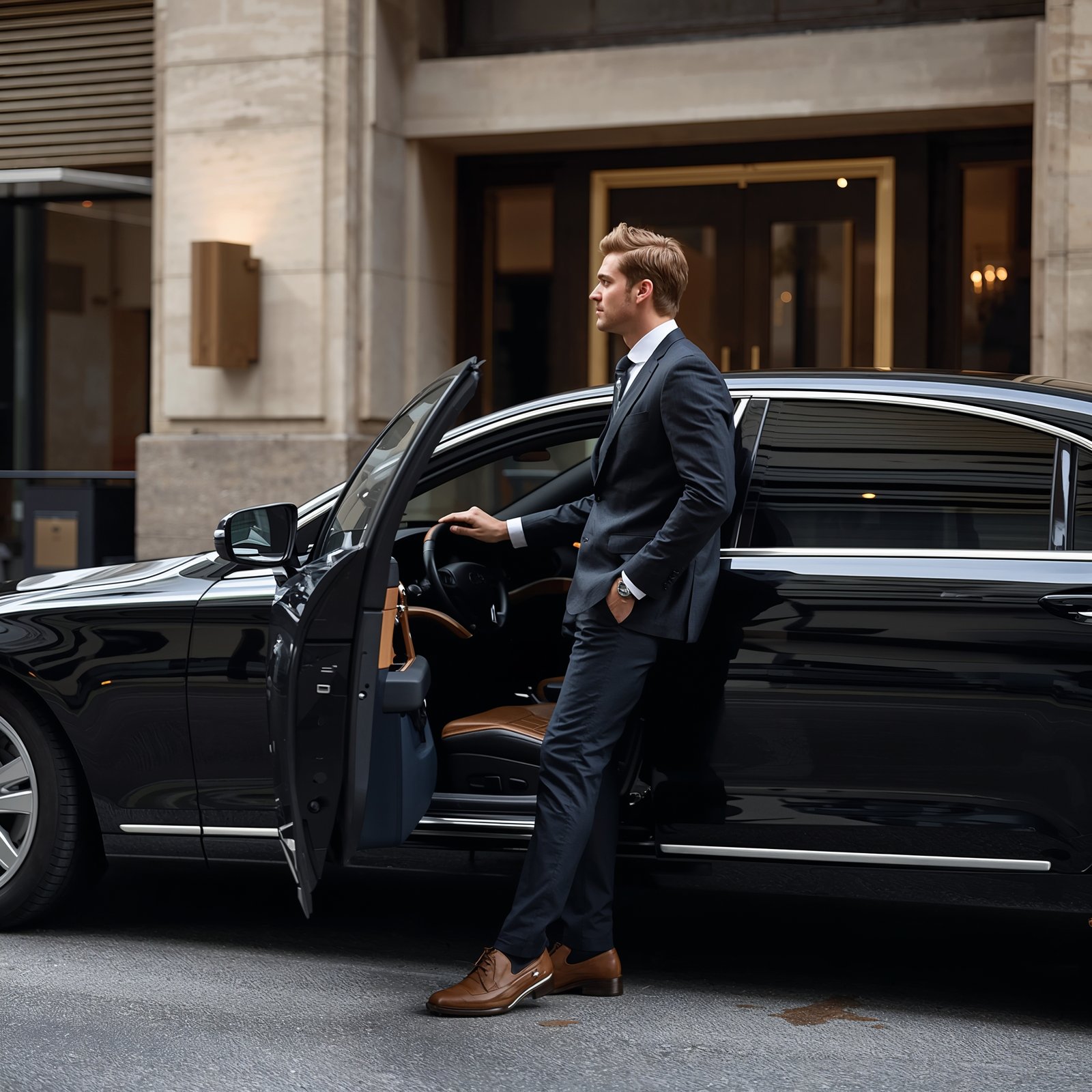
At pickup locations: Stand beside the rear passenger door, not in front of the vehicle where clients must navigate around you. Position allows immediate door service when clients approach without blocking their path.
During stops: Remain with the vehicle unless specifically asked to assist with something else. The chauffeur who follows clients into restaurants or venues crosses professional boundaries. Exceptions exist for security-conscious situations, but only when explicitly requested.
At destinations: Complete door service, then step back to a position where clients can exit the area without feeling watched. The goal involves being available if needed while respecting the client’s desire to transition away from the service moment.
Spatial awareness extends to vehicle interior management. Before clients enter, everything must be perfect: climate control set appropriately, reading lights functional, privacy partition positioned correctly, water bottles placed but not obtrusive. The client should slide into an environment that requires zero adjustment.
Bay Area Super Bowl chauffeurs receive additional training on high-density event environments where spatial awareness becomes critical. Navigating crowded hotel driveways, congested stadium drop-off zones, and packed restaurant entrances demands skills that standard driving instruction never covers.
Secret 2: Advanced Discretion and Privacy Protocols
What happens in the vehicle stays in the vehicle. This principle isn’t just professional courtesy. It’s the foundational requirement for serving high-profile clients.
Non-Disclosure as Default Operating Mode
Super Bowl LX chauffeurs working VIP assignments sign comprehensive non-disclosure agreements before receiving assignments. However, the training extends far beyond legal documents into practical application of discretion principles.
Zero discussion of clients: Never mention who was transported, where they went, or what they did. Not to friends, family, other drivers, or on social media. The temptation to share interesting stories gets addressed directly in training through examples of careers destroyed by breaches.
No photography: Personal phones stay in pockets. No photos of clients, even from distance. No photos of interesting vehicles parked near assignments. No social media posts about locations that might reveal client movements.
Overheard conversations forgotten: Clients frequently conduct business, personal calls, or sensitive discussions in vehicles. Professional chauffeurs develop selective memory where those conversations simply don’t register. If asked in depositions or investigations what clients discussed, the only acceptable answer is “I don’t recall any specific conversations.”
Training includes specific scenarios that test discretion instincts:
A reporter approaches after dropping a celebrity at a restaurant, asking where the client is dining. Correct response: “I’m not able to discuss client information.” Nothing more. Any elaboration creates openings for follow-up questions.
A friend texts asking if rumors about a particular executive’s attendance at the Super Bowl are true. Correct response: Ignore the message entirely or respond with “Can’t discuss client information” without confirming or denying anything.
Another driver asks casual questions about high-profile assignments. Correct response: Change the subject or exit the conversation. Even fellow professionals don’t get information.
Device and Communication Security
Modern discretion extends beyond personal conduct into technology management.
Luxury SUV chauffeurs Super Bowl 2026 assignments receive training on:
Phone security: Lock screens, encrypted messaging, secure passwords. Phones left unattended (even briefly) represent vulnerability if they contain client information, schedules, or communication.
Vehicle technology: Understanding what data vehicle systems collect and ensuring they’re not configured to sync with personal devices or cloud services that might create security vulnerabilities.
Communication protocols: Client communications happen through secure company systems, not personal numbers. This separation protects both parties and ensures that even if a chauffeur’s personal phone is compromised, client information remains secure.
The training addresses a challenge unique to high-profile transportation: clients who ask chauffeurs to take photos or videos for them. Professional protocols require politely declining unless absolutely necessary, and if necessary, using the client’s device rather than the chauffeur’s phone to avoid any perception of retaining images.
What qualifications do Super Bowl LX chauffeurs have? Beyond driving credentials, elite operators complete specialized training in privacy law, personal security awareness, and high-profile client service. These qualifications distinguish professional services from basic transportation providers.
| Discretion Area | Required Action | Prohibited Behavior |
|---|---|---|
| Client identity | Never disclose | No names, no hints |
| Conversations | Selective amnesia | Never repeat content |
| Photos | Zero personal pics | Even of vehicles |
Secret 3: Situational Awareness and Protective Intelligence
The chauffeur’s responsibility extends beyond driving to active awareness of the environment and potential security concerns.
Threat Detection and Response Protocols
VIP Super Bowl chauffeurs receive training in basic protective intelligence, not because they serve as security personnel, but because they often represent the first line of awareness in fluid situations.
Training covers:
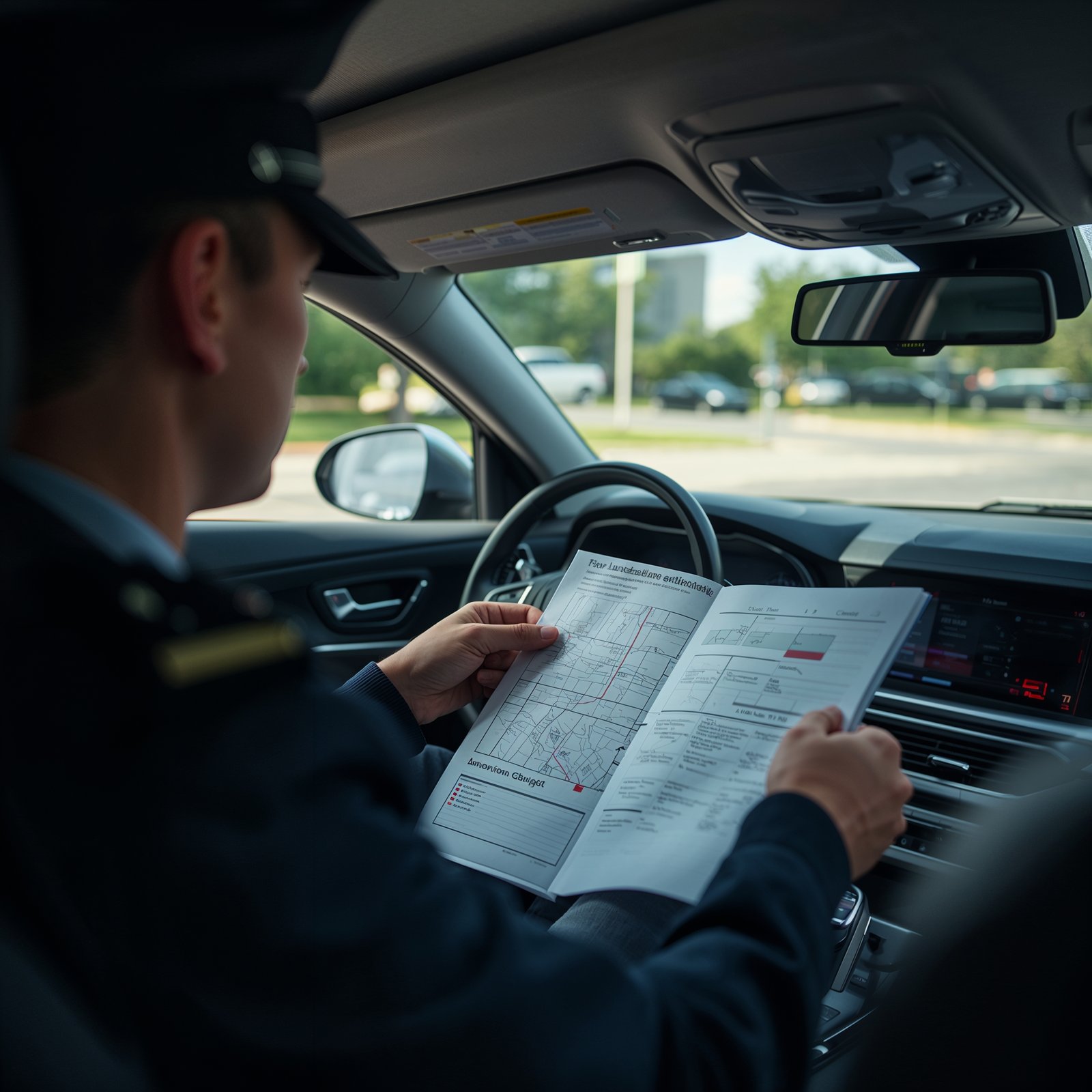
Pre-trip reconnaissance: Driving routes before actual service to identify potential issues. Construction, protests, or unusual activity near pickup/destination points get noted and reported to clients or their security teams.
Surveillance detection: Basic awareness of vehicles that appear to follow the same route, individuals who show unusual interest at stops, or patterns that suggest coordinated observation. Professional chauffeurs don’t confront suspected surveillance but report observations to appropriate contacts.
Emergency response: Clear protocols for various scenarios: medical emergencies, security threats, natural disasters, or major accidents affecting routes. The training emphasizes that the chauffeur’s role involves getting clients to safety and contacting appropriate responders, not attempting heroic interventions.
Communication with security teams: Many high-profile clients travel with security details. Chauffeurs learn proper interaction protocols: take direction from lead security, provide route information when requested, maintain separation between transportation and security functions.
Are Super Bowl LX chauffeurs familiar with Levi’s Stadium access? Comprehensive training includes detailed knowledge of venue layouts, security protocols, access points, and emergency procedures. This preparation enables chauffeurs to navigate complex situations while maintaining client safety and comfort.
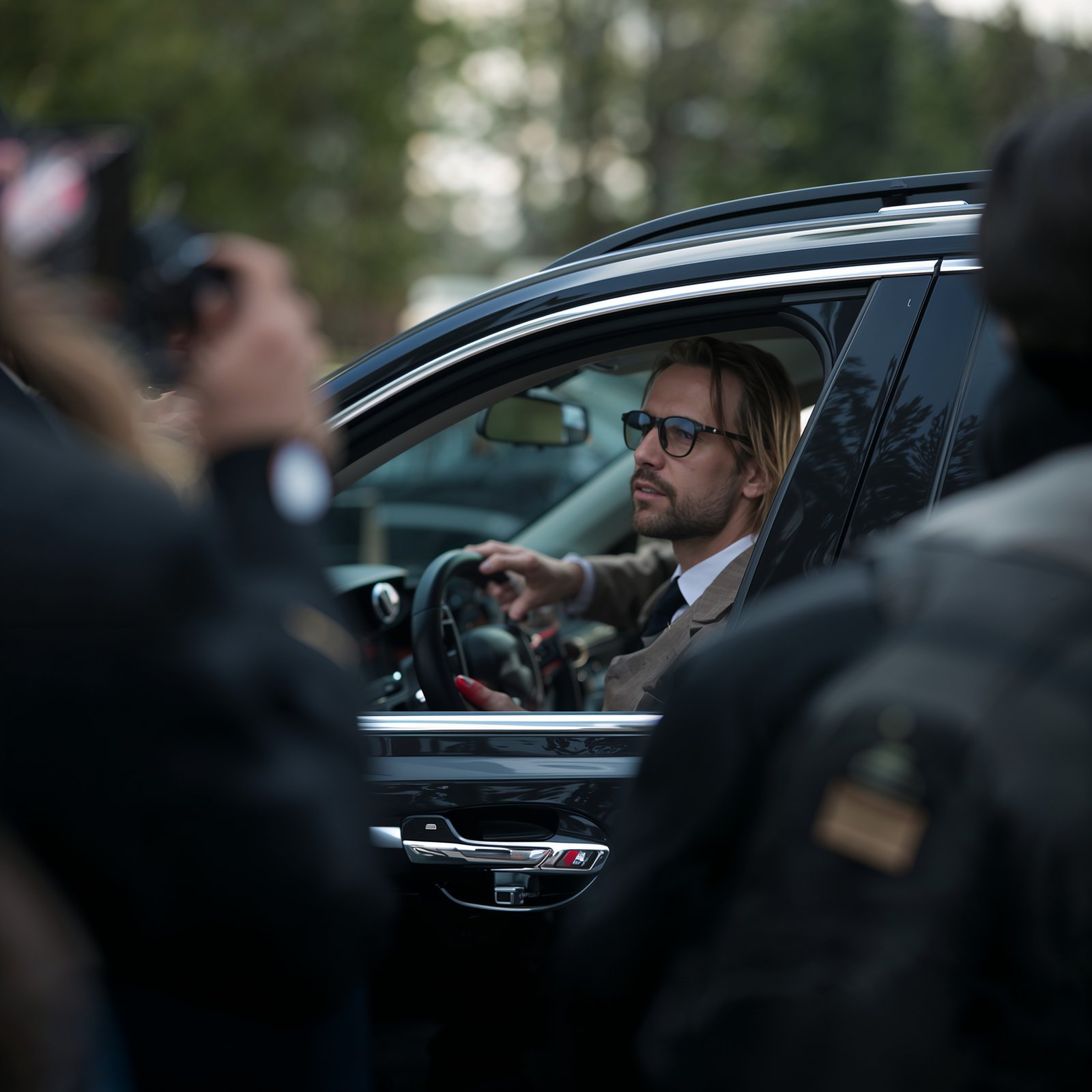
The situational awareness extends to recognizing when clients face unwanted attention. Paparazzi, aggressive fans, or simply curious onlookers create situations where the chauffeur’s positioning and timing become critical. Quick door service, strategic vehicle positioning to block camera angles, and smooth departures that minimize exposure all stem from training that addresses these specific scenarios.
Reading Social Dynamics and Adapting Service
Beyond physical security, elite Super Bowl LX chauffeurs learn to read social situations and adjust service accordingly.
Training scenarios include:
Client stress levels: Recognizing when clients are dealing with difficult situations and adjusting service to minimize additional friction. Smoother driving, quieter environment, anticipating needs before they’re voiced.
Group dynamics: Understanding when clients traveling together want privacy for discussions versus when they’re comfortable with normal service interactions. Raising privacy partitions proactively when conversation tone suggests sensitive topics.
Time sensitivity: Detecting urgency in client behavior and adjusting pace without compromising safety. The difference between “I need to be there by 2 PM” and “I absolutely cannot be late under any circumstances” requires different response levels.
Cultural awareness: High-profile clients come from diverse backgrounds with different expectations about personal space, interaction styles, and service preferences. Training includes cultural competency that prevents awkward situations stemming from misunderstanding.
This social intelligence distinguishes corporate Super Bowl LX chauffeur service providers who handle demanding clients successfully from those who create friction through tone-deaf interactions.
Secret 4: Technical Excellence and Contingency Mastery
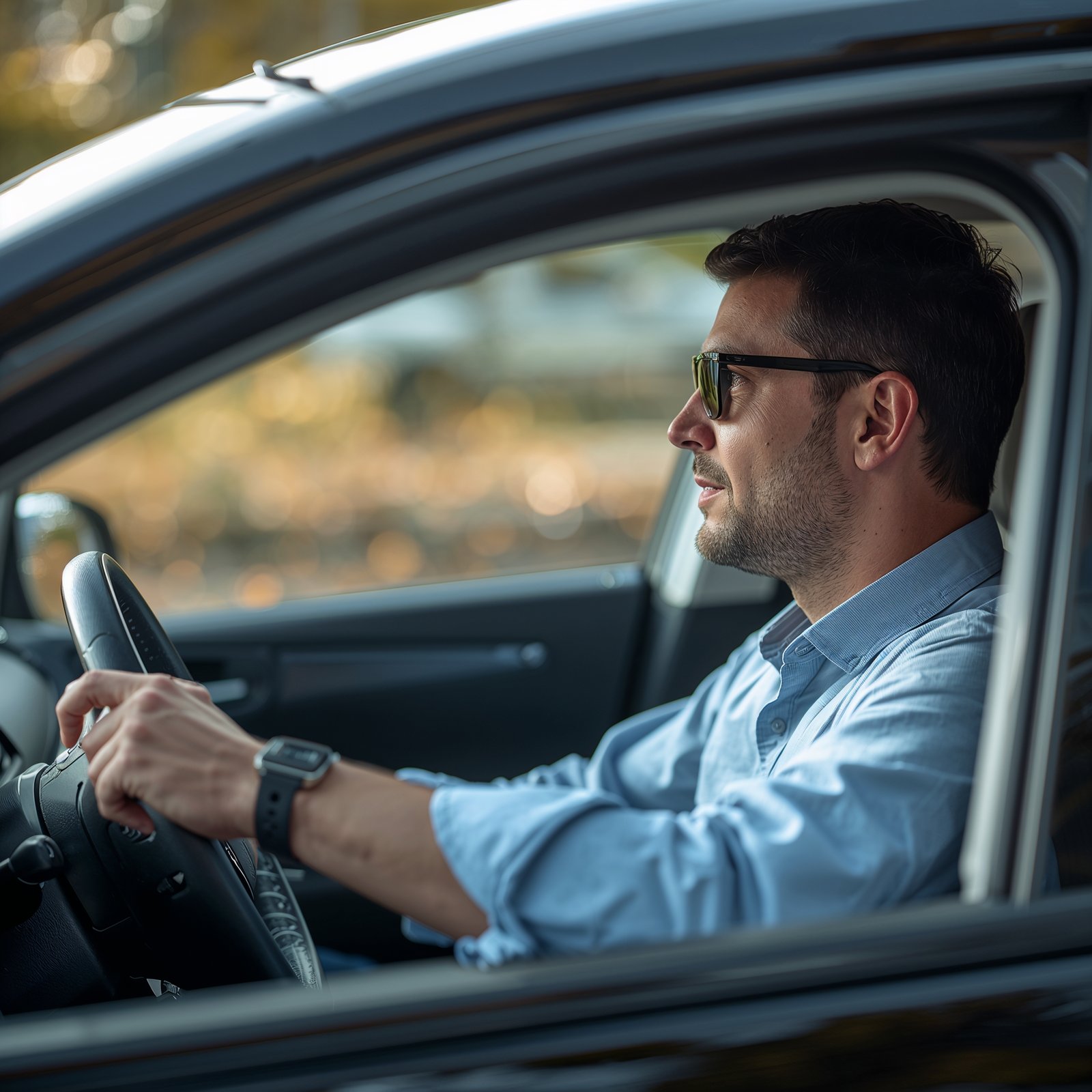
Discretion and awareness mean nothing if the chauffeur can’t execute the fundamental transportation mission flawlessly.
Advanced Driving Skills Beyond Standard Requirements
What vehicles do Super Bowl LX chauffeurs typically drive? The fleet includes Mercedes S-Class sedans, Cadillac Escalades, BMW 7-Series, and luxury sprinter vans. Each vehicle requires specific handling skills, especially under challenging conditions.
Training progresses through multiple levels:
Standard operation: Perfect execution of basic driving techniques. Smooth acceleration, gentle braking, seamless lane changes. The client in the backseat should never feel jerked, jostled, or rushed.
Adverse conditions: Wet weather, heavy traffic, poorly maintained roads. Bay Area winters bring rain that affects handling. Super Bowl weekend brings congestion that demands patience and precise maneuvering.
Defensive driving: Anticipating problems before they develop. Maintaining safe following distances even when other drivers crowd aggressively. Positioning in traffic to maximize exit options if situations develop.
Executive protection driving: Basic techniques for creating separation from potential threats, identifying and avoiding ambush points, and maintaining control during unexpected situations.
The advanced training addresses scenarios specific to high-profile transportation:
Paparazzi situations: Departing locations where photographers crowd the vehicle requires specific techniques that protect clients without creating safety hazards or appearing aggressive.
Unplanned route changes: When clients decide mid-journey to change destinations or add stops, the chauffeur must adapt smoothly without visible stress or confusion.
Mechanical issues: Handling vehicle problems (warning lights, unusual sounds, minor malfunctions) in ways that minimize client concern while ensuring safety.
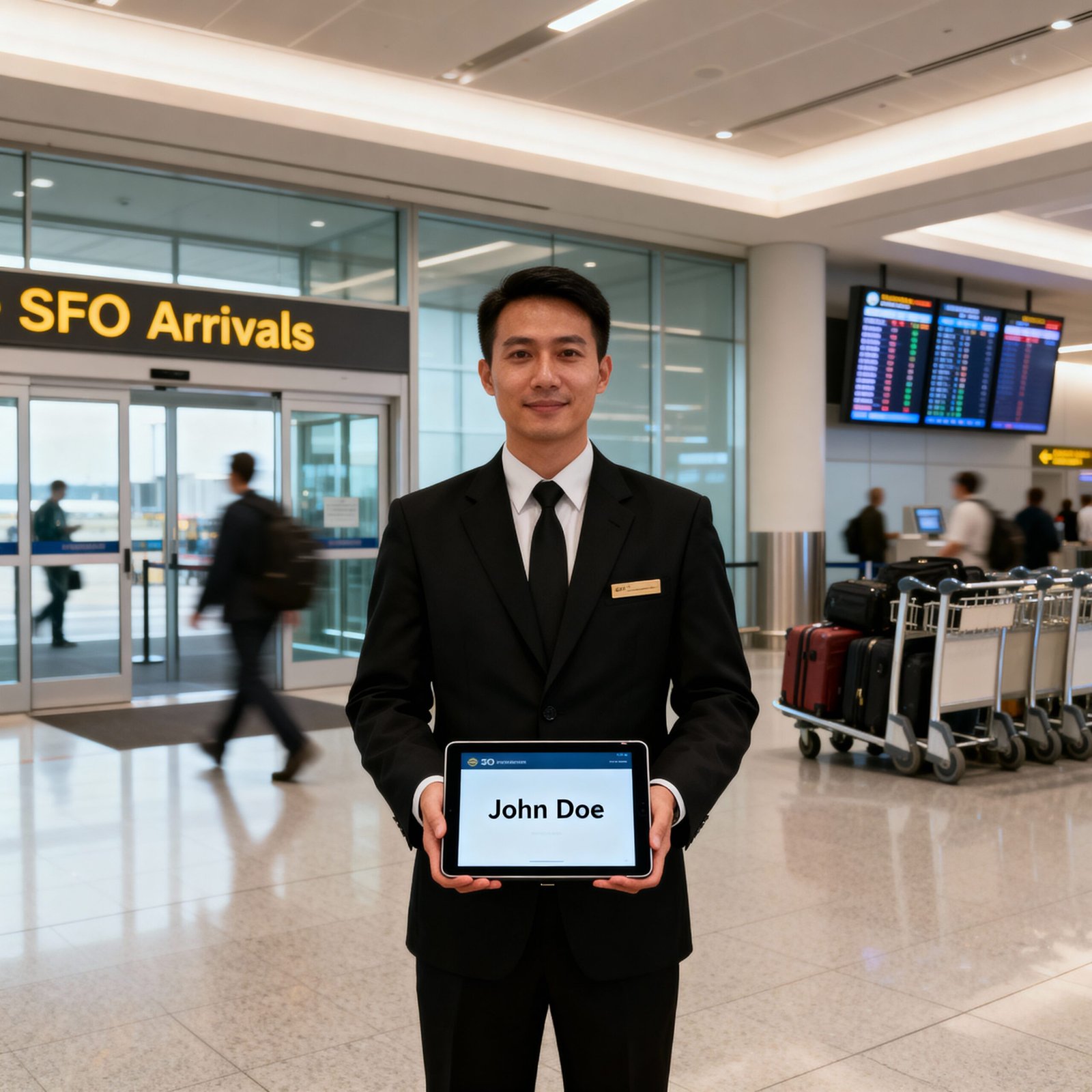
Do Super Bowl LX chauffeurs provide airport transfers? Airport operations demand specialized skills including terminal navigation, understanding of TSA and security protocols, coordination with flight schedules, and managing luggage efficiently. Professional chauffeurs Super Bowl LX Levi’s Stadium services receive specific airport operation training.
Vehicle Preparation and Maintenance Standards
Technical excellence begins before the client ever enters the vehicle.
Executive chauffeurs Super Bowl LX suites assignments follow rigorous pre-service vehicle preparation protocols:
Exterior inspection: Complete walk-around checking for damage, tire pressure, fluid levels, and overall cleanliness. The vehicle must be spotless, not just clean. Hand washing and detailing before every VIP assignment, not just weekly service.
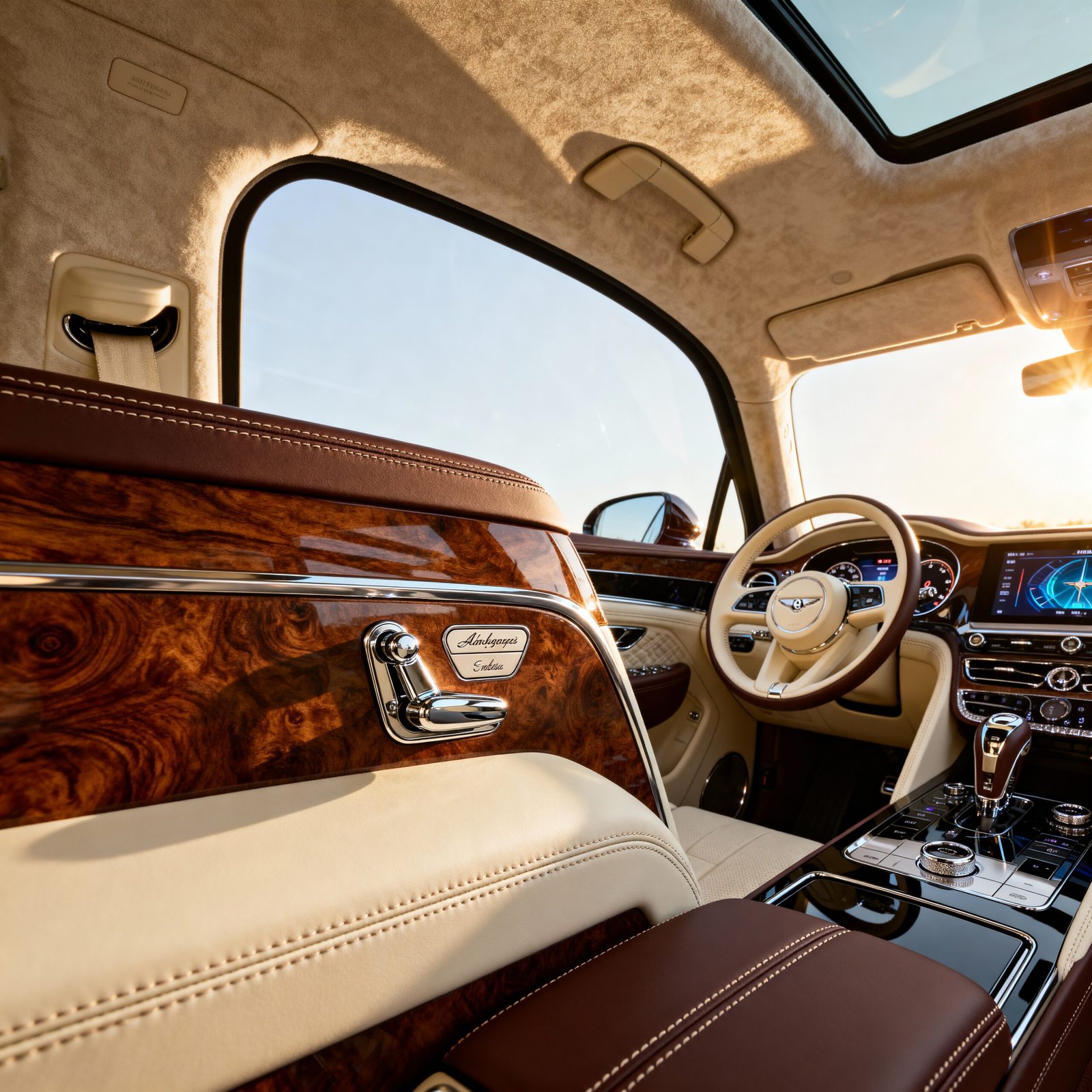
Interior preparation: Deep cleaning of all surfaces. Climate control tested and set appropriately. All amenities verified functional: reading lights, phone chargers, entertainment systems, refrigerated compartments.
Supply checks: Water bottles, tissues, hand sanitizer, charging cables all stocked and positioned correctly. Newspapers or magazines if client preferences indicate. Mints or other amenities based on profile.
Technology verification: GPS updated with latest maps and traffic data. Communication systems tested. Backup phone chargers and power banks ready.
Safety equipment: First aid kit, emergency supplies, reflective triangles, flashlight all present and accessible. Fire extinguisher charged. Spare tire and tools verified.
This preparation level ensures that when clients enter the vehicle, every detail reflects the premium service they expect. Nothing feels improvised or insufficient.
How far in advance should I book Super Bowl LX chauffeurs? Professional services recommend 60-90 days minimum for major events. This timeline allows proper assignment matching, vehicle preparation, route planning, and coordination with client security or advance teams.
Contingency Planning and Problem Solving
Elite training emphasizes that perfect plans rarely survive contact with reality. Professional Super Bowl LX chauffeurs distinguish themselves through contingency management.
Route alternatives: Every assignment includes primary and at least two alternate routes. When traffic, accidents, or closures affect the planned path, immediate pivots happen without consulting GPS or showing uncertainty.
Backup vehicles: For critical VIP assignments, backup vehicles position strategically so that mechanical issues never strand clients. If the primary vehicle develops problems, the backup arrives within minutes.
Communication redundancy: Multiple methods for staying connected with dispatch, clients, and security teams. If cellular networks fail (common during major events), satellite phones or radio systems provide alternatives.
Time buffer management: Building appropriate cushions into schedules without making clients feel rushed or delayed. The art involves appearing relaxed while actually maintaining tight timing discipline.
Crisis protocols: Clear decision trees for handling various emergencies. Medical situations trigger immediate 911 contact and diversion to nearest hospital. Security threats involve specific communication chains and safe movement procedures. Vehicle failures activate backup deployment while ensuring client comfort during transition.
Can Super Bowl LX chauffeurs handle group transportation? Super Bowl LX sprinter van chauffeurs receive specialized training in managing group dynamics, coordinating multiple pickups, and ensuring all passengers receive appropriate attention while maintaining schedule discipline.
What happens if there’s post-game traffic delays with Super Bowl LX chauffeurs? Professional training includes specific protocols for major event egress situations. Chauffeurs position vehicles strategically, maintain communication with clients about realistic timing, and execute patient extraction from congested areas without stress or frustration visible to passengers.
Integration: Where All Four Secrets Converge
The four training elements don’t function independently. They integrate into a complete professional approach where each element reinforces the others.
Invisible presence enables discretion because clients feel comfortable being themselves. Discretion builds trust that allows chauffeurs to provide better situational awareness. Situational awareness combined with technical excellence ensures smooth service regardless of circumstances. Technical excellence delivered with invisible presence creates the premium experience high-profile clients demand.
Are Super Bowl LX chauffeurs available for multi-day service? Multi-day Super Bowl LX chauffeur bookings showcase the integration of all training elements. Maintaining discretion, awareness, and technical excellence across multiple days with the same client requires consistency that only systematic training produces.
Do Super Bowl LX chauffeurs accommodate special requests like tailgates? Private chauffeurs Super Bowl LX events handle complex logistics including tailgate coordination, vendor management, and timeline synchronization. This demands the complete skill set: discretion about client plans, awareness of event dynamics, technical excellence in vehicle positioning, and invisible presence that allows clients to focus on their guests.
The Selection Process for Elite Assignments
Not every qualified chauffeur receives Super Bowl LX assignments. The selection process identifies individuals who demonstrate mastery across all four training areas.
Background verification: Comprehensive checks including criminal history, driving record, credit (indicating financial stability and lower blackmail vulnerability), and reference validation from previous high-profile assignments.
Psychological screening: Assessments measuring discretion instincts, stress tolerance, and judgment under pressure. Some individuals lack the temperament for high-profile work regardless of training quality.
Scenario testing: Practical evaluations where candidates navigate simulated high-pressure situations. How they respond reveals whether training has actually internalized or remains superficial knowledge.
Appearance standards: What is the dress code or appearance standard for Super Bowl LX chauffeurs? Formal business attire (dark suit, white shirt, conservative tie, polished shoes) represents baseline. Immaculate grooming, professional demeanor, and physical fitness that allows for extended service hours without visible fatigue.
Continuous evaluation: Even experienced chauffeurs face ongoing assessment. Client feedback, supervisor observations, and periodic re-certification ensure standards don’t slip over time.
The rigorous selection explains why reliable Super Bowl LX party bus drivers command premium rates. The investment in training, vetting, and continuous development creates costs that budget operators simply don’t incur. However, those costs translate directly into service quality that justifies higher pricing for discerning clients.

The Business Case for Elite Training
Why do premium transportation companies invest so heavily in training that exceeds industry minimums by substantial margins?
Client retention: High-profile clients who experience genuine discretion and professionalism become loyal accounts. They book repeatedly and refer others in their network. The lifetime value of one satisfied celebrity or executive far exceeds the training investment.
Risk mitigation: Discretion breaches, security incidents, or service failures involving high-profile clients create legal liability and reputation damage that can destroy companies. Proper training prevents these catastrophic outcomes.
Premium pricing justification: Super Bowl LX chauffeur rates Santa Clara market can command 2-3X standard rates when service quality justifies the premium. Elite training enables those premium prices by delivering measurably superior results.
Competitive differentiation: Most transportation companies compete primarily on price and vehicle selection. Elite training creates differentiation that insulates premium providers from commodity pricing pressure.
Employee pride and retention: Chauffeurs who receive elite training and handle prestigious assignments develop professional pride that reduces turnover. Retaining experienced professionals compounds the training investment’s value over time.
Book Super Bowl LX chauffeurs early Bay Area advice stems partly from limited availability of truly elite-trained professionals. Premium providers maintain relatively small rosters of chauffeurs who meet their standards. During major events, these professionals get booked months in advance.
Finding Providers with Genuine Elite Training
For celebrity handlers, agent assistants, and VIP security teams evaluating transportation vendors, distinguishing genuine elite training from marketing claims requires specific verification methods.
Request training documentation: Legitimate providers maintain records of formal training programs, certifications, and ongoing education. They can produce curricula, instructor credentials, and completion records.
Interview assigned chauffeurs: Speak directly with the person who will actually provide service, not just sales representatives. Ask scenario-based questions that reveal whether discretion and security awareness training actually occurred.
Demand references: Contact previous high-profile clients who used the service for similar events. Ask specific questions about discretion, professionalism, and problem-solving under pressure.
Verify insurance and bonding: Elite operations carry insurance coverage levels that far exceed minimums. They maintain bonds that protect clients against various service failures or security breaches.
Assess company culture: Visit dispatch operations if possible. Observe how the company operates, how they communicate with chauffeurs, and whether their infrastructure supports the service claims they make.
Chauffeurs for Super Bowl LX fan experience differ from those serving VIP clients. The training emphasis shifts. Standard operations focus on friendliness, local knowledge, and basic service quality. Elite operations focus on discretion, security awareness, and invisible professionalism.
The difference becomes apparent quickly to experienced evaluators. Generic questions about “providing great service” receive vague, friendly responses from average chauffeurs. Specific questions about discretion protocols, security coordination, or contingency procedures receive detailed, confident answers from elite-trained professionals.

The Investment Worth Making
When transporting high-profile clients to events like Super Bowl LX, the transportation provider choice reflects directly on everyone involved. The agent whose celebrity client gets photographed in a compromising situation during transport faces career consequences. The security director whose executive gets delayed by amateur chauffeur incompetence answers to frustrated stakeholders.
These risks make the investment in genuinely elite Super Bowl LX chauffeurs not just worthwhile but essential. The price difference between budget transportation and premium service becomes trivial when measured against potential downside of service failures.
Super Bowl weekend in the Bay Area creates the perfect storm of complexity: dense traffic, high-profile attendees, security challenges, and timing demands. Only transportation providers with systematic elite training deliver consistent results under these conditions.
The four secrets revealed here provide framework for both operating and evaluating chauffeur services at the highest level. Invisible presence, advanced discretion, situational awareness, and technical excellence combine to create the premium experience that high-profile clients require and deserve.
For those coordinating transportation for celebrities, executives, or VIP guests attending Super Bowl LX at Levi’s Stadium, the vendor selection carries weight beyond basic logistics. Choose providers who demonstrate genuine commitment to elite training standards. Verify their claims through documentation and references. Demand the professionals your clients deserve.
The game happens once. The service quality gets remembered much longer.
For information about elite chauffeur services with verified training credentials, visit the Delux services page or contact their specialized team. Connect on Facebook, Instagram, LinkedIn, and Yelp to review client testimonials from high-profile assignments.
Book Your Super Bowl LX with Delux Limousine Transportation Service (San Francisco)!
Call: 610-871-8784
WhatsApp: 267-988-3392
Email: reservations@dltsl.com