Navigating Philadelphia’s transportation options can feel like solving a puzzle, particularly when precision and comfort matter most. A private transfer service offers something standard taxis and ride-sharing apps cannot: guaranteed reliability wrapped in professional presentation. Whether coordinating airport arrivals, managing corporate schedules, or planning special occasions, the right questions separate smooth journeys from disappointing experiences.
Philadelphia County presents unique transportation challenges. Traffic patterns shift unpredictably through historic districts and modern corridors. Airport connections demand punctuality that rideshare surge pricing cannot guarantee. Business travelers require professionalism that reflects their standards, while families need space and safety assurances. Understanding how to evaluate service providers protects against wasted time, money, and patience.
This guide explores five critical questions every client should ask before booking. These inquiries reveal whether a provider delivers genuine quality or simply markets attractive promises. From vehicle standards to driver qualifications, from pricing transparency to emergency protocols, the answers distinguish professional operations from mediocre alternatives.

Understanding What Makes Private Transfers Different
The private transfer service category exists in a distinct space between basic transportation and full limousine experiences. This middle ground offers dedicated vehicles without the formality or expense of traditional luxury services. Understanding these distinctions helps set appropriate expectations and identify which option suits specific needs.
Unlike shared shuttles where multiple passengers create unpredictable schedules, private transfers provide exclusive vehicle use. Departure timing follows client preferences rather than consolidated route optimization. This exclusivity matters tremendously when flight connections, meeting schedules, or event timing leaves no margin for delays caused by other passengers.
Chauffeur transfer service differs from casual rideshare options through professional presentation and operational reliability. Drivers undergo comprehensive background checks, maintain commercial licenses, and receive training beyond basic navigation skills. Vehicles meet higher maintenance standards with regular inspections exceeding consumer vehicle requirements.

The airport private transfer segment has grown substantially as travelers recognize limitations in alternatives. Flight delays create complications for preset pickup times with standard services. Private providers monitor flight status and adjust accordingly, eliminating stressful coordination calls from baggage claim. This technology integration represents just one example of operational sophistication distinguishing professional services.
Executive transfer needs particularly benefit from dedicated service models. Business travelers require discretion, punctuality, and productive environments during transit. Private vehicles accommodate confidential phone calls, laptop work, and presentation preparation impossible in shared settings. These practical advantages justify premium pricing for corporate clients.
Question 1: What Vehicle Options Match Your Specific Needs?
The first essential question addresses fleet diversity and vehicle condition standards. Different situations demand different vehicle types, and professional private transfer service providers maintain varied options accommodating diverse requirements. This question reveals operational scale and quality commitment.
Matching Vehicles to Journey Requirements
Executive sedans serve individual travelers or small parties prioritizing comfort and efficiency. These vehicles typically accommodate up to three passengers with moderate luggage capacity. Business travelers heading to meetings or hotels find sedans provide appropriate professionalism without unnecessary extravagance.
Luxury SUVs solve space challenges for families, groups, or travelers with substantial luggage. Seating for four to six passengers with generous cargo areas makes SUVs ideal for airport transfers following international flights or trips involving sports equipment. The elevated position also provides better traffic visibility, which some passengers prefer during urban driving.

Passenger vans accommodate larger groups requiring coordinated transport. Wedding parties, corporate teams, or family reunions benefit from keeping everyone together rather than splitting across multiple vehicles. This consolidation simplifies communication and ensures simultaneous arrivals.
Specialty vehicles for particular occasions expand beyond standard transportation. Stretch limousines for weddings, luxury sprinter vans for VIP groups, or premium SUVs for executive roadshows demonstrate provider versatility. However, niche vehicle availability often requires extended booking windows, particularly during peak seasons.
| Vehicle Category | Passenger Capacity | Typical Applications |
|---|---|---|
| Executive Sedan | 1-3 passengers | Business meetings, solo airport runs |
| Luxury SUV | 4-6 passengers | Family travel, group airport transfers |
| Passenger Van | 7-14 passengers | Corporate groups, wedding parties |
Vehicle Condition and Maintenance Standards
Beyond vehicle type, condition and age significantly impact experience quality. Professional operations replace fleet vehicles on regular cycles, typically maintaining models under five years old. Newer vehicles provide current safety features, better fuel efficiency, and reduced breakdown risks.
Interior cleanliness standards separate quality providers from budget alternatives. Leather upholstery should show no wear, stains, or damage. Carpeting must be immaculate without odors from previous passengers. Climate control systems need consistent functionality across all seasons. These details seem minor until experiencing a service lacking them.
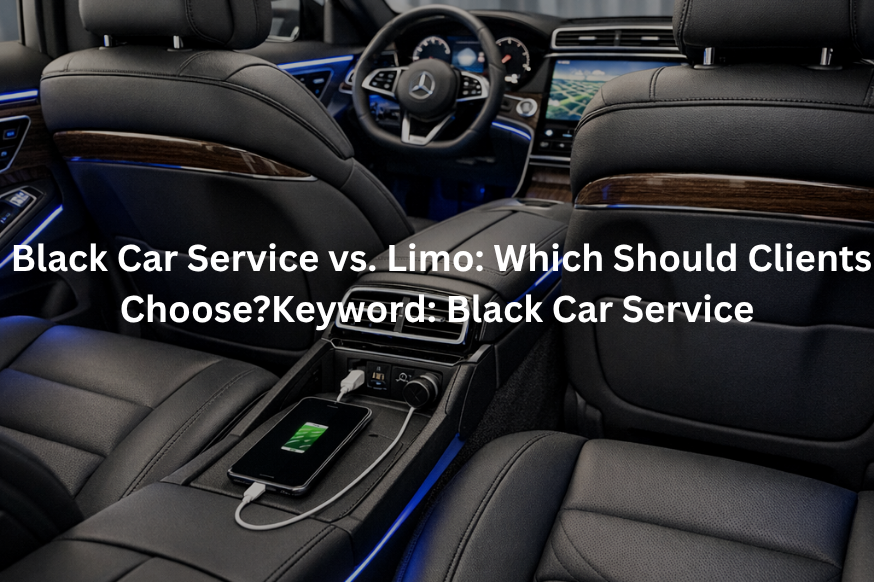
Technology amenities have become standard expectations rather than luxury additions. Wi-Fi connectivity, device charging ports, and Bluetooth audio integration support productivity and entertainment during transit. Premium private transfer service providers ensure these features function reliably rather than serving as decorative additions.
Ask specific questions about vehicle makes, models, and typical replacement schedules. Vague responses about “late model vehicles” or “luxury cars” without specifics suggest providers lack consistent fleet standards. Reputable operations proudly detail their vehicle inventory because quality represents a competitive advantage.
Question 2: How Are Drivers Vetted, Trained, and Monitored?
The second critical question examines driver qualifications and ongoing performance oversight. Vehicles provide the physical environment, but drivers create the actual experience. This question often receives insufficient attention despite its importance to safety, comfort, and satisfaction.
Baseline Licensing and Background Requirements
Commercial driver licensing represents the minimum standard, not a premium feature. Private transfer service operations must employ drivers holding appropriate commercial licenses with clean driving records. However, licensing alone provides limited assurance about actual capabilities or professionalism.
Comprehensive background checks distinguish thorough vetting from basic compliance. Criminal history verification, employment verification, and reference checks reveal character and reliability. Services transporting corporate executives or families deserve confidence that drivers meet rigorous screening standards.

Insurance coverage verification protects clients from liability exposure. Drivers should carry appropriate commercial coverage beyond personal auto policies. Request certificates of insurance confirming adequate liability limits and comprehensive protection. This documentation becomes particularly important for corporate clients requiring vendor insurance verification.
Professional Training Beyond Basic Driving
Defensive driving certification demonstrates commitment to passenger safety. Professional training programs teach hazard recognition, emergency response procedures, and techniques for smooth, comfortable driving that minimizes passenger discomfort. These skills separate trained chauffeurs from merely competent drivers.
Customer service training establishes behavioral expectations and communication standards. Drivers represent service providers during every client interaction. Training covering appropriate conversation levels, discretion with confidential matters, and assistance with luggage or doors ensures consistent professionalism across all drivers.
Geographic knowledge specific to Philadelphia and surrounding areas prevents navigation errors and identifies optimal routes. While GPS systems provide basic directions, experienced drivers understand traffic pattern variations, construction zone impacts, and alternative routes when standard paths encounter delays. This local expertise saves time and reduces stress.
Ongoing Monitoring and Quality Assurance
Trip monitoring systems allow management oversight of driver performance. GPS tracking, speed monitoring, and route adherence verification ensure drivers maintain professional standards even when unsupervised. This technology protects both clients and service providers from disputes about service quality.
Regular performance reviews based on client feedback help identify training needs and recognize exceptional service. Professional private transfer service operations systematically collect and analyze satisfaction data, addressing patterns requiring improvement while rewarding consistently high performers.
Ask how companies handle customer complaints about driver behavior or performance. The response reveals whether operations take quality seriously or view concerns as isolated incidents requiring minimal action. Structured complaint resolution processes demonstrate organizational maturity and client commitment.
Question 3: What Does Pricing Include and How Are Unexpected Situations Handled?
The third essential question addresses financial transparency and contingency planning. Hidden fees and ambiguous policies create frustration and erode trust. Comprehensive pricing discussions before booking prevent unpleasant surprises during or after service.
Understanding Complete Cost Structures
Hourly rates versus flat fees represent fundamentally different pricing models, each appropriate for specific situations. Hourly structures work well for extended availability periods like full-day executive transportation or event coverage. Flat rates suit point-to-point transfers where duration remains relatively predictable, particularly airport runs.
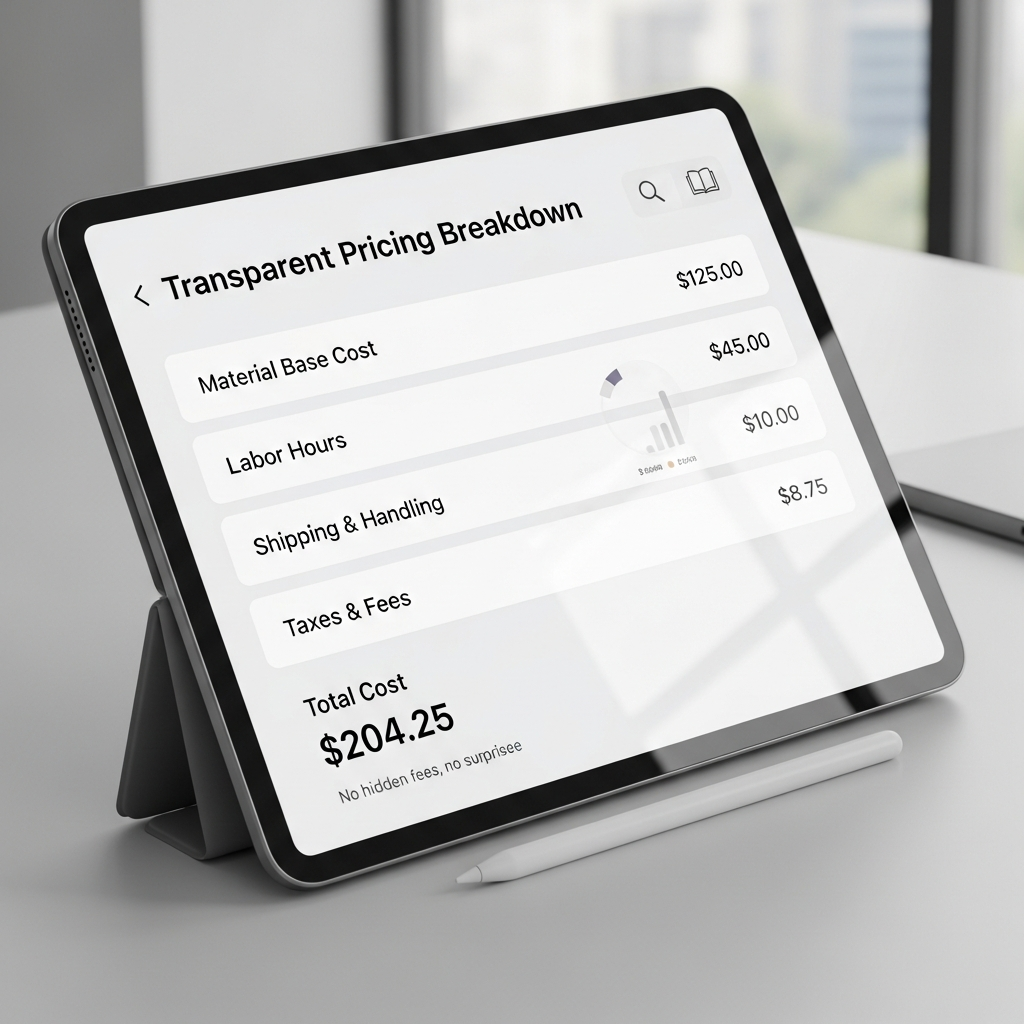
Minimum time requirements affect total costs regardless of actual service duration. Many luxury transfer service providers establish three or four-hour minimums for hourly bookings. Understanding these thresholds prevents surprise charges when brief trips fall under minimum periods.
Additional fees beyond base rates require clear disclosure. Common surcharges include gratuities, fuel surcharges, tolls, parking fees, after-hours premiums, and holiday rate increases. Professional operations itemize all potential charges upfront rather than introducing them at billing time.
Gratuity policies vary among providers. Some include standard gratuities in quoted rates, while others leave tipping to client discretion. Clarify expectations before service to avoid awkward situations or accidental under-tipping of exceptional drivers.
Handling Flight Delays and Schedule Changes
Flight tracking capabilities protect clients from coordination hassles and unnecessary charges. Professional airport private transfer providers monitor flight status automatically, adjusting pickup times when delays occur. This service eliminates frantic phone calls from baggage claim and prevents charges for driver waiting time caused by airline delays.
Grace period policies define how long drivers wait for clients before additional charges apply. Reasonable operations provide 15 to 30-minute grace periods for domestic flights and 45 to 60 minutes for international arrivals. These buffers accommodate customs processing, baggage delays, and terminal navigation without penalties.
Schedule modification procedures determine how easily clients can adjust pickup times or locations when plans change. Business travelers appreciate flexibility when meetings run long or end early. Clear policies about notice requirements and any associated fees help clients make informed decisions about change requests.
Cancellation Terms and Refund Policies
Cancellation windows establish how far in advance clients can cancel without financial penalties. Standard policies typically allow full refunds for cancellations made 24 to 48 hours before scheduled service. Shorter notice periods often incur partial charges, while same-day cancellations or no-shows usually result in full billing.
Weather-related cancellations present special circumstances requiring thoughtful policies. Responsible black car transfer services recognize that dangerous conditions sometimes necessitate trip cancellations beyond client control. Reasonable providers waive standard cancellation fees for documented severe weather situations.
Emergency exceptions for unavoidable circumstances like medical situations or family emergencies demonstrate provider compassion. While policies must protect business interests, inflexible approaches that ignore legitimate emergencies reveal concerning priorities. Ask specifically about emergency cancellation handling.
Question 4: What Technology and Communication Systems Support Service Reliability?
The fourth question explores operational infrastructure supporting consistent service delivery. Modern private transfer service providers implement technology systems that improve efficiency, communication, and accountability. These tools distinguish professionally managed operations from loosely organized services.
Booking and Reservation Management
Online booking platforms provide convenient self-service reservation options accessible 24/7. Well-designed systems clearly display available vehicles, pricing, and booking requirements without requiring phone calls. Real-time availability confirmation prevents the frustration of requesting unavailable time slots.
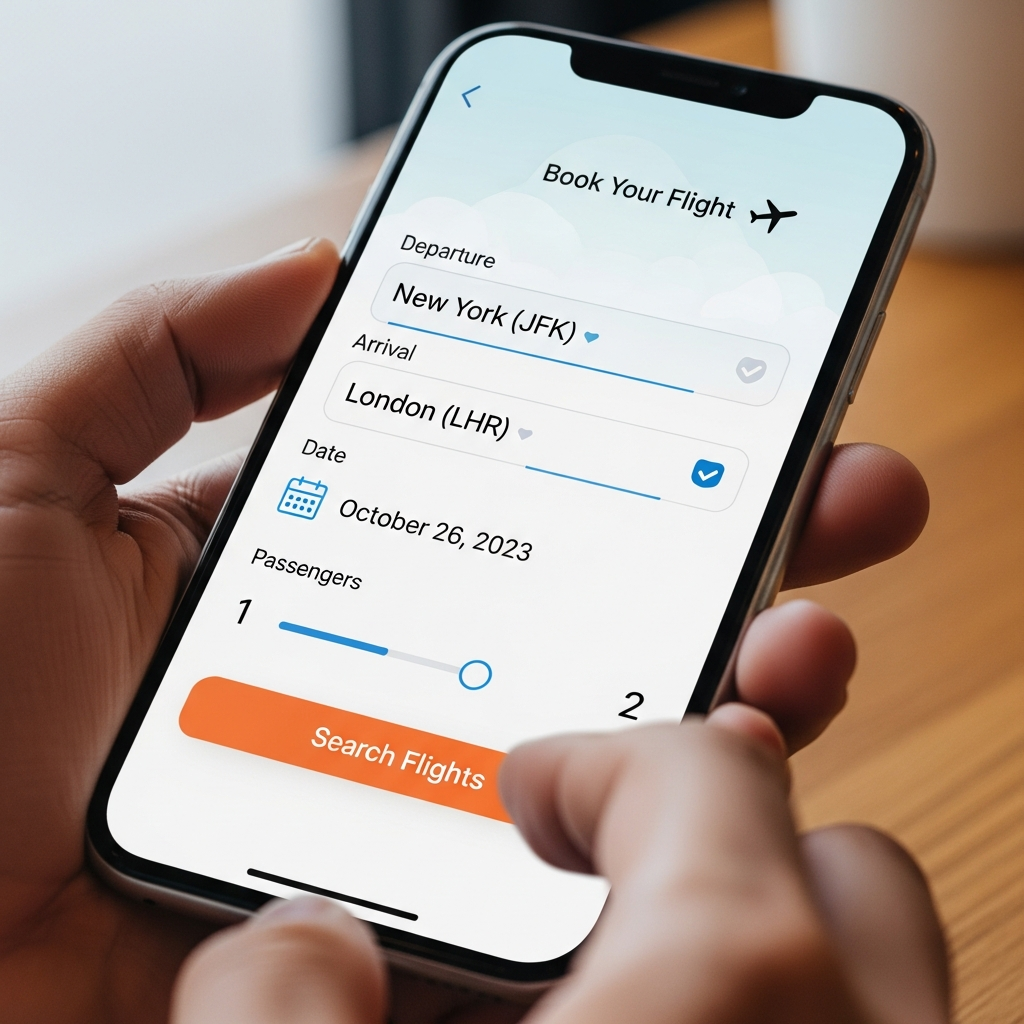
Mobile applications enhance convenience for frequent travelers managing multiple reservations or tracking service in real time. App features typically include reservation history, saved payment methods, preferred pickup locations, and push notifications about driver arrival times. These capabilities streamline the booking process and reduce administrative friction.
Automated confirmation systems send detailed reservation information via text messages and emails. Confirmations should include pickup time and location, driver contact information, vehicle description, and total pricing. This documentation ensures all parties share consistent information and provides reference material for any questions.
Corporate account management tools benefit business clients with multiple employees using private car transfer services regularly. Centralized billing, usage reporting, and approval workflows simplify expense management while maintaining service consistency across all bookings.
Real-Time Tracking and Communication
GPS driver tracking allows clients to monitor chauffeur locations and estimated arrival times. This visibility eliminates uncertainty about pickup timing and allows clients to prepare for departures appropriately. Watching vehicles approach in real time reduces anxiety associated with important appointments or tight connection windows.
Direct driver communication through secure messaging or phone systems provides quick problem resolution. Questions about pickup locations, traffic delays, or special requests receive immediate responses without routing through customer service departments. This direct access improves efficiency and reduces misunderstanding risks.
Flight monitoring integration for airport transfers adjusts pickup times automatically based on actual landing data. This technology eliminates the need for passengers to call drivers after landing, streamlining coordination and preventing confusion. Automatic adjustments also prevent charges for delays beyond client control.
Operational Oversight and Quality Control
Trip recording systems document service details including actual pickup times, routes taken, and service completion. This data provides accountability for both providers and clients regarding service delivery specifics. Recorded information helps resolve any disputes about service quality or billing questions.
Performance analytics help management identify improvement opportunities and recognize exceptional service. Tracking metrics like on-time performance, customer satisfaction scores, and driver ratings enables data-driven decision-making about training needs and operational adjustments.
Ask what technology systems support reservations, driver dispatching, and customer communication. Providers relying primarily on phone calls and manual coordination likely lack infrastructure for consistent service at scale. Modern VIP transfer service operations invest in technology that improves both efficiency and reliability.
Question 5: How Does the Provider Handle Emergency Situations and Service Failures?
The fifth essential question examines contingency planning and problem resolution capabilities. Even excellent operations occasionally encounter situations requiring backup plans. Provider responses to these scenarios reveal organizational competence and client commitment priorities.
Backup Vehicle and Driver Availability
Mechanical failures happen regardless of maintenance quality. Professional private transfer service providers maintain backup vehicles available for deployment when primary assignments encounter problems. Ask specifically about backup procedures and typical response times for vehicle substitutions.
Driver illness or emergency situations occasionally create last-minute coverage needs. Services with adequate driver pools can substitute qualified alternatives without service disruptions. Single-operator services or those with minimal staffing lack this crucial redundancy, creating risks for time-sensitive transportation needs.
Geographic coverage areas determine whether providers can efficiently serve all required locations. Companies primarily serving downtown Philadelphia may lack optimal positioning for suburban pickups or distant airport alternatives. Understand service area boundaries and any distance-based surcharges before booking trips to outlying locations.
Emergency Contact Protocols
24/7 customer service availability ensures clients can reach human assistance anytime issues arise. Automated systems and voicemail boxes provide insufficient support when facing urgent situations. Professional operations staff customer service lines around the clock or maintain on-call managers for after-hours emergencies.
Response time commitments for urgent situations establish expectations about problem resolution speed. When flights arrive early, meetings end sooner than expected, or emergencies require immediate transportation, how quickly can providers dispatch vehicles? Clear commitments about response capabilities help clients assess reliability.
Communication procedures during service disruptions keep clients informed rather than guessing about resolution status. Whether addressing traffic delays, vehicle problems, or driver issues, proactive updates demonstrate respect for client time and reduce uncertainty.
Service Guarantee and Compensation Policies
On-time guarantees demonstrate provider confidence in operational reliability. Services committing to punctual arrivals or offering compensation for failures show they take timing commitments seriously. However, examine guarantee terms carefully because overly restrictive conditions may render promises meaningless.
Service quality guarantees address scenarios where delivered experiences fall short of promised standards. What happens when vehicles arrive dirty, drivers behave unprofessionally, or amenities don’t function? Credible providers outline clear recourse options including service credits or refunds for legitimate quality failures.
Dispute resolution processes establish how clients can raise concerns and what responses to expect. Professional operations welcome feedback and maintain structured approaches for investigating complaints. Providers defensive about criticism or lacking formal complaint procedures likely struggle with accountability.
Evaluating Provider Reputation and Track Record
Beyond the five essential questions, investigating provider reputation through independent sources validates claims made during sales conversations. Third-party reviews, industry affiliations, and verifiable experience indicators help confirm whether companies deliver advertised quality.

Online reviews across multiple platforms provide unfiltered perspectives from actual clients. Look for patterns in feedback rather than fixating on individual reviews. Consistent complaints about specific issues like punctuality problems, vehicle conditions, or billing disputes reveal systemic concerns regardless of how providers respond to criticism.
Industry certifications and professional affiliations demonstrate commitment to operational standards. Membership in organizations like the National Limousine Association indicates providers invest in staying current with best practices. While not guarantees of superior service, such affiliations suggest serious business operations rather than casual ventures.
Corporate client references offer valuable insights from sophisticated buyers with extensive evaluation experience. Companies regularly using chauffeured private transfer service develop refined quality expectations. Their continued patronage signals providers meet demanding standards consistently.
Insurance and licensing verification protects clients from liability exposure and confirms legal compliance. Request certificates of insurance showing adequate coverage limits and current licensing documentation. Legitimate private transfer service operations provide this information readily because proper credentials represent competitive advantages.
Years in business indicate operational stability and accumulated expertise. While newer companies can certainly provide excellent service, established providers demonstrate sustained market viability and possess institutional knowledge about Philadelphia-specific transportation challenges. Longevity alone doesn’t guarantee quality, but it suggests fundamental competence.
Booking Strategies for Optimal Results
Understanding how to interact with private transfer service providers maximizes satisfaction and ensures clear communication about expectations. Strategic approaches to booking, timing, and coordination improve experiences regardless of which provider you select.
Optimal Booking Windows
Advance reservations secure preferred vehicles and ensure availability during peak demand periods. Standard airport transfers typically require 24 to 48 hours notice, though last-minute accommodations sometimes work depending on current demand. Special events like weddings or corporate functions warrant four to eight weeks lead time, particularly during popular seasons.
Flexibility with timing can reduce costs when providers offer non-peak discounts. Early morning or late evening transfers sometimes cost less than prime business hours. Similarly, midweek travel may receive preferential rates compared to weekend premiums. Ask about pricing variations based on timing.
Multi-trip packages provide value for frequent users booking multiple airport private transfer with meet and greet services. Negotiating rates for regular transportation needs often yields better per-trip costs than single bookings. Corporate clients particularly benefit from establishing ongoing relationships with preferred providers.
Communicating Special Requirements
Detail specific needs during initial booking conversations rather than assuming standard service includes particular features. Requirements like child safety seats, wheelchair accessibility, extra luggage capacity, or intermediate stops need explicit discussion. Providers cannot accommodate unstated needs.
Confirm all details in writing after phone bookings to prevent miscommunication. Email confirmations should include pickup time and location, destination address, vehicle type, special requests, total pricing, and driver contact information. Written documentation protects both parties if questions arise.
Reconfirm reservations 24 to 48 hours before scheduled service, particularly for important commitments. While professional operations track bookings carefully, confirmation calls catch any data entry errors or scheduling conflicts before they cause problems. This simple step provides peace of mind.
Day-of-Service Best Practices
Allow appropriate time margins for important appointments accounting for traffic variability. Professional drivers route efficiently, but unforeseen circumstances occasionally create delays. Building 15 to 30-minute cushions into schedules reduces stress and accommodates unexpected situations.
Maintain phone accessibility during pickup windows so drivers can communicate about any location questions or arrival notifications. Missed calls can create confusion about exact pickup points, particularly at large venues or complex airport terminals.
Provide feedback after service completion through reviews or direct communication with providers. Positive experiences deserve recognition that helps drivers receive credit for excellent service. Negative experiences require reporting so providers can address problems and prevent repetition with other clients.
Special Considerations for Airport Transfers
Airport transportation represents the most common luxury private transfer for groups use case, yet it presents unique challenges requiring specialized provider capabilities. Understanding airport-specific factors helps evaluate whether providers truly excel in this critical service category.

Terminal familiarity matters tremendously for efficient pickups and dropoffs. Philadelphia International Airport’s layout, traffic patterns, and airline-specific locations require knowledge that only comes through regular operation. Experienced drivers position themselves optimally to minimize client walking distances while complying with airport regulations.
Curbside versus cell phone lot procedures affect meeting logistics and timing. Some services offer terminal greeting with name signs for easy identification. Others coordinate through cell phone communication and pickup at designated zones. Understanding exact procedures prevents confusion upon arrival.
Meet and greet services provide enhanced assistance for international travelers, passengers with mobility limitations, or those unfamiliar with airports. Drivers meet clients at baggage claim, assist with luggage, and escort them to vehicles. This white-glove treatment justifies premium pricing for those valuing convenience.
Parking fee inclusion varies among providers for airport pickups requiring terminal access. Some build these costs into flat rates, while others charge separately. Clarify whether quoted prices include all airport-related fees to avoid billing surprises.
Frequently Asked Questions About Private Transportation
What is a private transfer service?
A private transfer service provides exclusive vehicle use with professional drivers for point-to-point transportation. Unlike shared shuttles or public transit, clients receive dedicated vehicles departing on their schedules without other passengers. This model offers privacy, flexibility, and reliability superior to alternatives.
How much does a private transfer service cost?
Pricing varies based on vehicle type, distance, duration, and timing. Executive sedans typically range from $85 to $150 per hour or $95 to $175 for flat-rate airport transfers. Luxury SUVs cost approximately $110 to $180 hourly. Special requests, after-hours service, and holiday periods may incur surcharges.
How do I book a private transfer service?
Booking methods include online reservation systems, mobile applications, phone calls, and email requests. Digital platforms provide immediate confirmation and allow clients to specify vehicle preferences, pickup details, and special requirements. Professional services offer multiple convenient booking channels.
What vehicles are available for private transfers?
Fleet options typically include executive sedans for one to three passengers, luxury SUVs accommodating four to six travelers, and passenger vans for larger groups. Specific makes and models vary by provider, with premium services offering vehicles from luxury manufacturers. Vehicle availability depends on advance booking timing.
Do private transfer services include flight tracking?
Professional airport operations monitor flight status automatically, adjusting pickup times when delays occur. This technology eliminates coordination hassles for travelers and prevents charges for waiting time caused by airline delays. Verify flight tracking capabilities when booking airport transportation.
Are private transfers door-to-door with luggage help?
Quality services provide complete door-to-door assistance including luggage handling at pickup and destination points. Drivers assist with loading bags into vehicles and carrying them to final destinations. This comprehensive service distinguishes professional operations from basic transportation alternatives.
What is the difference between private and shared transfers?
Private transfers provide exclusive vehicle use without other passengers, departing on client schedules. Shared transfers consolidate multiple parties into single vehicles, following optimized routes that may include multiple stops. Private options cost more but offer superior flexibility, privacy, and time efficiency.
Can I cancel a private transfer service booking?
Cancellation policies typically allow full refunds for cancellations made 24 to 48 hours before scheduled service. Shorter notice periods often incur partial charges, while same-day cancellations usually result in full billing. Weather emergencies and documented extenuating circumstances may qualify for policy exceptions.
Are drivers in private transfer services licensed?
Legitimate operations employ commercially licensed drivers who have passed comprehensive background checks and maintain clean driving records. Professional services carry commercial insurance covering passenger liability and property damage. Verify credentials before booking, particularly for corporate transportation requiring vendor documentation.
How early should I book a private transfer?
Standard bookings require 24 to 48 hours advance notice, though availability varies with current demand. Special events and peak travel periods warrant four to eight weeks lead time to secure preferred vehicles. Last-minute accommodations occasionally work but reduce vehicle selection options.
Making Your Final Selection
Armed with answers to the five essential questions and broader evaluation criteria, clients can confidently select private transfer service providers matching their specific needs. The decision process should weigh multiple factors beyond price alone.
Service specialization matters when matching providers to particular use cases. Companies focusing primarily on corporate transportation may not be ideal for social events, while those emphasizing wedding services might lack business travel expertise. Aligning provider strengths with actual needs improves satisfaction.
Trial experiences for less critical trips provide firsthand insights before committing to important occasions. Book standard airport transfers before relying on providers for crucial business meetings or special events. Direct experience reveals whether companies truly deliver promised quality.
Contract review before signing protects interests and ensures mutual understanding. Examine terms carefully including cancellation policies, liability limitations, payment schedules, and service guarantees. Request clarifications about any ambiguous language before committing.
Clear communication about expectations prevents disappointments. Discuss timing requirements, special requests, route preferences, and any concerns upfront. Documentation of important details provides reference material if questions arise later.
Reviews from verified clients offer valuable perspectives about consistent service quality. Multiple positive reports about specific strengths like punctuality, driver professionalism, or vehicle conditions indicate reliable performance. Patterns of negative feedback warrant serious consideration.

Your Path to Stress-Free Transportation
The five essential questions outlined in this guide provide a framework for evaluating private transfer service options thoroughly. Answers reveal provider capabilities, operational professionalism, and client commitment priorities. This structured approach protects against disappointing experiences and wasted resources.
Quality transportation represents more than simply moving between locations. Professional services deliver reliability for business commitments, create comfort during stressful travel, and provide peace of mind through consistent performance. These benefits justify premium pricing for clients who value their time and prefer avoiding transportation complications.
Philadelphia’s competitive private transfer service market offers numerous options across various price points and quality levels. The research effort required to identify ideal providers pays dividends through superior experiences, dependable performance, and confidence that transportation details are handled by capable professionals.
Whether coordinating business travel, planning special occasions, or arranging airport connections, the evaluation principles covered here apply universally. Fleet quality, driver professionalism, pricing transparency, technology integration, and emergency preparedness represent non-negotiable requirements for excellent experiences.
Take time to ask the five essential questions, verify credentials thoroughly, and communicate expectations clearly. These foundational steps establish partnerships with providers who understand that professional transportation represents far more than vehicles and drivers. It embodies reliability, comfort, and attention to detail that reflects positively on everyone involved.
Ready to experience transportation that actually works the way it should? Connect with professionals who understand that your time and comfort deserve serious attention. Ask the questions, verify the answers, and discover what stress-free travel really means.
Call: 610-871-8784
WhatsApp: 267-988-3392
Email: reservations@dltsl.com