
Introduction: Why Travel Agents Are More Valuable in 2026 Than Ever Before
Travel agents in 2026 are not doing the same job they were doing a decade ago. The role has shifted, the clientele has changed, and the tools available to professional travel advisors have expanded significantly. What has not changed is the core value proposition: access, expertise, and accountability that online booking platforms cannot replicate for complex, high-value, or experience-focused travel.
Philadelphia in 2026 sits at an interesting intersection for the travel industry. The city has a growing luxury hospitality sector, a strong corporate travel market tied to its financial, legal, and healthcare industries, and a convention center that draws significant group and incentive travel business year-round. Travel agents who operate in or serve the Philadelphia market have an opportunity to position themselves as indispensable partners for both individual luxury clients and corporate accounts.
Are travel agents still relevant in 2026 with so many online booking sites and apps? The evidence says yes, and the data behind that answer is more compelling than most consumers realize. According to the American Society of Travel Advisors (ASTA), bookings made through travel advisors consistently generate higher client satisfaction scores than self-booked trips, and the average value of advisor-booked travel is higher because advisors match clients to experiences rather than just prices.
This guide is written for three audiences: travel agents operating in or entering the Philadelphia market who want to understand the competitive landscape, hospitality professionals who partner with advisors and want to understand how the relationship is changing, and luxury travelers in the Philadelphia area who are deciding whether to work with a travel advisor for their next major trip. Each section provides practical, current information on how travel agents create value, get paid, and operate in the 2026 environment.
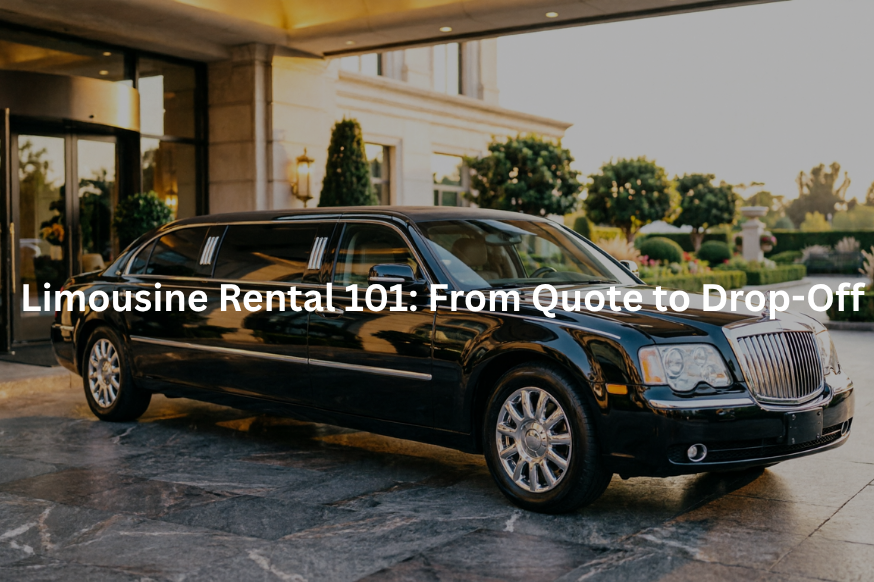
Ground transportation is one of the most frequently overlooked elements of the high-end travel experience that travel agents manage. Delux Limousine and Transportation serves as a trusted ground transportation partner for Philadelphia-area travel advisors coordinating airport transfers, hotel-to-venue routing, and multi-day executive or leisure itineraries. Explore available vehicle and service options at the Delux services page.
How Travel Agents Create Value That Online Platforms Cannot Match
Travel agents in the current market are not competing with booking platforms on price. They are competing on something the platforms cannot offer: judgment. An online platform shows options. A professional travel advisor evaluates options, filters them against the client’s actual preferences and history, and recommends based on firsthand knowledge and supplier relationships that have been built over years.
What a Travel Agent Does That Clients Cannot Do Online
What does a travel agent do that a client cannot do online? The practical answer has several layers. First, travel advisors have access to inventory and rates that are not publicly visible. Supplier relationships with hotels, cruise lines, tour operators, and airlines generate access to room categories, cabin upgrades, shore excursion credits, and preferred boarding that the public-facing booking interface does not display. A client booking a luxury cruise directly sees the published rate. A travel advisor booking the same cabin through a preferred partnership may include onboard credit, priority dining reservations, and a pre-cruise hotel package at no additional cost.
Second, advisors provide due diligence that self-booking cannot replicate. The best travel agents for luxury vacations spend time vetting properties, sailing itineraries, and tour operators on behalf of their clients. A client researching a safari lodge in Kenya has access to online reviews. A certified travel advisor who has visited the property, spoken with the management, and placed multiple clients there has a fundamentally different quality of information.
Third, travel agents provide accountability when things go wrong. What happens if something goes wrong on a trip? A client who booked independently through a consumer platform is on their own when a flight is cancelled, a hotel floods, or a tour operator fails. A travel advisor who placed the booking has existing relationships with every supplier in the itinerary, knows the escalation paths, and can intervene on the client’s behalf in a way that no algorithm can replicate.
The Ground Transportation Element That Most Advisors Underserve
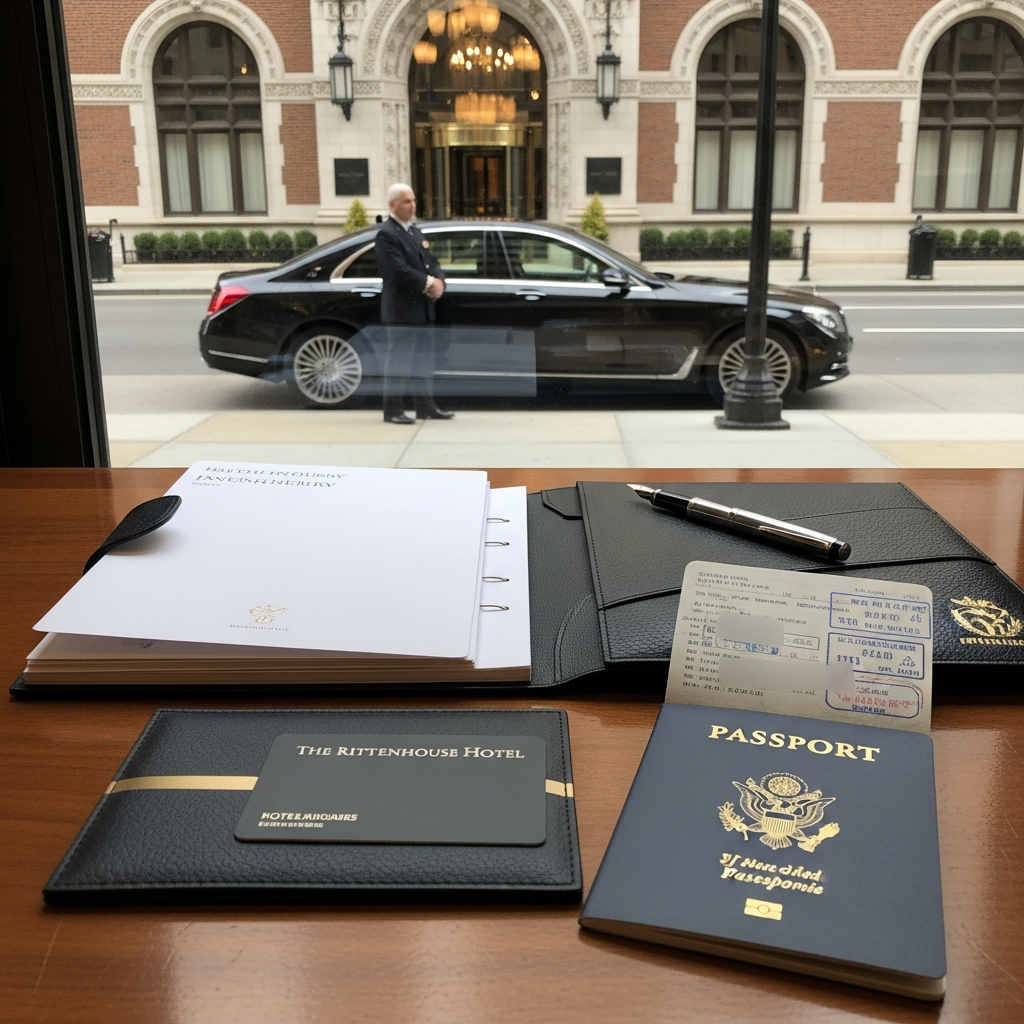
One area where travel agents consistently have an opportunity to improve client experience is ground transportation. Airport transfers, venue-to-hotel routing, and multi-stop city itineraries are often left to the client to arrange independently, which introduces an unreliable variable into an otherwise professionally managed trip. A Philadelphia client whose luxury hotel stay and restaurant reservations have been perfectly arranged by their travel advisor, but who is left to navigate rideshare apps for airport pickup, experiences a gap in the premium experience at the most visible moment of the journey: arrival.
Custom itinerary planning by a travel advisor that incorporates confirmed ground transportation from a professional provider eliminates this gap. Delux coordinates with travel advisors on Philadelphia-area client pickups and drop-offs, providing the same professional standard that advisors expect from every other supplier in the itinerary. For advisors serving corporate travel agent accounts, this coordination is particularly valuable because business clients notice and remember every element of the managed travel experience.

How Travel Agents Get Paid: The Commission Model and the Fee Shift
Travel agents in 2026 operate under a compensation structure that has changed significantly from the traditional commission-only model of the 1990s and early 2000s. Understanding how advisors are paid is important for both clients who want to assess whether a conflict of interest exists and for advisors who are evaluating how to structure their own business model.
Commission Income: Where It Comes From and How It Works
How do travel agents get paid commissions? The primary source of commission income for most travel advisors is the supplier: hotels, cruise lines, tour operators, and in some cases airlines. When a travel advisor places a booking with a preferred supplier through a consortium or host agency, the supplier pays a commission on the total booking value. This commission is typically not visible to the client as a line item on the invoice. The client pays the same rate that would be available through other channels, and the supplier pays the advisor separately.
Perks and discounts for travel agents also flow through these supplier relationships. Advisors who generate volume with specific cruise lines, hotel groups, or tour operators earn higher commission tiers, gain access to familiarization (FAM) trips that allow them to experience properties firsthand, and receive marketing support that helps them promote those suppliers to their clients. This creates a natural alignment between advisor expertise and supplier preference that clients should understand.
How do travel agents get paid, and is there a conflict of interest with the suppliers they recommend? The honest answer is that a commission structure creates an incentive to recommend suppliers who pay well over suppliers who do not. Professional advisors mitigate this by disclosing their commission relationships when asked, by recommending based on client fit rather than commission rate, and by taking fee income that reduces their dependence on any single supplier’s commission structure.
The Rise of Fee-Based Travel Advising
Are travel agents worth it in 2026? The shift toward fee-based advising has made this question easier to answer because the cost of the advisor’s service is now explicit rather than embedded in the supplier margin. Fee structures vary widely. Some advisors charge a flat planning fee per itinerary, ranging from several hundred to several thousand dollars depending on the complexity of the trip. Others charge an hourly consultation rate. Some combine a modest planning fee with commission income from preferred suppliers.
Do travel agents charge fees, or are they paid by commission? In 2026, many professional advisors charge both. A planning fee covers the advisor’s time, research, and coordination work regardless of which suppliers are ultimately booked. Commission income supplements the planning fee when preferred supplier bookings generate it. The transparency of this dual structure has improved client trust by making the advisor’s compensation visible and reasonable rather than hidden in supplier pricing.
Travel Agent Compensation Models: 2026 Overview
Compensation Model | How It Works | Best For |
Commission-only | Advisor earns from supplier bookings, no client fee | High-volume bookers with preferred suppliers |
Fee-only | Client pays flat or hourly fee; no commission taken | Advisors prioritizing full independence |
Hybrid (fee + commission) | Planning fee plus supplier commission where applicable | Most common 2026 professional model |
Salary (corporate/agency) | Fixed salary, no direct commission to advisor | Corporate travel agents inside companies |
What Types of Travel Are Best Handled by a Professional Advisor
Travel agents add the most value on trips that involve complexity, high stakes, multiple components, or specialized knowledge. Understanding where advisor expertise is most relevant helps both clients and advisors identify the right engagements.
Luxury and Custom Itinerary Travel
The best travel agents for luxury vacations operate in a market where the gap between a good trip and a great trip comes down to details that only an experienced advisor can secure. A luxury traveler booking a private villa in Tuscany, a river cruise through Bordeaux, or a safari in Botswana is making a significant financial and emotional investment. Custom itinerary planning by a travel advisor who has direct relationships with the relevant properties, understands seasonal considerations, and can coordinate private transfers, dining reservations, and activity bookings produces a materially better outcome than self-booking through a consumer platform.
Honeymoon packages through a travel agent are a strong example of this dynamic. A honeymoon is a once-in-a-lifetime trip with zero tolerance for planning failures. Travel agents who specialize in honeymoon travel have supplier relationships that generate upgraded rooms, champagne amenities, private dinner arrangements, and early check-in access. They also carry the knowledge of which properties genuinely deliver on their luxury positioning and which ones photograph well but disappoint in person.
Group Travel and Corporate Accounts
Group travel planning with a travel agent addresses a category of complexity that self-booking cannot manage. A group of twenty corporate clients attending a conference in Philadelphia, a destination wedding with fifty guests across three different cities, or an incentive travel program for a sales team requires coordination across flights, accommodations, dining, activities, and ground transportation that is far beyond what any single consumer booking interface can handle.
Corporate travel agent relationships with Philadelphia-area businesses are particularly valuable in 2026 because the corporate travel market has increased in complexity. Duty of care requirements, sustainability reporting, and the integration of ground transportation into managed travel programs have all added layers to the corporate travel manager’s responsibilities. A professional travel advisor who understands these requirements and can coordinate with compliant ground transportation providers is a genuine operational asset to any corporate account.
Cruise Travel and Complex International Itineraries
Cruise deals from a certified travel agent consistently outperform self-booked cruise pricing because cruise lines offer their highest commission rates and best promotional packages through preferred travel advisor partnerships. A client who books directly with a cruise line gets the published rate and whatever promotional offer is currently running. A client who books through a certified travel advisor with preferred partner status with that cruise line may receive onboard credit, shore excursion vouchers, a premium drinks package, and a pre-cruise hotel package, all included in the same base rate.
What types of trips are best handled by a travel agent? In addition to cruises and luxury custom itineraries, the list includes multi-country international itineraries requiring visa coordination, family holiday packages where age-appropriate activities and accommodation must align for different age groups, adventure travel programs that require medical, insurance, and physical preparation guidance, and any trip where the traveler has a specific outcome expectation that goes beyond simply arriving at a destination.

How Independent and Online Travel Agents Are Building Philadelphia Clientele in 2026
Travel agents in 2026 operate across a wider range of structures than at any previous point in the industry’s history. The traditional brick-and-mortar travel agency still exists and serves clients who prefer an in-person relationship. But the growth in the sector is coming from independent travel advisors, home-based agents, and online travel consultants who serve clients across geographic boundaries using digital communication tools.
The Independent Agent Model
How to become a travel agent from home has become one of the most searched career-related queries in the travel space. Independent advisors typically affiliate with a host agency that provides access to supplier relationships, booking platforms, and consortium memberships that would be inaccessible to a solo operator. The host agency takes a portion of the commission income in exchange for the infrastructure access. An independent advisor who generates strong volume retains a growing share of that commission as their production tier increases.
Travel agent training and startup costs for an independent model are more accessible than many people realize. Professional certifications from organizations like ASTA, the Travel Institute, and CLIA (Cruise Lines International Association) provide structured training that builds credibility with both suppliers and clients. A new advisor who enters the market with relevant certifications, a defined niche, and a host agency relationship is positioned to build a client base relatively quickly if they focus on a specific travel category rather than attempting to serve all segments simultaneously.
Do travel agents work remotely, and can clients work with one online or by phone rather than in person? Yes. The majority of new advisor-client relationships in 2026 are initiated online and maintained through video calls, email, and messaging platforms. A client in Philadelphia can work with an independent travel agent who specializes in African safari travel and is based in Atlanta. The specialization matters more than the physical location in most trip categories. Finding a local travel agency near me remains relevant for clients who prefer in-person consultation, but the local requirement is not a constraint for most modern trip types.
Building a Philadelphia Market Presence
Philadelphia-area travel agents who want to build a strong local presence in 2026 have several differentiating opportunities. The city’s convention and group travel market creates demand for corporate travel agent expertise. The luxury hotel sector, including properties like the Four Seasons One Liberty Place and the Rittenhouse Hotel, generates a client base with high-value leisure travel needs. The city’s strong healthcare and legal industry presence creates corporate account opportunities for advisors who understand managed travel programs.
Partnerships with local luxury service providers strengthen an advisor’s Philadelphia market position. Ground transportation is one of the most visible partnership opportunities. An advisor who recommends a professional car service like Delux Limousine and Transportation for client airport transfers and city itineraries adds a tangible service benefit that differentiates their offering from advisors who leave transportation to the client. Connect with Delux through the Delux contact page to discuss advisor partnership arrangements for Philadelphia-area client transfers.
Travel Agent Value by Trip Type
Trip Type | Advisor Value Level | Key Benefit |
Luxury custom itinerary | Very High | Supplier access, property vetting, problem resolution |
Honeymoon / milestone | Very High | Upgrades, amenities, zero-tolerance for failure |
Group or corporate travel | Very High | Coordination complexity, duty of care, consolidated billing |
Cruise (all categories) | High | Commission-backed perks, preferred partner access |
Family holiday (complex) | High | Age-appropriate planning, multi-component coordination |
Simple domestic booking | Low to Moderate | Self-booking often sufficient for straightforward trips |
Frequently Asked Questions About Travel Agents in 2026
What does a travel agent do that I can’t do online?
Travel agents provide access to unpublished rates and supplier perks, apply firsthand destination and property knowledge, manage the full booking process, and intervene on the client’s behalf when something goes wrong. Online platforms show options. Advisors provide informed recommendations backed by supplier relationships.
Do travel agents charge fees, or are they paid by commission?
In 2026, most professional advisors use a hybrid model: a planning fee for their time and expertise plus commission income from preferred supplier bookings. Fee amounts and structures vary and should be disclosed clearly at the start of the engagement.
Can a travel agent actually save me money compared to booking on my own?
Do travel agents save you money on trips? For complex or luxury travel, the answer is often yes, because advisor-booked rates through preferred suppliers include value-adds not available through public channels. For simple domestic bookings, the savings may be less significant.
What are the benefits of using a travel advisor for luxury or complex trips?
Benefits of using a travel agent for luxury travel include access to upgrades and supplier perks, expert property and destination vetting, coordination of all components, and professional intervention when disruptions occur. The ROI on a planning fee is typically clear when the trip is complex or high-value.
How do travel agents get access to upgrades, VIP perks, and special rates?
Perks and discounts for travel agents flow through consortium memberships, host agency preferred supplier agreements, and individual advisor relationships built on booking volume. Suppliers pay higher commissions and offer better perks to advisors who generate consistent, high-value bookings.
Are travel agents still relevant in 2026?
Are travel agents worth it in 2026? Yes, for the right trip categories. ASTA data consistently shows higher satisfaction scores for advisor-booked trips. The relevance is strongest for luxury, complex, group, and high-stakes travel where advisor judgment and supplier access create measurable value.
What types of trips are best handled by a travel agent?
Honeymoons, luxury custom itineraries, cruises, group and corporate travel, multi-country international trips, destination weddings, and adventure travel are the categories where advisor expertise creates the most value.
How do I choose a good travel agent that specializes in my destination?
Look for professional certifications from ASTA, the Travel Institute, or CLIA. Ask for destination-specific experience and client references. Review the advisor’s disclosure of commission relationships and fee structure before committing.
Do travel agents work remotely?
Yes. The majority of independent travel advisors in 2026 work remotely and serve clients through digital communication. Finding a local travel agency near me is still relevant for clients who prefer in-person consultation, but location is not a constraint for most modern travel categories.
What information do I need to provide a travel agent to get an accurate quote?
Travel dates, destination preferences, budget range, group size, accommodation preferences, special interests, and any must-have experiences. The more context an advisor has, the more accurately they can match the itinerary to the client’s actual expectations.
How do travel agents get paid, and is there a conflict of interest with suppliers they recommend?
How do travel agents get paid commissions is a fair and important question. Commission structures create a potential incentive to recommend higher-commission suppliers. Professional advisors mitigate this through disclosure, fee-based income, and genuine client-first recommendation practices.
What happens if something goes wrong on my trip?
A travel advisor who placed the booking has existing supplier relationships and escalation paths that individual travelers do not. They can intervene with airlines, hotels, and tour operators on the client’s behalf in ways that the client’s own phone call or app message cannot achieve.
Conclusion: Smarter Operations, Stronger Client Value
Travel agents in 2026 who are succeeding share several characteristics. They have defined a niche rather than attempting to serve every travel category. They have structured their compensation transparently, combining planning fees with supplier commissions in a way that clients understand and accept. They have built supplier relationships that generate genuine client benefits rather than relying solely on public-facing booking access. And they have surrounded themselves with trusted local partners who extend the quality of the client experience beyond flights and hotels.
Philadelphia in 2026 offers travel advisors a market with strong corporate demand, a growing luxury hospitality base, and a group and convention travel sector that requires exactly the kind of coordinated, accountable service that professional advisors provide. Advisors who position themselves as specialists rather than generalists, and who build partnerships with local providers who match their professional standard, are the ones building durable and growing practices.
Ground transportation is one of those partnership opportunities that advisors consistently undervalue until they see how much it matters to clients. A professionally managed airport pickup at Philadelphia International Airport, coordinated through Delux, is the first tangible proof point that the advisor has managed every element of the trip rather than leaving the client to handle the last mile independently.
Follow Delux on Instagram and Facebook for fleet and service updates relevant to travel advisor partnerships. Connect via LinkedIn for corporate and advisor account discussions. Read client service reviews at the Delux Yelp page.
Travel agents and hospitality professionals seeking a professional ground transportation partner for Philadelphia-area client transfers can initiate a conversation at the Delux contact page or through the contact details below.
Contact Delux Limousine and Transportation
Call: 610-871-8784
WhatsApp: 267-988-3392
Email: reservations@dltsl.com