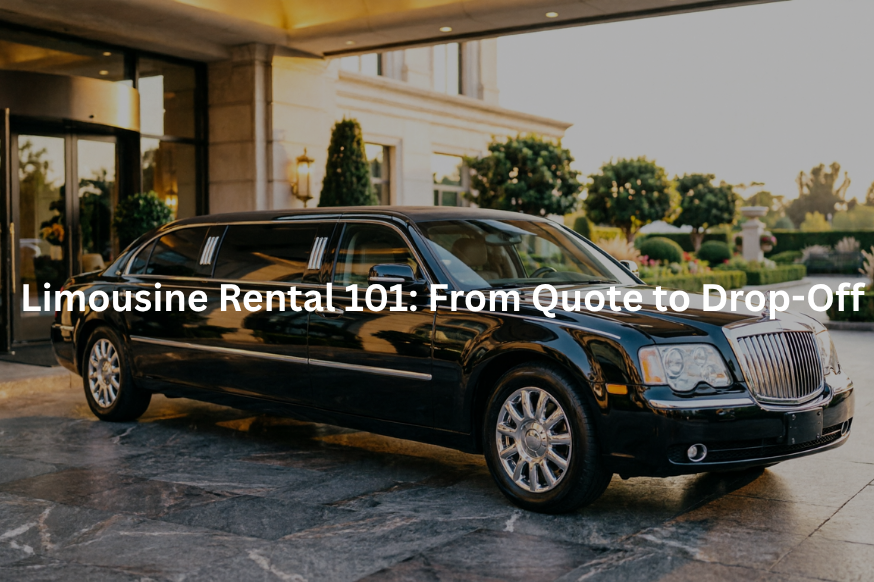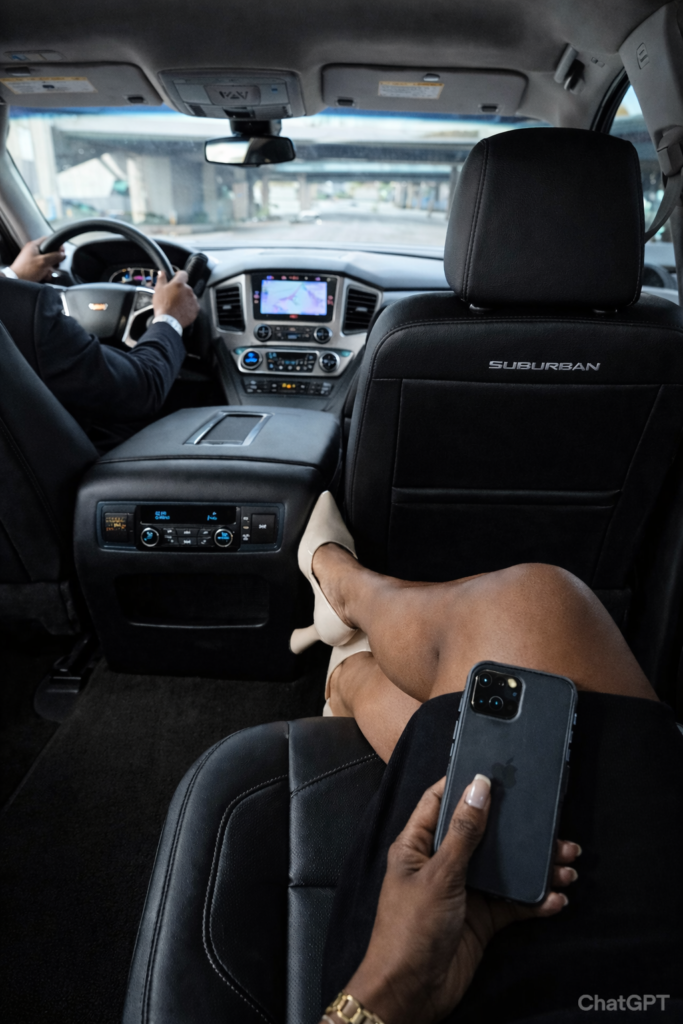
New Year’s Eve is the one night each year when everyone’s out celebrating at the same time. The parties are bigger, the drinks flow more freely, and the pressure to have an amazing night feels intense. But here’s what nobody talks about until something goes wrong: New Year’s Eve transportation is one of the most dangerous aspects of the entire celebration, and most people handle it terribly.
I’m not trying to kill your buzz or sound preachy. I’m telling you what the statistics show and what emergency rooms see every single January 1st. The reality is that New Year’s Eve transportation decisions have life or death consequences, and yet people treat it like an afterthought or assume everything will just work out.
Smart celebrators approach New Year’s Eve transportation completely differently. They follow specific safety rules that keep everyone alive and out of jail while still having an incredible night. These aren’t complicated rules, but they require planning ahead and taking the situation seriously. Let me walk you through exactly what separates people who celebrate safely from those who become statistics.
Rule 1: Plan Your New Year’s Eve Transportation Before You Start Drinking
This seems obvious until you realize how many people completely ignore it. The typical approach goes something like this: get dressed up, head to a party or bar, start drinking, and figure out the ride home later when you’re already several drinks in and your judgment is impaired. This is how bad decisions happen.
The National Highway Traffic Safety Administration reports that New Year’s Eve consistently ranks among the deadliest nights for drunk driving crashes. The hours between midnight and 6 AM on January 1st see a spike in alcohol related accidents that makes normal weekend nights look tame by comparison. These aren’t random accidents. They’re the predictable result of people making transportation decisions while intoxicated.
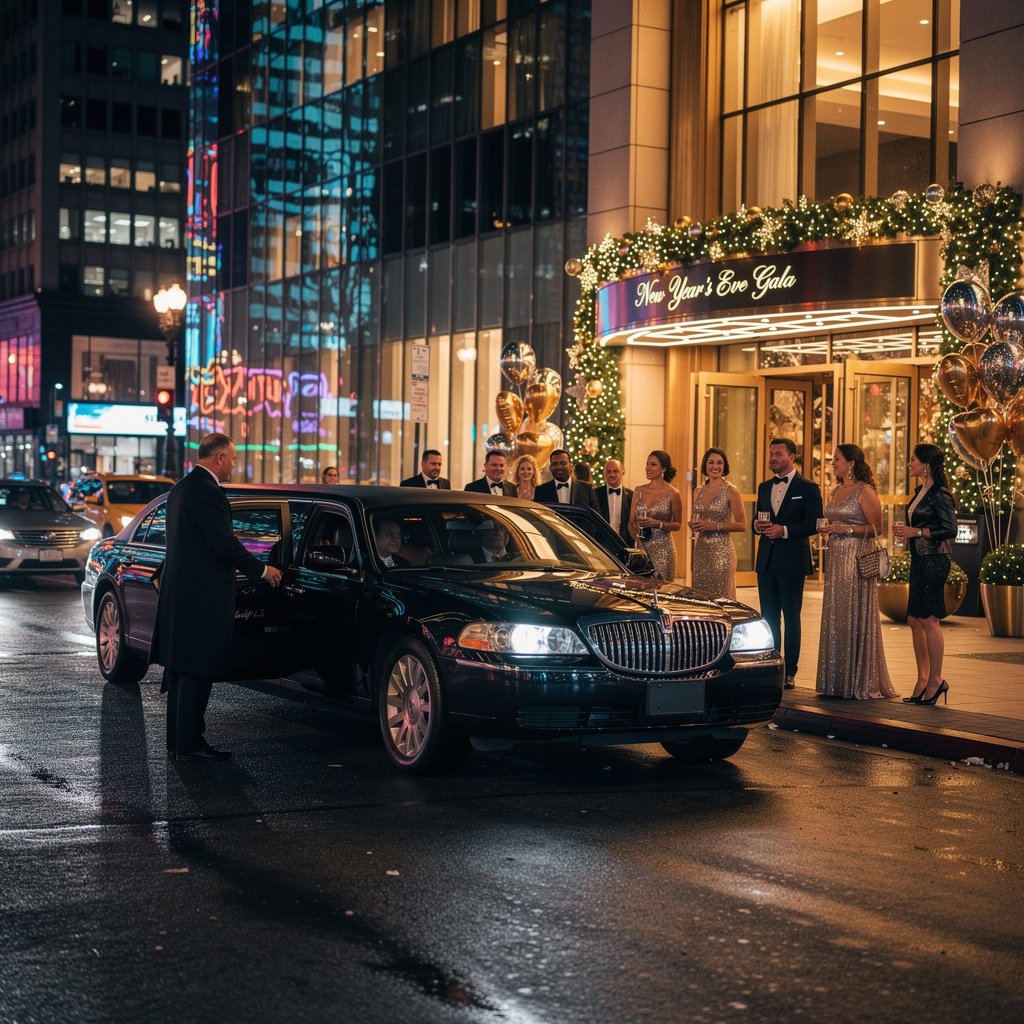
Smart celebration starts with transportation planning before anyone touches a drink. You decide how you’re getting home while you’re still completely sober and thinking clearly. You book professional New Year’s Eve transportation weeks in advance, or you designate a driver who commits to staying sober, or you arrange to stay where you’re celebrating. The specific solution matters less than making the decision before alcohol affects your judgment.
Here’s why this matters so much: once you start drinking, your brain literally changes how it evaluates risk. What seems like a reasonable choice at 1 AM after six drinks (I’m fine to drive, it’s only a few miles, I’ll be careful) is actually a terrible decision that sober you would never make. Planning New Year’s Eve transportation in advance removes the opportunity for drunk you to make choices that could ruin lives.
The booking timeline is important too. Professional services fill up fast for New Year’s Eve. The best companies are fully booked weeks in advance because smart people planned ahead. If you wait until December 30th to think about this, you’re getting whatever’s left or relying on alternatives that might not work out.
Rule 2: Never Trust “I’m Fine to Drive” From Anyone Who’s Been Drinking
This is the rule that saves lives and destroys friendships, but it’s non negotiable. On New Year’s Eve, you cannot trust anyone’s self assessment of their ability to drive safely, including your own. The phrase “I’m fine to drive” from someone who’s been drinking should be treated the same as “I’m fine to perform surgery” from someone with no medical training. It’s not a matter of honesty or intention. It’s a matter of alcohol literally impairing the brain’s ability to judge impairment.
The science here is clear. Alcohol affects judgment and coordination at levels well below what most people consider “drunk.” At 0.08 blood alcohol content, which is the legal limit in most states, you’re already significantly impaired. But impairment starts much earlier. At 0.02, you’re already experiencing declined visual functions and inability to perform two tasks at once. That’s less than one drink for many people.
Smart New Year’s Eve transportation planning assumes that anyone who’s been drinking is not driving, period. It doesn’t matter if they “only had two beers” or “feel totally fine” or “have driven like this before without problems.” None of those things change the fact that alcohol impairs driving ability and increases crash risk. Studies consistently show that even small amounts of alcohol increase the likelihood of accidents.
This rule creates social awkwardness. Someone insists they’re fine. You’re uncomfortable challenging them. Maybe they get defensive or annoyed. None of that matters compared to preventing a crash that could kill people. The right move is having an alternative ready: professional transportation that’s already arranged, a genuinely sober designated driver, or sleeping arrangements where you are. You’re not debating whether they can drive. You’re implementing the plan you made before anyone started drinking.
For groups, establish this rule upfront. Before the first drink gets poured, everyone agrees: nobody who’s been drinking is driving tonight, and we’re not having arguments about it later. Having this conversation while everyone’s sober prevents the late night debates when someone’s impaired judgment makes them think they’re an exception.
Rule 3: Book Professional Services, Don’t Gamble on Rideshare Availability
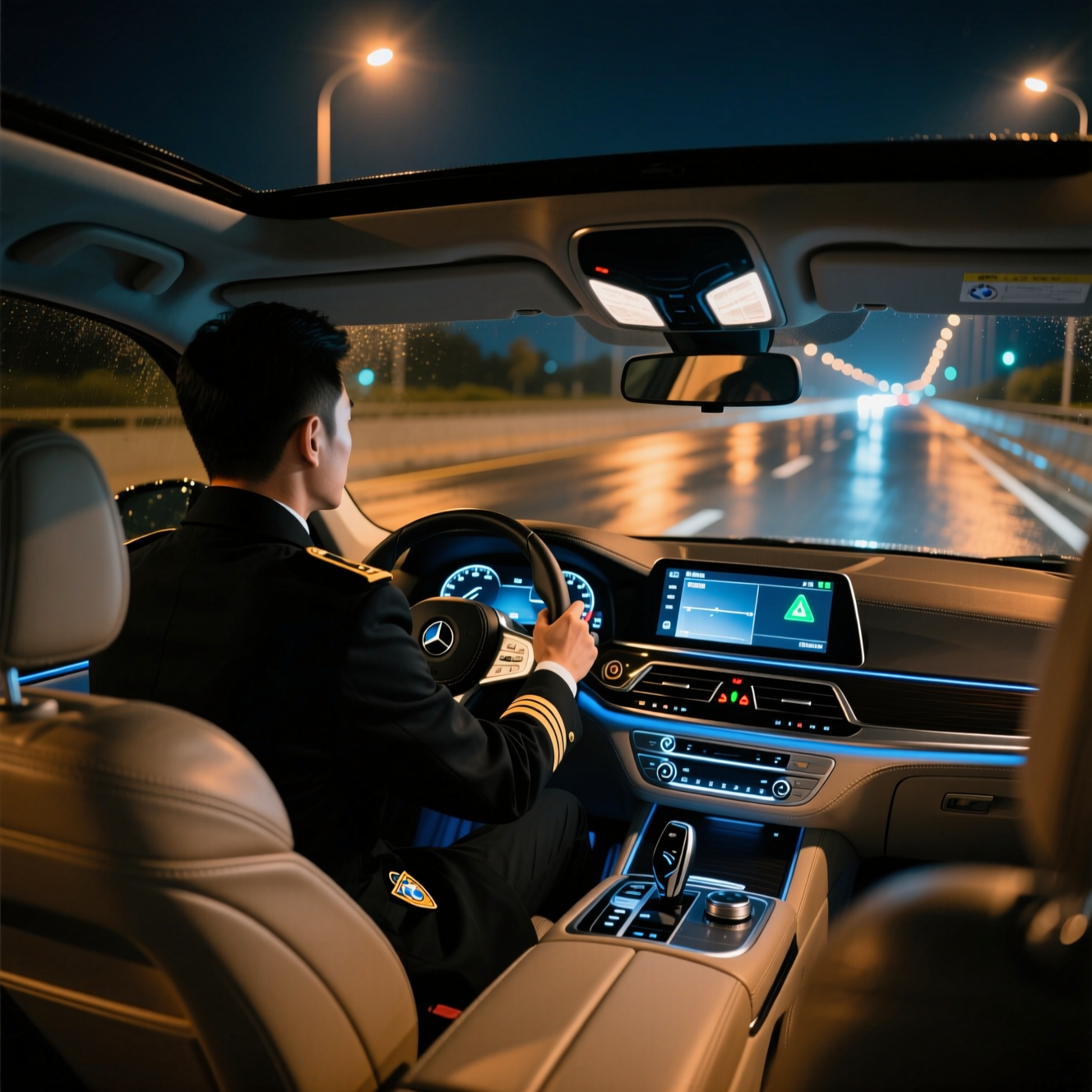
Here’s what happens every New Year’s Eve with rideshare apps: demand overwhelms supply. Everyone wants a ride at the same time, between midnight and 2 AM. Surge pricing goes crazy, multiplying normal rates by three, four, even five times. Wait times stretch to 30, 45, 60 minutes or more. Drivers cancel rides. Apps crash. People who assumed they’d just “get an Uber” discover that plan doesn’t work when ten thousand other people have the same idea.
Professional New Year’s Eve transportation booked in advance solves all of this. You’re not hoping a driver accepts your request. You’re not watching surge pricing climb while you wait in the cold. You have a confirmed reservation with a specific company that’s contractually obligated to provide service. This certainty matters enormously on a night when alternatives fail.
The cost comparison is more favorable than people expect. Yes, booking professional service costs more than a normal rideshare ride. But on New Year’s Eve, you’re not paying normal rideshare rates. You’re paying surge prices that often exceed what professional service costs anyway. When you factor in reliability and guarantee of service, professional transportation is often better value.
Think about what’s actually at stake here. If your rideshare plan fails at 1 AM on New Year’s Eve, what’s your backup? You’re potentially stuck somewhere, tired, possibly cold, with limited alternatives. Maybe you make a bad decision about driving. Maybe you end up in a situation that’s uncomfortable or unsafe. All of this is avoidable by booking professional New Year’s Eve transportation weeks in advance.
For groups, this becomes even more important. Trying to coordinate multiple rideshares for a group of eight people on New Year’s Eve is a nightmare. You’re dealing with different drivers, different arrival times, different surge prices. One vehicle that accommodates everyone keeps the group together and eliminates all that coordination hassle.
The booking process for New Year’s Eve transportation requires advance planning. Most professional services require deposits and have cancellation policies. You need to provide details about pickup locations, timing, and group size. This feels like work compared to just opening an app later, but it’s the work that ensures you actually get home safely.
| Factor | Rideshare on New Year’s Eve | Professional New Year’s Eve Transportation |
|---|---|---|
| Availability | Highly unreliable, long wait times common | Guaranteed, booked in advance |
| Pricing | Extreme surge pricing, 3×–5× normal rates | Fixed rate agreed upon at booking |
| Group Accommodation | Multiple vehicles required, coordination is stressful | Single vehicle sized perfectly for your group |
| Reliability | Drivers can cancel at any time | Contractually obligated service |
| Planning Required | No planning until you’re already stuck | Reserved weeks ahead for peace of mind |
| Peak Time Service | Worst availability during peak demand | Scheduled precisely for your pickup time |
Rule 4: Have a Specific Backup Plan, Not Just Hope
Even with good planning, things can go wrong. Your designated driver gets sick. Your professional service has a vehicle breakdown. Weather creates problems. The venue you’re at has some kind of issue. Smart New Year’s Eve transportation planning includes a backup plan for when the primary plan fails.
The backup doesn’t have to be elaborate. It needs to be specific and realistic. “We’ll figure something out” is not a backup plan. “If our scheduled transportation doesn’t show up, we have the contact information for two other professional services who said they might have availability” is a backup plan. “If all else fails, we’re staying at Sarah’s place which is walking distance” is a backup plan.
For groups, assign someone to be the designated backup planner. This person stays relatively sober and has the mental capacity to implement alternatives if needed. They have phone numbers, they have apps ready, they know what the options are. Everyone else can celebrate freely knowing someone’s keeping track of logistics.
Weather is a particular concern for New Year’s Eve transportation in many parts of the country. Philadelphia winters can throw snow, ice, or freezing rain at you with relatively little warning. If weather is bad, your backup plan might involve leaving earlier than planned, or staying where you are, or switching to a service with better winter vehicles. The key is thinking through these scenarios before you’re dealing with them at 1 AM in a snowstorm.
The backup plan also covers the worst case scenario: you can’t get safe transportation and you can’t stay where you are. What do you do? For some people, this means having money set aside for a hotel room within walking distance of wherever they’re celebrating. For others, it means knowing which friends live nearby and would let you crash. The specific solution matters less than having thought it through.
Communication is part of backup planning. Make sure multiple people in your group have key contact information. If phones die or get lost, which happens at parties, you need redundancy. Write down important numbers. Have them in multiple places. This sounds paranoid until the moment you need them and they’re not available.
Rule 5: Start Your Night Knowing How It Ends
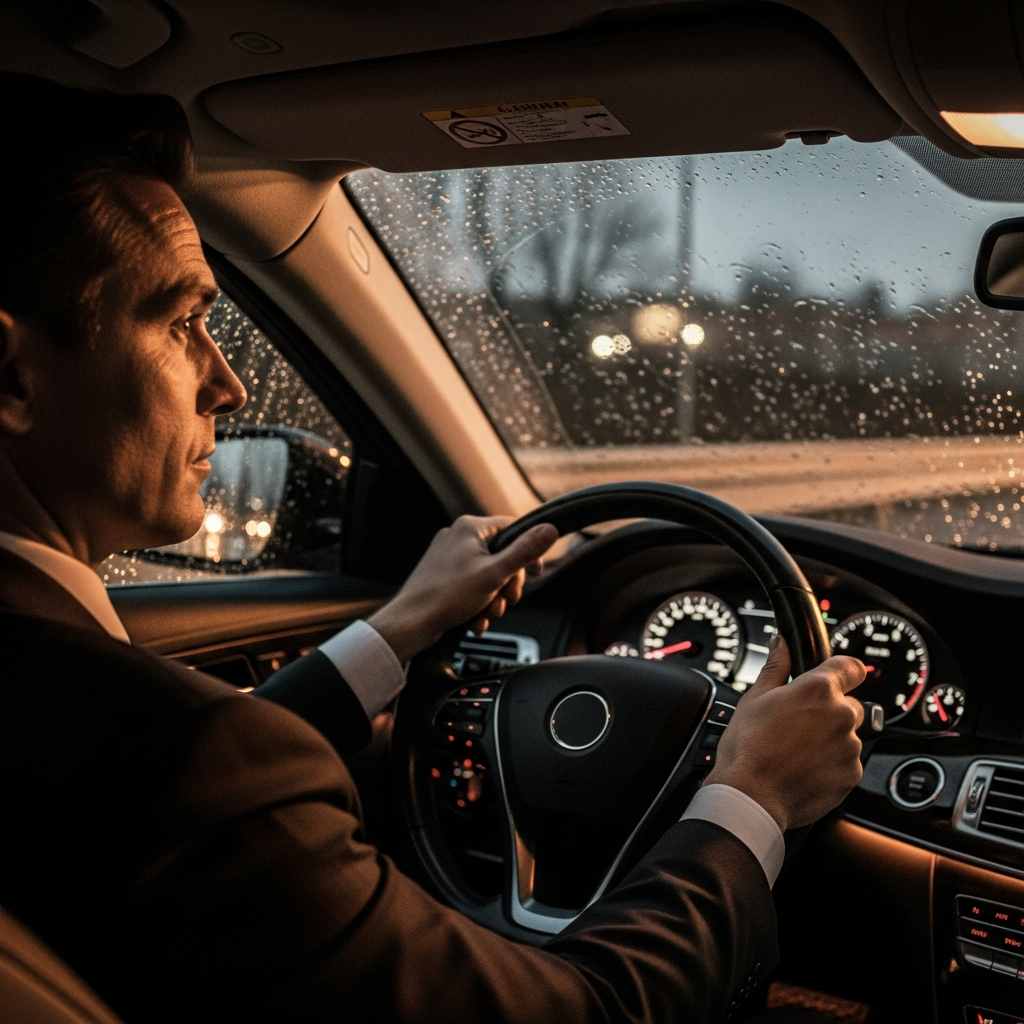
This rule ties everything together. Before you leave for your New Year’s Eve celebration, you should know exactly how you’re getting home. Not “we’ll figure it out later” or “probably an Uber” or “I’m sure someone will be sober enough to drive.” You know specifically how you’re getting from wherever you’re celebrating back to where you’re sleeping, and that plan doesn’t depend on decisions you’ll make while drunk.
This advance planning changes how you celebrate. You’re not in the back of your mind worrying about transportation. You’re not watching the clock thinking about when you need to sober up for the drive home. You’re not having those whispered conversations with your partner about whether you should leave now while you can still maybe drive safely. You’re fully present at your celebration because the transportation is handled.
For professional New Year’s Eve transportation, this means having confirmation details, knowing your pickup time and location, and having the driver’s contact information easily accessible. You’ve already paid or know exactly what you’re paying. There are no surprises, no last minute decisions, no stress about this particular aspect of the evening.
The end of your night is just as important as the celebration itself. Starting the new year by getting home safely, not fighting about who’s driving, not worrying about DUIs or crashes, sets the tone for everything that follows. Compare this to starting the new year with a drunk driving arrest, an accident, or worse. The transportation decisions you make before going out determine which of these scenarios you experience.
Smart celebrators also plan for the next morning. If you’re celebrating somewhere other than home, what’s the morning transportation situation? If you left your car somewhere, how are you getting back to it? These aren’t urgent questions like how you’re getting home from the party, but answering them in advance prevents morning confusion and bad decisions when you’re hungover.
The Group Dynamic That Changes Safety
Individual New Year’s Eve transportation planning is important, but group dynamics create additional safety considerations. When you’re celebrating with friends, family, or coworkers, the transportation planning needs to account for everyone, and someone needs to coordinate.
The biggest group mistake is diffusion of responsibility. Everyone assumes someone else is handling the transportation planning. Nobody actually takes ownership. Then midnight arrives and nobody has a clear plan. This is how groups end up scattered, with some people making questionable driving decisions while others are stranded waiting for rides that might never come.
Smart groups assign one person to handle New Year’s Eve transportation coordination. This person books the professional service or organizes the designated driver rotation. They’re the point of contact for everyone in the group. They communicate the plan clearly, multiple times, before anyone starts drinking. Everyone knows what’s happening and when.
The designated driver approach for groups requires special attention. If one person is staying sober to drive everyone else, that’s a significant sacrifice they’re making for the group. Acknowledge this. Make it worth their time. Maybe they’re compensated financially. Maybe the group covers their non alcoholic drinks and meal. Maybe next time someone else takes the role. The point is making sure the person staying sober feels appreciated rather than resentful.
For larger groups, professional transportation often makes more sense than designated drivers. A vehicle that seats ten to fifteen people keeps everyone together and allows everyone to participate equally in the celebration. Nobody’s missing out because they drew the short straw on driving duty. The cost split among a dozen people becomes very reasonable per person.
Group transportation also solves the problem of people wanting to leave at different times. Maybe some people are ready to go home at 12:30 while others want to stay until 3 AM. Professional services can often accommodate multiple pickup times or provide solutions for different schedules within the group. This flexibility keeps everyone safe without forcing everyone onto the same timeline.

The Financial Reality Check
Let’s talk honestly about what New Year’s Eve transportation costs, because price is often where people balk and make risky decisions. Professional service seems expensive until you compare it honestly to alternatives and factor in the risks you’re taking.
A professional car service for New Year’s Eve might cost $150 to $400 depending on distance, vehicle size, and how long you need them. This sounds like a lot until you break it down. For a group of six people, that’s $25 to $65 per person. For couples, it’s $75 to $200 each. Compare this to what you’re spending on drinks, party tickets, or dinner, and the transportation cost is rarely the most expensive part of your evening.
Now compare it to the alternatives. Rideshare on New Year’s Eve with surge pricing can easily cost $80 to $150 for a single trip. If you need round trip, you’re potentially spending $160 to $300, and that’s assuming you can actually get a ride when you need one. The professional service starts looking like better value when you account for guaranteed availability.
The real comparison is against the cost of a DUI. A first offense DUI typically costs $10,000 to $15,000 when you factor in fines, legal fees, increased insurance rates, license reinstatement fees, and potential lost wages if you lose your job. That’s not including the possibility of jail time or the permanent impact on your record. Against that risk, spending $200 on safe New Year’s Eve transportation seems like the obvious choice.
And of course, there’s no honest way to value the cost of an accident that injures or kills someone. This isn’t meant to be heavy handed or preachy. It’s just math. The downside risk of impaired driving is catastrophically high. The cost of preventing that risk through professional transportation is comparatively tiny.
For people on tight budgets, here’s how to make New Year’s Eve transportation work: reduce costs in other areas. Have people over at your home instead of going out. Choose a less expensive venue. Drink less at the party and save money on alcohol. These are all good places to cut spending. Transportation safety is not the place to pinch pennies.
The Timing Strategy That Actually Works
When you’re booking professional New Year’s Eve transportation, timing matters more than on regular nights. The hours between 11 PM and 3 AM see overwhelming demand. Services are stretched thin. Prices reflect this demand. Understanding the timing dynamics helps you plan smarter.
Many services offer better rates for pickups before midnight or after 2 AM. If your celebration is flexible about timing, starting earlier or planning for a very late night can save money while still ensuring safe transportation. You’re avoiding the absolute peak demand window when everyone is trying to move at once.
Round trip service often makes more sense than one way for New Year’s Eve. Book your transportation to take you to your celebration and bring you home. This ensures you have guaranteed transportation both directions. You’re not hoping you can get a ride home after midnight when demand peaks. The driver is scheduled specifically for you.
Some groups use a hybrid approach. They drive to a central meeting point while still sober, leave cars there, and then use professional New Year’s Eve transportation from that point for the rest of the evening. This works if the meeting point has safe overnight parking and everyone is comfortable leaving vehicles there. It reduces the transportation cost while still ensuring nobody’s driving after drinking.
The communication timeline with your transportation provider matters too. Confirm details a week before New Year’s Eve. Confirm again the day before. Check in the day of. Have a direct phone number for your driver or the dispatcher. This level of communication ensures everyone’s on the same page and catches any issues while there’s still time to fix them.

What About Public Transportation?
Some cities have good public transit that runs late on New Year’s Eve. This can be a viable safe transportation option, but it comes with specific considerations that aren’t factors on normal nights.
Public transit on New Year’s Eve is crowded. Not just busy, but packed with drunk people. The experience can range from unpleasant to genuinely uncomfortable or unsafe depending on your city and specific route. If you’re dressed up for a nice celebration, being crammed into a subway car with a rowdy crowd might not be the experience you’re hoping for.
Schedule changes are common on New Year’s Eve. Some systems run special late night service. Others shut down earlier than usual. You need to check specific schedules for your city and your route. Don’t assume normal schedules apply. Don’t assume the information online is current. Call and verify if transit is a critical part of your New Year’s Eve transportation plan.
Safety on public transit varies enormously by city and route. In some places, it’s perfectly safe at 2 AM on New Year’s Eve. In others, you’re taking genuine risks, especially if you’re alone or in a small group. Be honest about the safety situation in your specific city. Don’t let cost savings override safety concerns.
For some people in some cities, public transit combined with walking or a short rideshare makes sense as part of a multi mode transportation strategy. You take the subway to get most of the way home, then a rideshare for the final mile. This reduces the cost and time of the rideshare portion while still getting you safely home.
The Morning After Consideration
Smart New Year’s Eve transportation planning extends into January 1st. Where’s your car? How are you getting back to it? What’s the plan if you’re hungover and don’t feel like dealing with logistics first thing in the morning?
If you drove to a friend’s place and left your car there overnight, you need a plan for retrieving it. Maybe someone who didn’t drink picks up everyone who needs rides to their cars. Maybe you use rideshare the next day when demand is normal and prices are reasonable. Maybe you just walk if it’s close enough. The specific solution matters less than having thought it through.
For people who took professional transportation both directions, the next day is simple. You wake up at home with your car there. This is actually one of the underrated benefits of professional New Year’s Eve transportation: your New Year’s Day starts without transportation complications.
Hangover transportation planning might sound excessive, but anyone who’s been severely hungover knows that dealing with logistics while you feel terrible is miserable. If there’s any way to minimize next day transportation needs through smart planning the night before, it’s worth it.

Making the Smart Choice This Year
New Year’s Eve is one night each year. The celebration matters. The memories you create matter. The safety of everyone involved matters more than any of it. Smart New Year’s Eve transportation planning ensures the night goes well and nobody gets hurt.
These five rules aren’t complicated. Plan before drinking. Don’t trust impaired judgment. Book professional service in advance. Have a backup plan. Know how your night ends before it starts. Follow these rules and your New Year’s Eve will be memorable for the right reasons.
The alternative is gambling with lives. Every year, thousands of people make poor transportation decisions on New Year’s Eve. Some get lucky and nothing bad happens. Others aren’t lucky. They become statistics. They hurt themselves or others. They start the new year facing legal consequences or worse. None of this is necessary. It’s all preventable through planning and smart choices.
This year, be the person who plans ahead. Book your professional New Year’s Eve transportation now, weeks before the celebration. Have the conversation with your group about safe transportation rules. Make the commitment that everyone gets home safely, no exceptions, no excuses. This planning takes an hour of your time and ensures everyone sees January 2nd.
Ready to book New Year’s Eve transportation that keeps everyone safe? Professional services are available now, but they fill up fast for December 31st. Don’t wait until the last minute. Make your reservation today and start the new year right by celebrating safely. Check out experienced providers who understand the specific challenges of New Year’s Eve and have the capacity to handle your group safely. Your future self will thank you for planning ahead. Professional New Year’s Eve transportation turns a potentially dangerous night into one you’ll remember fondly for years to come.
Call: 610-871-8784
WhatsApp: 267-988-3392
Email: reservations@dltsl.com