The Title Hasn’t Changed. Almost Everything Else Has.
Walk into any well-run organization and the executive assistant is typically the person who knows the most about how the operation actually functions day to day. They know the executive’s schedule three weeks out, which client relationships need careful handling, which vendors are reliable, and which logistical arrangements fall apart without close oversight. That has been true for decades.
What’s different in 2026 is the scope, the tools, and the expectations attached to the role. An executive assistant today is frequently managing distributed teams, coordinating across multiple time zones, working within AI-assisted workflows, and acting as a strategic partner rather than a support function. The job title has stayed the same. The job itself has expanded considerably.
This article covers what the modern EA role actually looks like, what skills matter most right now, how the career path is developing, and where experienced assistants are finding the most value in an increasingly complex professional environment.

What an Executive Assistant Actually Does in 2026
The standard job description for an executive assistant lists calendar management, travel coordination, email handling, meeting preparation, and document creation. Those responsibilities haven’t disappeared. They’ve been joined by a longer list.
Calendar and schedule management remains central, but the complexity has increased. Supporting a senior executive who operates across multiple geographies, time zones, and organizational structures means managing calendars that involve global stakeholders, competing priorities, and real-time adjustments when plans shift. The EA isn’t just booking meetings; they’re making judgment calls about what deserves the executive’s attention and what doesn’t.
Travel coordination and booking has always been a core EA responsibility, and it remains one of the most demanding parts of the role. A well-coordinated executive trip involves more than flight and hotel bookings. It requires ground transportation, meeting logistics, dietary preferences at every restaurant, backup plans for weather or delays, and the kind of contingency thinking that only comes from experience. When something goes wrong at 11 PM in a city the executive has never visited, the EA is the person they call.
Communication management now extends beyond email and phone. Executive assistants are often managing messaging across Teams, Slack, WhatsApp, and email simultaneously, triaging what requires immediate attention and what can wait. For executives with large external-facing roles, this function is closer to gatekeeper and communications strategist than inbox manager.
Project coordination has become a standard part of the senior EA’s workload. Many experienced assistants manage internal projects, track deliverables across departments, and liaise with vendors and contractors in ways that overlap significantly with operations or project management roles.
Confidentiality and discretion are not skills that appear on most software lists, but they remain among the most important qualities a senior executive assistant brings to the role. EAs routinely handle board communications, personnel matters, acquisition conversations, and sensitive client relationships. The trust that makes this possible is built over time and maintained through consistent professional judgment.
How the Role Differs From an Administrative Assistant
The distinction between an executive assistant and a general administrative assistant is meaningful and frequently misunderstood, including in job postings.
Administrative assistants typically support office operations broadly: answering phones, managing reception, maintaining files, scheduling routine meetings, and handling general correspondence. The work is important, but it operates at a defined scope.
An executive assistant, particularly at the senior level, supports one or two specific leaders with high-level, often confidential work. The EA’s effectiveness is measured by the executive’s effectiveness. When the executive’s schedule is well-managed, their travel is handled without friction, and their communications are prioritized correctly, the organization benefits directly.
| Role | Typical Support Level | Scope |
|---|---|---|
| Administrative Assistant | General office or team | Operational and routine tasks |
| Executive Assistant | Senior leadership (VP, C-suite) | Strategic, complex, confidential |
| Senior/Chief of Staff-level EA | CEO, Board | Organization-wide coordination |
The career progression from administrative assistant to executive assistant to chief of staff represents one of the most practical advancement paths in corporate administration, and it’s one that rewards demonstrated competence over credentials alone.
The Skills That Matter Most Right Now
Technical Proficiency Is Table Stakes
In 2026, an executive assistant who is not fluent in Microsoft 365, Google Workspace, Zoom, and at least one project management platform (Asana, Trello, Monday.com) is operating with a meaningful skills gap. These tools are standard infrastructure at virtually every organization that employs senior administrative support.
Beyond the basics, CRM familiarity is increasingly relevant. EAs supporting executives in sales-heavy, client-facing, or investor-relations roles often work directly in Salesforce or HubSpot, updating contact records, tracking engagement history, and ensuring the executive has current information before client interactions.
AI tools are now part of the conversation in most forward-thinking EA roles. This doesn’t mean autonomous AI replacing the EA function. It means assistants who understand how to use AI for drafting communications, summarizing documents, researching itinerary options, and generating first-pass reports are more efficient than those who don’t. The judgment to review and refine AI output remains entirely human.
The Soft Skills That Don’t Appear on Job Descriptions
The EAs who are genuinely valued by their executives share a specific set of qualities that are hard to train and easy to identify when they’re present.
Proactive thinking. The difference between an EA who responds to requests and one who anticipates needs before they become requests is significant. An experienced assistant knows that an executive flying into Philadelphia for a board meeting the next morning needs a hotel booked, a car confirmed, a restaurant reserved, and a briefing document prepared, without being asked for any of those items individually.
Emotional intelligence. Senior executives operate under pressure. The EA who can read the room, adjust communication style, and manage a challenging interaction without escalating it is worth more than one who is technically precise but interpersonally rigid.
Adaptability. Plans change. Meetings move. Flights cancel. The EA who reconfigures a complex travel itinerary at 6 AM because a flight was delayed, finds an alternative route, confirms ground transportation, and notifies all relevant parties before the executive is fully awake, is demonstrating a skill set that no job description fully captures.
Professional discretion. This bears repeating. The most capable EAs treat everything they encounter in the role as confidential by default. The trust this builds with executives is the foundation of the most productive EA relationships.

Travel Coordination: Where EA Skill Shows Most Clearly
Of all the responsibilities that fall under the executive assistant role, travel coordination is arguably where the difference between a competent EA and an excellent one is most visible.
A well-coordinated executive trip has no surprises. Every element is confirmed, the contingencies are thought through, and the executive can focus on the purpose of the trip rather than its logistics. When something unexpected happens, the EA has already considered alternatives.
The elements of a properly coordinated executive trip include:
Air travel. Flight selection based on the executive’s preferences (seat position, airline, departure timing), itinerary built with realistic connection windows, and backup options identified for high-risk routes or weather-sensitive seasons.
Hotel. Property selected based on proximity to meetings, executive preferences (amenity requirements, floor preferences, quiet location), loyalty program considerations, and confirmed reservation details.
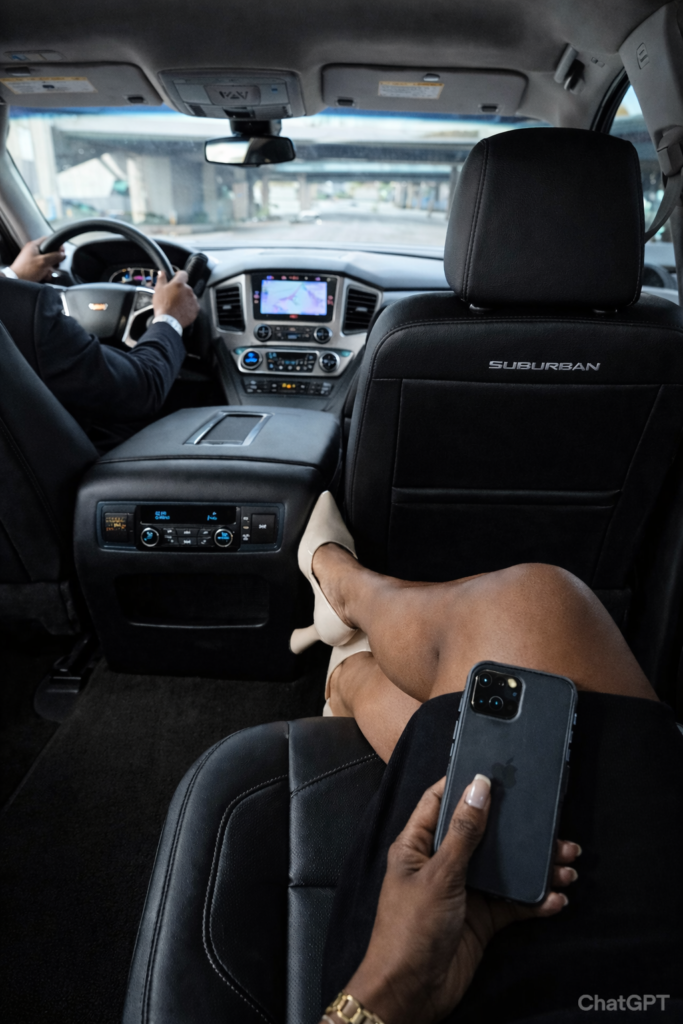
Ground transportation. This is where many otherwise strong travel arrangements fall apart. A corporate executive arriving at Philadelphia International Airport at 10 PM after a cross-country flight needs a confirmed, professional car service already in position, not a ride-share app and a surge-pricing surprise.
For EA’s coordinating travel through the Philadelphia region, Delux Limousines provides professional executive car service to and from PHL, as well as transfers to EWR, JFK, and other regional airports. Consistent, pre-confirmed ground transportation is the kind of detail that experienced EAs build into every executive itinerary from the start because it removes a variable that can undermine everything else. Service details are available at dltsl.com/services.
Dining and itinerary details. Restaurant reservations that account for dietary requirements and timing, building blocks for a business dinner that runs long, and local recommendations that reflect the executive’s preferences rather than a generic list.
Documentation. All booking confirmations, hotel contacts, ground transportation details, and meeting addresses in a single accessible document the executive can reference from their phone.
Building an EA Toolkit for 2026

The technology an executive assistant uses shapes how effectively they can do the job. A well-chosen toolkit reduces manual effort, minimizes errors, and creates the kind of organized systems that scale as responsibilities grow.
| Category | Common Tools | Primary Use |
|---|---|---|
| Calendar and scheduling | Google Calendar, Outlook, Calendly | Schedule management, meeting coordination |
| Communication | Microsoft Teams, Slack, WhatsApp | Cross-channel messaging, real-time coordination |
| Travel management | TripIt Pro, Concur, Egencia | Itinerary organization, expense tracking |
| Project management | Asana, Trello, Monday.com | Task tracking, project coordination |
| Document creation | Microsoft 365, Google Workspace | Reports, presentations, correspondence |
| CRM | Salesforce, HubSpot | Client relationship tracking |
| AI assistance | ChatGPT, Claude, Copilot | Drafting, research, summarization |
The right selection depends on the organization’s existing infrastructure. Most EAs don’t choose their tools independently but benefit from understanding each category well enough to optimize whatever system is in place.
Career Path and Advancement
The executive assistant career path is more dynamic in 2026 than it was ten years ago. The skills developed in a senior EA role, specifically operational thinking, stakeholder management, communication at the executive level, and project coordination, translate directly into several adjacent career directions.
Chief of Staff is the most natural progression for senior EAs at larger organizations. This role formalizes the strategic partnership aspect of the EA function and involves explicit responsibility for organizational operations, team coordination, and executive priorities at a leadership level.
Operations Manager or Director is another common transition. EAs who have been coordinating cross-functional work, managing vendor relationships, and overseeing logistics are often well-positioned for operational leadership roles.
Project Management is a natural path for EAs who have strong process skills and enjoy the coordination and delivery side of the work. Many EAs pursue PMP certification to formalize this transition.
Human Resources and People Operations attracts EAs who have developed strong interpersonal skills, conflict navigation experience, and an understanding of organizational culture from their proximity to senior leadership.
The career ceiling for executive assistants is not what it was. Many chief of staff roles and even executive leadership positions are held by people who developed their careers through administrative and EA functions.
Writing a Strong EA Resume in 2026
For executive assistants looking to move roles or advance, the resume is where the first impression is made. In 2026, that means understanding how applicant tracking systems (ATS) work and ensuring the document is written for both software screening and human review.
ATS-friendly keywords for EA resumes should include specific, relevant phrases: calendar management, executive travel coordination, stakeholder communication, meeting preparation, confidential document handling, C-suite support, project coordination, and multi-time-zone scheduling. Generic descriptions of being “detail-oriented” or “a strong communicator” add little without concrete examples attached.
Quantify impact where possible. “Managed complex travel itineraries for a C-suite team of six executives across 12 countries” is more informative than “responsible for travel arrangements.”
List tools explicitly. Hiring managers and ATS systems both look for specific software names. Microsoft 365, Salesforce, Asana, Concur, and Zoom should appear in skills sections if they’re genuinely part of your experience.
Tailor each application. EA roles vary significantly between industries. A legal executive assistant and a tech startup EA may share the same job title but operate in very different environments. The resume should reflect the language and priorities of the specific role.
Common Interview Questions for EA Roles

Interview preparation for executive assistant positions benefits from having specific, concrete answers ready for a predictable set of questions.
“How do you prioritize when multiple executives have conflicting requests?”
The strongest answers describe a specific system: assessing urgency against impact, communicating transparently with both parties about constraints, and making a reasoned judgment rather than defaulting to whoever asked first.
“Describe a time you handled a sensitive or confidential situation.”
The content of the answer matters less than the demonstration that discretion is a genuine professional value, not a theoretical one.
“How do you manage complex travel when plans change last minute?”
This is a practical competency question. Concrete examples of rerouting, rebooking, and communicating clearly under time pressure are more convincing than general statements about being calm under pressure.
“How have you used technology to improve your workflow?”
This is an opportunity to mention specific tools, describe a process improvement, and demonstrate that you approach the role with an operational mindset.
What Makes an EA Genuinely Indispensable
The executive assistants who are most valued by their executives share a quality that goes beyond technical skill or organizational capability. They think like their executive thinks. They anticipate what matters before being told. They make decisions within their scope confidently and bring only the decisions that genuinely require the executive to the executive.
That level of partnership takes time to develop. It requires trust built through consistent, high-quality work over months or years. It also requires the EA to actively invest in understanding the executive’s priorities, communication style, working preferences, and professional context.
In 2026, this relationship is shaped partly by technology and partly by the expanding scope of the role. But at its core, the value of a great executive assistant is still fundamentally human: the judgment, the discretion, the proactive thinking, and the reliability that no software platform can replicate.
A Note on Philadelphia-Area Executive Support
For executive assistants coordinating travel and logistics in the Philadelphia region, ground transportation is one of the most consistently challenging pieces to manage reliably. Center City traffic, PHL delays, and the logistics of getting a senior executive from the airport to a Midtown meeting without friction require a car service that operates professionally and consistently.
Delux Limousines provides executive airport transfers, corporate car service, and professional chauffeur arrangements across the Philadelphia area. EAs who establish a reliable ground transportation contact remove one of the more unpredictable variables from every executive trip. The team is reachable directly at dltsl.com/contact-us, and client feedback is available on Yelp.
The executive assistant role in 2026 rewards people who treat it as a profession rather than a stepping stone. The skills are real, the impact is measurable, and the career trajectory for those who invest in their craft is genuinely strong. Whether you’re early in the role or building toward a chief of staff position, the fundamentals remain constant: be reliable, be proactive, be discreet, and keep getting better at the systems that make your executive more effective.
For executive assistants managing ground transportation in the Philadelphia area, Delux Limousines offers professional, pre-confirmed car service for executives and corporate clients.
Call: 610-871-8784
WhatsApp: 267-988-3392
Email: reservations@dltsl.com