
You Don’t Need an International Flight to Find a Beach Worth Flying To
Somewhere between the idea of a tropical vacation and the reality of planning one, the passport becomes the sticking point. It’s expired, or it’s in the renewal process, or the trip came together quickly and there simply wasn’t time. For families, the logistics of getting valid passports for every member add cost and lead time that can derail a trip that should have been simple.
The good news is that the best no-passport tropical destinations for U.S. travelers are genuinely excellent. Not consolation prizes. Not “almost as good as the real thing.” Puerto Rico’s bioluminescent bays, St. John’s quiet coves, Maui’s volcanic coastline, Key West’s layered culture, and the Gulf’s quieter barrier islands offer experiences that hold up against anything in the international Caribbean.
This guide covers five destinations worth serious consideration, with practical notes on what each offers, who it suits best, and how to approach the trip intelligently in 2026.
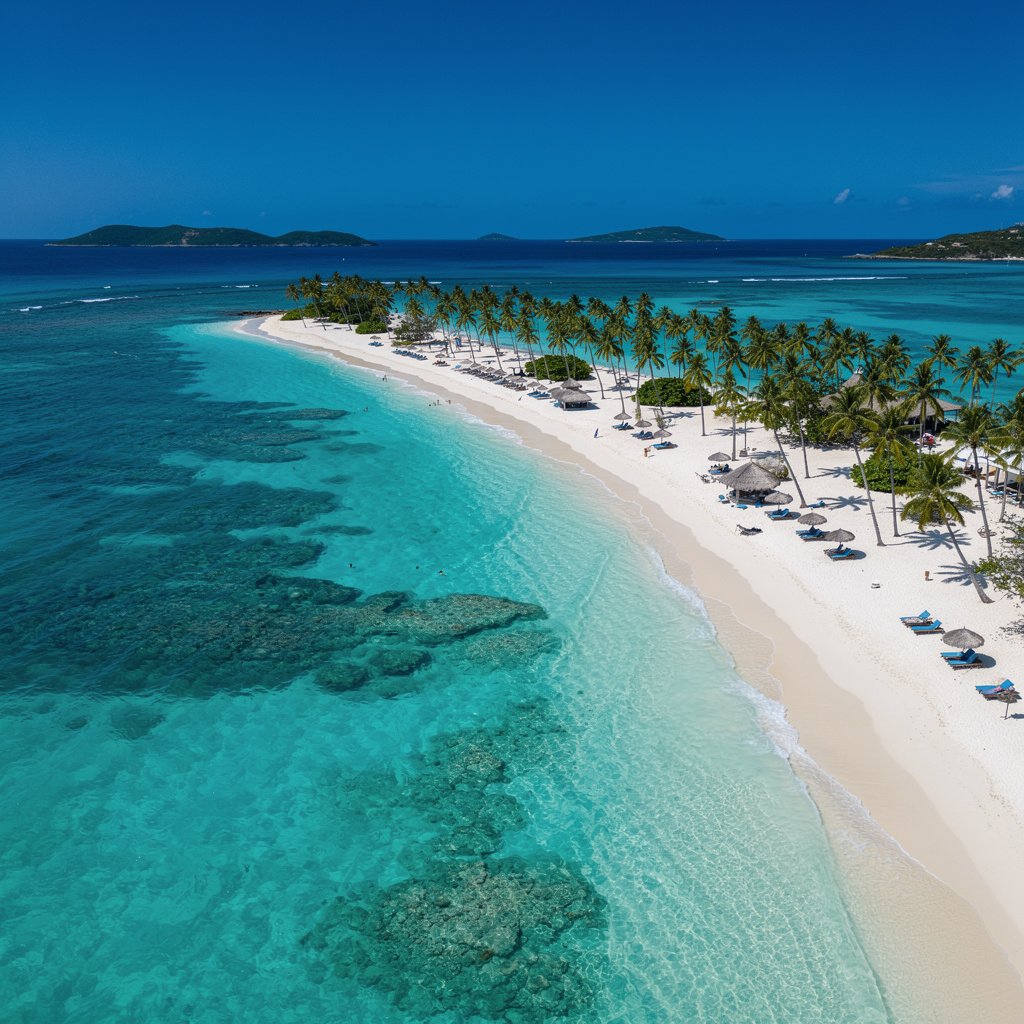
What “No Passport” Actually Means for U.S. Travelers
A quick clarification before the destinations, because the details matter.
U.S. citizens traveling to Puerto Rico, the U.S. Virgin Islands, Hawaii, and other U.S. territories are traveling domestically. There are no customs checks, no immigration queues, and no passport requirement. A REAL ID-compliant driver’s license or other TSA-approved identification is sufficient for the flight.
The REAL ID requirement for domestic air travel in the United States has been in effect since May 2025. If your driver’s license is not REAL ID-compliant (most states now issue compliant licenses automatically, but check for the star marking in the upper right corner), you’ll need a passport card or other accepted document.
One important limitation: these destinations are accessible without a passport from the U.S. mainland, but crossing into adjacent foreign territories is not. Travelers in St. Thomas who want to visit the British Virgin Islands, or in Puerto Rico who want to reach other Eastern Caribbean islands, will need a passport for those excursions.
For closed-loop cruises departing and returning to the same U.S. port, U.S. citizens can visit Caribbean ports with only a birth certificate and government-issued photo ID. A passport is not technically required, though carrying one is strongly recommended for emergency situations or unexpected itinerary changes.
1. Puerto Rico: The Most Capable No-Passport Destination in the Caribbean
Best for: Couples, families, food travelers, adventure seekers, first-time international-style travelers
Puerto Rico earns its position at the top of any no-passport tropical destination list because it offers more variety per square mile than almost anywhere else in the Caribbean. San Juan’s Old City, a UNESCO World Heritage Site, provides architecture, history, and a restaurant scene that has been gaining serious international attention for several years. The beaches range from the developed resort shoreline of Condado and Isla Verde to the quiet, underdeveloped shores of Vieques and Culebra, where the sand is powder-fine and the water is genuinely clear.
El Yunque, the only tropical rainforest in the U.S. National Forest System, sits about an hour from San Juan and offers hiking through mist-covered peaks and past waterfalls that rarely appear on the average tourist itinerary. The bioluminescent bay at Mosquito Bay on Vieques is consistently rated among the brightest in the world, where kayaking at night produces a ghostly blue-green glow in the water around every paddle stroke.
Practical notes for 2026:
Flights to San Juan (SJU) depart from most major U.S. hubs. From Philadelphia International Airport, American Airlines operates direct routes to SJU regularly. Flight time is approximately three hours. Hotels range from boutique historic properties in Old San Juan to large beach resorts along Ashford Avenue in Condado. Vieques and Culebra require a short ferry or puddle-jump flight from San Juan, adding a day of transit but delivering a dramatically quieter experience.
Hurricane season runs June through November. Late fall through spring is the premium travel window, with January through April generally offering the most stable weather and the heaviest tourist volume. Booking accommodations well in advance for December through March travel is advisable.
What to be realistic about: San Juan can be crowded during peak season and during major events. The island’s infrastructure has improved significantly since 2017 but uneven experiences remain possible in less-developed areas. Renting a car is strongly recommended for exploring beyond San Juan.
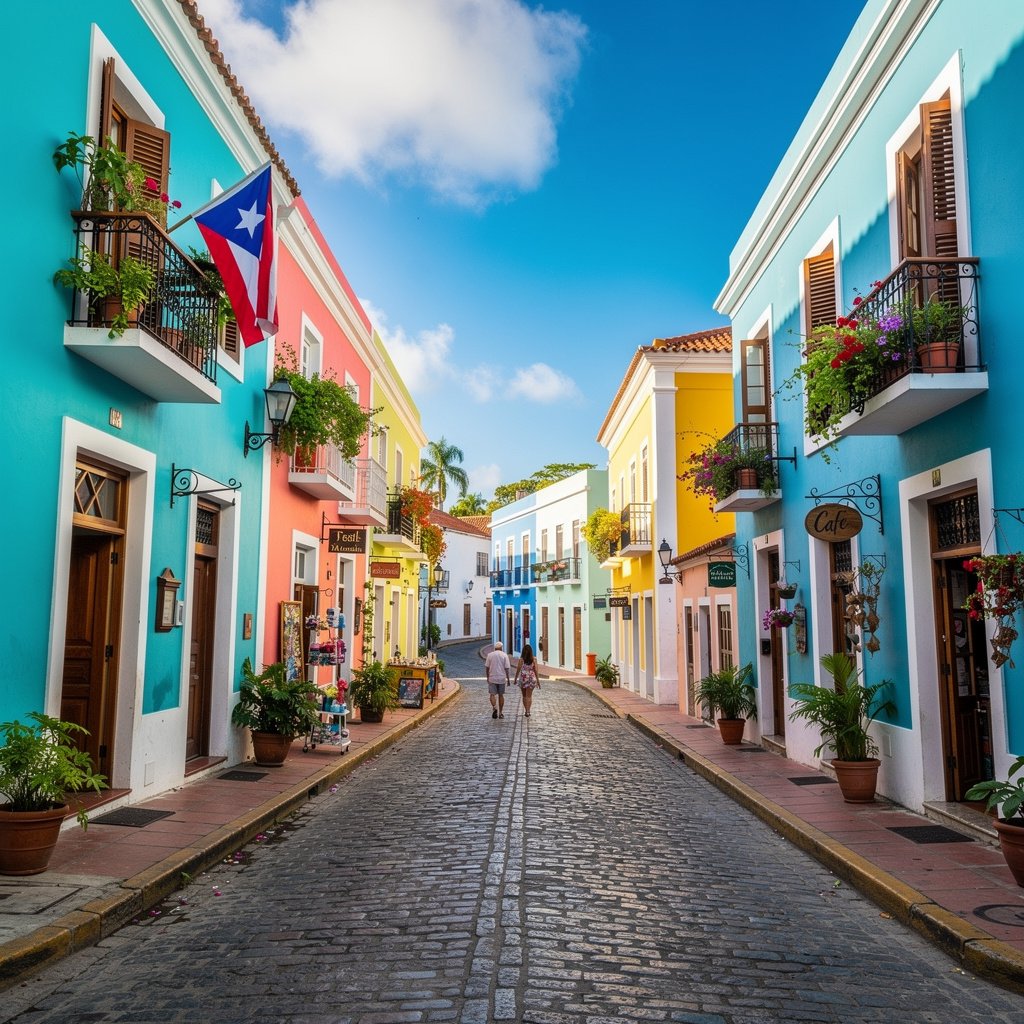
2. U.S. Virgin Islands: Three Islands, Three Very Different Experiences
Best for: Luxury travelers, snorkelers, couples, sailors, families who want a quieter setting
The U.S. Virgin Islands (USVI) consist of three primary islands: St. Thomas, St. John, and St. Croix. Each operates at a distinct pace and offers a different kind of trip.
St. Thomas is the most developed and the gateway. Charlotte Amalie is a functioning port city with duty-free shopping, waterfront dining, and ferry access to St. John. Magens Bay consistently ranks among the most beautiful beaches in the Caribbean, and the hillside views over the harbor are genuinely striking. Resorts here tend toward full-service and polished.
St. John is where the USVI’s quieter character lives. Two-thirds of the island is protected as Virgin Islands National Park, which limits development and keeps the beaches, particularly Trunk Bay and Cinnamon Bay, in a condition that more developed islands can no longer offer. The snorkeling at Trunk Bay’s underwater trail is accessible even to beginners and consistently impressive. St. John has no airport; access is via ferry from St. Thomas (approximately 20 minutes) or from Red Hook, also on St. Thomas.
St. Croix sits 40 miles south and operates almost entirely separately from St. Thomas and St. John. It’s the largest of the three islands and has a more agricultural, unhurried character. Buck Island Reef National Monument, accessible by boat from Christiansted, offers snorkeling around one of the best-preserved elkhorn coral reefs in the Caribbean. St. Croix receives fewer tourists than St. Thomas and suits travelers who want a more local, less resort-heavy experience.
Practical notes for 2026:
Flights to St. Thomas (STT) operate from multiple mainland hubs. American Airlines connects through Miami and Charlotte. United operates from Newark. From Philadelphia, connections through either Miami or Charlotte work well. St. Croix (STX) has its own airport with connections, primarily through San Juan.
The USVI shares U.S. customs and immigration status with the mainland. No passport is required. No customs declaration on return. Standard domestic travel rules apply.
3. Hawaii: The Longest Domestic Flight with the Best Payoff
Best for: Honeymooners, families, nature travelers, luxury resort guests, anyone who wants genuine tropical diversity
Hawaii requires a commitment. From the East Coast, including Philadelphia, the flight to Honolulu (HNL) runs approximately ten hours. From the West Coast, it’s five to six hours. That’s a real investment of travel time, and it’s worth factoring into the decision when comparing it to the three-hour flight to Puerto Rico.
What Hawaii offers in return is scale and variety that no other U.S. territory can match. Four main islands, each with a distinct character, serve different types of travelers.
Oahu is where Honolulu and Waikiki Beach sit. It’s the most accessible, the most developed, and the best infrastructure for first-time visitors. Pearl Harbor and the North Shore’s surfing culture add historical and cultural depth beyond beach tourism.
Maui is widely considered the premium option for luxury travel, with resorts along the Kaanapali and Wailea coastlines that rank among the finest in the Pacific. The road to Hana, a coastal drive through rainforest and past waterfalls and black sand beaches, is one of the genuinely distinctive experiences in American travel.
Kauai is Hawaii’s least developed major island and its most visually dramatic. The Na Pali Coast, accessible only by boat, helicopter, or a demanding hiking trail, produces some of the most photographed landscapes in the United States. Poipu Beach consistently ranks among the best family beaches in the country.
The Big Island (Hawaii Island) offers active volcanoes, black and green sand beaches, manta ray night snorkeling, and astronomy from Mauna Kea that is legitimate world-class. It’s the most geographically diverse island and the one that rewards curious, adventurous travelers most.
Practical notes for 2026:
Hawaii is entirely domestic travel. No passport, no customs, no international travel documentation of any kind. Book flights well in advance, particularly for Kauai (LIH) and Maui (OGG), which have limited direct service from East Coast airports. Interisland flights are short (30 to 60 minutes) and allow multi-island itineraries. Rental cars are essential on all islands except parts of Oahu.
4. The Florida Keys: Accessible, Diverse, and Underestimated
Best for: Weekend trips, couples, divers, anglers, drive-from-anywhere travelers
The Florida Keys are a 120-mile chain of islands extending southwest from the Florida mainland into the Gulf of Mexico and Atlantic. Key West, the southernmost point in the continental United States, is 90 miles from Cuba and operates with an energy entirely its own. The combination of Hemingway history, Duval Street nightlife, spectacular sunsets at Mallory Square, and water sports on Smathers Beach creates a destination that rewards multiple visits.
What the Keys offer as a no-passport tropical destination is convenience. Travelers who drive from Miami or Fort Lauderdale, or fly into Key West (EYW) directly, can be in a genuinely tropical environment without international travel complexity. The upper and middle Keys, including Marathon and Islamorada, are quieter and more oriented toward diving and fishing than Key West’s tourist-heavy main street.
John Pennekamp Coral Reef State Park in Key Largo is the first undersea park in the United States and offers snorkeling and diving in a protected reef environment that genuinely surprises visitors who underestimate Florida’s marine life.
Practical notes for 2026:
Key West has a small regional airport with connections through Miami and other Florida hubs. Most visitors drive via the Overseas Highway, a journey that is itself scenic once you’re south of Florida City. Overnight parking in Key West’s Old Town is challenging and expensive; many visitors stay in the vicinity of Smathers Beach or beyond and use bikes or scooters for in-town movement. Accommodation pricing in Key West is among the highest in Florida, particularly from December through April.
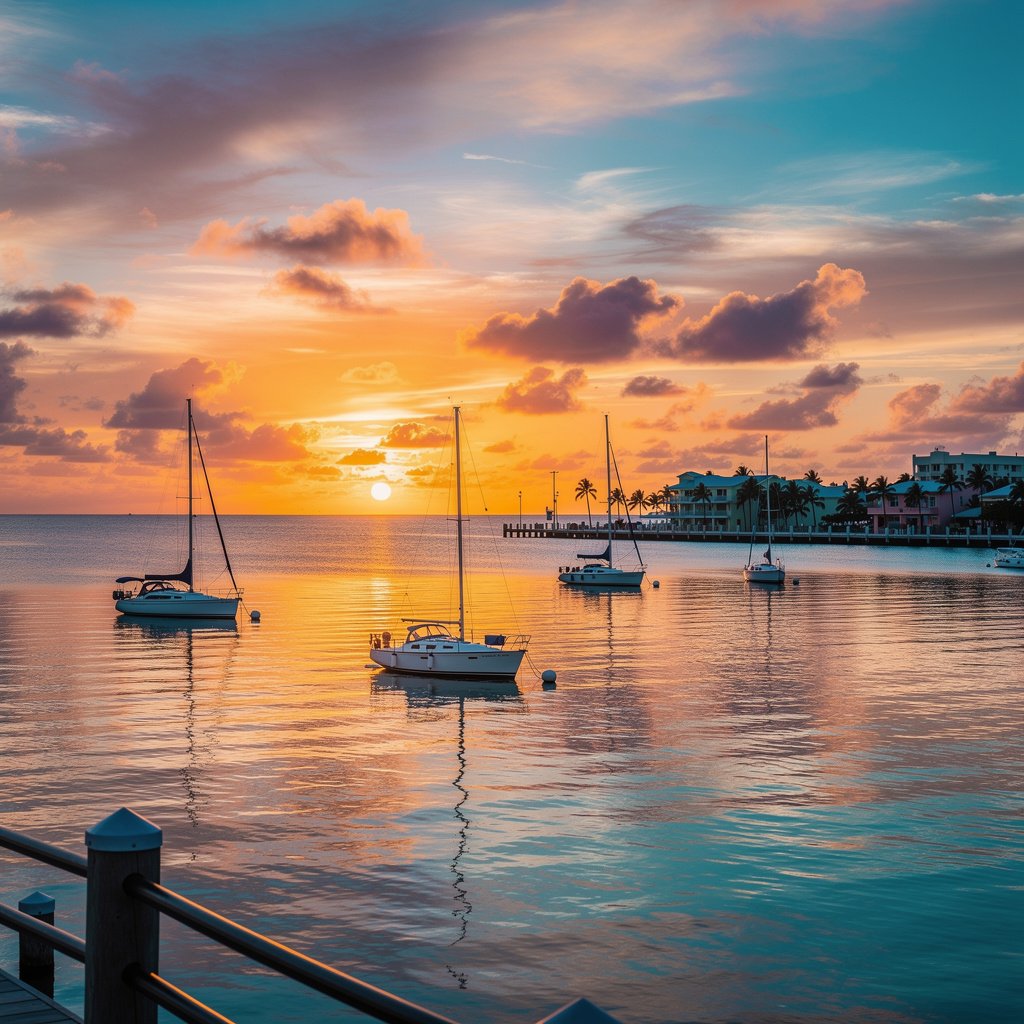
5. Anna Maria Island, Florida: The Gulf’s Best-Kept Secret
Best for: Families, couples, beach purists, travelers who want calm over crowd
Anna Maria Island sits off the west coast of Florida between Bradenton and Sarasota, accessible via the Anna Maria Island Bridge. It’s a seven-mile barrier island with a character that the more famous Gulf Coast beaches, Clearwater and St. Pete Beach, have largely lost to development. AMI has no chain hotels, no high-rise condos, and a local ordinance protecting the community scale that has defined the island for decades.
The Gulf shoreline here is classic Gulf: warm, calm water, white sand that stays cool underfoot even in summer, and sunsets that compete with Key West for sheer spectacle. Pine Avenue in Anna Maria City has independent shops, waterfront restaurants, and a pace that suits travelers who find busier destinations exhausting rather than energizing.
For families specifically, AMI delivers a safe, walkable, low-stress beach environment. Children’s beach rentals, shallow water entry, and a community atmosphere make it a genuinely family-oriented destination without the theme-park intensity of Orlando or the crowd density of Clearwater.
Practical notes for 2026:
The closest major airport is Sarasota Bradenton International (SRQ), with service from multiple mainland hubs. Tampa International (TPA) is approximately an hour’s drive and offers more flight options, including direct service from Philadelphia. There’s no bridge from the mainland to AMI from the south; the northern bridge off Manatee Avenue is the primary access. Rental cars are necessary. Vacation rental homes are the dominant accommodation type, with many booking six to twelve months in advance for winter and spring season.
Quick Comparison: Which Destination Suits Your Trip?
| Destination | Flight from Philly | Best Season | Passport Needed |
|---|---|---|---|
| Puerto Rico | 3 hours (direct) | Jan-April | No |
| U.S. Virgin Islands | 3-4 hours (connection) | Dec-April | No |
| Hawaii (Maui/Kauai) | 10+ hours (connection) | Year-round | No |
| Key West, Florida | 3 hours (connection) | Nov-April | No |
| Anna Maria Island, FL | 2-3 hours (via TPA) | Oct-April | No |
Planning Your Departure from Philadelphia
For Philadelphia-area travelers, the starting point for any of these trips is Philadelphia International Airport (PHL). American Airlines operates direct routes to San Juan (SJU), and connections through Miami, Charlotte, and Atlanta reach all five destinations efficiently.
The drive to PHL from Center City typically runs 20 to 25 minutes outside of peak hours, but departures during summer weekend mornings, holiday periods, or events in South Philadelphia can push that timeline considerably. For families traveling with luggage, or groups departing together, a pre-confirmed car service to PHL removes the parking logistics entirely and ensures everyone arrives at departures together and on time.
Delux Limousines handles airport departures and arrivals for travelers throughout the Philadelphia region. Whether you’re leaving for a week in Puerto Rico or returning from the Virgin Islands, having transportation confirmed in both directions means the trip starts and ends without friction. Service options are listed at dltsl.com/services.
Frequently Asked Questions
Do I need a REAL ID to fly to Puerto Rico or the U.S. Virgin Islands?
Yes. As of May 2025, REAL ID-compliant identification is required for all domestic air travel, including flights to U.S. territories. A REAL ID driver’s license, passport card, or other TSA-approved document satisfies this requirement. A full passport book is not required but is always accepted.
Can I visit the British Virgin Islands from St. Thomas without a passport?
No. The BVI are a separate British Overseas Territory. A U.S. passport is required for entry. This is a common source of confusion for travelers in St. Thomas who see the BVI islands from shore and assume they’re part of the same jurisdiction.
What’s the best no-passport destination for a first-time tropical trip?
Puerto Rico offers the strongest combination of accessibility, variety, and infrastructure for first-time tropical travelers. The flights are short, English is widely spoken, U.S. currency is used, and the options range from resort-style to genuinely adventurous.
Is hurricane season a real concern for these destinations?
Yes. The Atlantic hurricane season runs June 1 through November 30, with peak activity from mid-August through mid-October. Puerto Rico, the USVI, and the Florida Keys are all within the hurricane corridor. Travel insurance that includes weather cancellation coverage is strongly recommended for travel during these months.
Can I take a cruise to these destinations without a passport?
For closed-loop cruises departing and returning to the same U.S. port, a passport is technically not required. A birth certificate and government-issued photo ID are the minimum requirement under U.S. law. However, carrying a passport is strongly recommended. If a medical emergency requires evacuation to a foreign country, re-entry to the U.S. without a passport becomes significantly more complicated.
Choosing Your Destination
The best no-passport tropical destinations for U.S. travelers offer genuine variety. Puerto Rico suits travelers who want Caribbean culture, beach options, and food worth traveling for. The U.S. Virgin Islands reward those willing to slow down and invest in the water itself. Hawaii is the right call when the trip budget and time allow a longer journey for a correspondingly deeper experience. The Florida Keys and Anna Maria Island serve travelers who want accessible, domestic tropical environments with less planning complexity.
None of these destinations require a passport. All of them require a good plan.
For the Philadelphia-area traveler, that plan starts at PHL. Delux Limousines provides professional airport car service for departing and arriving travelers, including families with children, corporate groups, and couples planning special trips. Contact the team at dltsl.com/contact-us to discuss your travel dates. Reviews from Philadelphia clients are available on Yelp.
Call: 610-871-8784
WhatsApp: 267-988-3392
Email: reservations@dltsl.com