Introduction
Coordinating group transportation for Super Bowl LX on February 9, 2026, becomes exponentially more complex when guests arrive at different Bay Area airports. A corporate event planner or family coordinator managing arrivals at San Francisco International Airport (SFO), Oakland International Airport (OAK), and San Jose Mineta International Airport (SJC) faces challenging logistics: staggered flight times, varying terminal locations, and the need to consolidate guests efficiently before proceeding to hotels or Levi’s Stadium. A Bay Area Super Bowl Limo service with multi-airport coordination capability transforms this complexity into manageable, professional execution.
Most transportation providers operate on single-trip models requiring separate bookings for each airport pickup. This fragmented approach creates coordination nightmares as lead planners track multiple drivers, manage separate payment transactions, and hope all pieces align correctly. Professional multi-airport coordination through dedicated Bay Area Super Bowl Limo services offers superior solutions: single point of contact, unified fleet management, and strategic routing that consolidates guests efficiently.
This advanced logistics guide presents proven strategies for booking one comprehensive service covering all three major Bay Area airports. Understanding airport geography, timing coordination techniques, and professional provider capabilities enables lead planners to execute flawless multi-location pickups that impress guests and eliminate stress.
Understanding Bay Area Airport Geography
The Three-Airport Triangle Configuration
The Bay Area’s three major commercial airports form a geographic triangle spanning approximately 60 miles. San Francisco International Airport sits on the Peninsula’s east side, 13 miles south of downtown San Francisco. Oakland International Airport lies directly across the Bay to the east, serving the East Bay communities. San Jose Mineta International Airport anchors the triangle’s southern point in the heart of Silicon Valley.
This geographic distribution means groups arriving at different airports face significant distances between locations. SFO to OAK requires Bay Bridge crossing, approximately 25 miles and 30-45 minutes drive time depending on traffic. SFO to SJC spans roughly 35 miles southward along Highway 101, requiring 35-50 minutes. OAK to SJC traverses 40 miles with 45-60 minute drive times through varying traffic conditions.
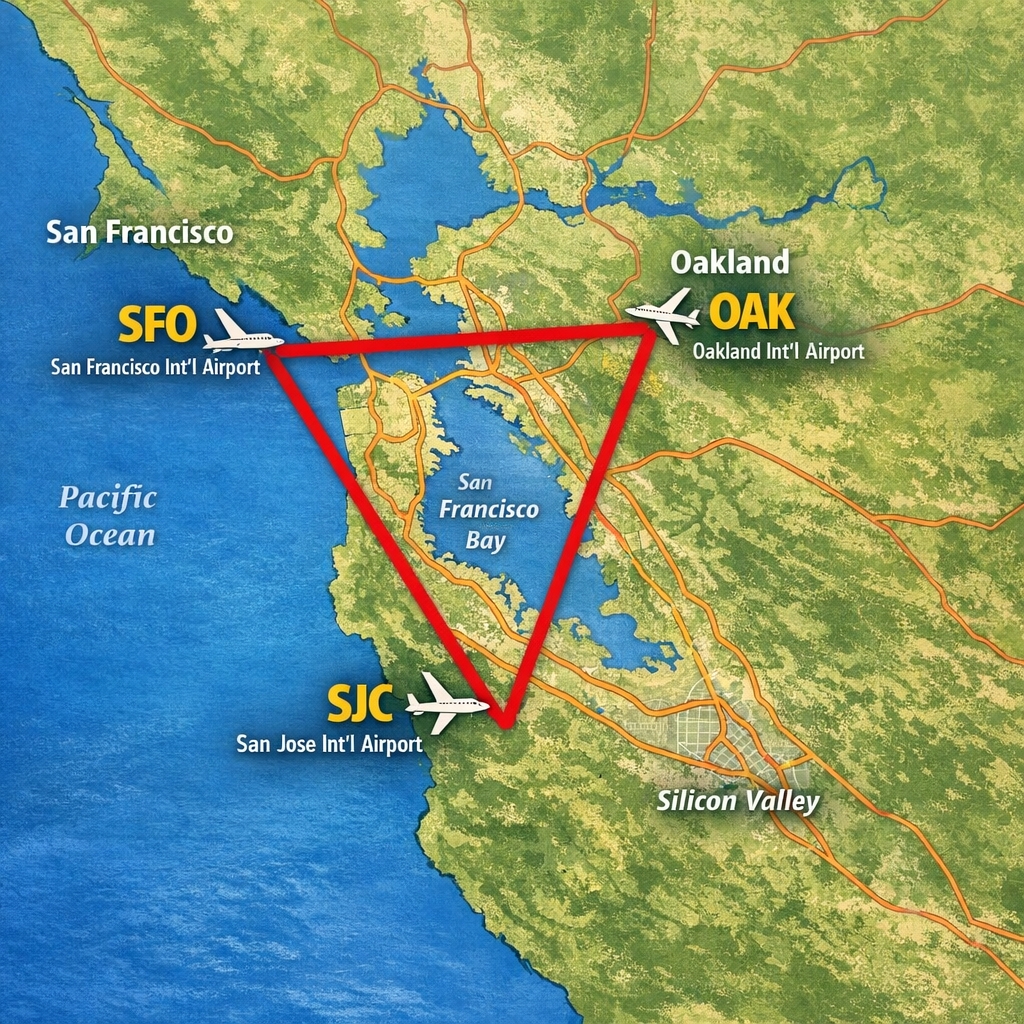
A Bay Area Super Bowl Limo coordinator must understand these distances when planning consolidated pickup strategies. The geographic spread creates natural routing considerations that professional planners optimize through strategic scheduling and vehicle deployment.
Airport-Specific Logistics Challenges
Each airport presents unique operational characteristics affecting pickup coordination. SFO’s four-terminal configuration spreads arriving passengers across significant distances. International Terminal, Terminal 1, Terminal 2, and Terminal 3 each maintain separate baggage claim areas and ground transportation zones. Domestic flights typically arrive at Terminals 1, 2, or 3 depending on carrier, while some transcontinental flights use the International Terminal.
Oakland Airport offers simpler two-terminal layout with Terminal 1 serving Southwest Airlines and Terminal 2 handling all other carriers. The more compact configuration enables faster passenger processing and ground transportation access. However, Oakland’s location requires bridge crossings to reach San Francisco or Peninsula destinations, adding time and potential traffic complications.
San Jose Airport maintains two terminals connected by walkways, with most domestic flights arriving at Terminal B. The airport’s proximity to Levi’s Stadium (approximately 10 miles) makes it attractive for guests prioritizing stadium access over San Francisco tourism. Professional Bay Area Super Bowl Limo services account for these airport-specific factors when developing consolidated pickup strategies.
Table: Bay Area Airport Quick Reference
| Airport | Distance to Levi’s Stadium | Terminal Count | Primary Carriers |
|---|---|---|---|
| SFO | 20 miles, 25-35 minutes | 4 terminals | United, Alaska, American |
| OAK | 30 miles, 35-50 minutes | 2 terminals | Southwest, Alaska, Spirit |
| SJC | 10 miles, 15-25 minutes | 2 terminals | Southwest, Alaska, American |
Strategic Coordination Approaches
Sequential Pickup Strategy
The most common multi-airport coordination approach involves sequential pickups where one vehicle visits airports in geographic sequence. A Bay Area Super Bowl Limo begins at the first airport with earliest arriving guests, collects passengers and luggage, then proceeds to the second airport, and finally the third airport before delivering the consolidated group to their destination.
This strategy works best when flight arrival times naturally stagger with 60-90 minute intervals. If the first group lands at SFO at 10:00 AM, second group at OAK at 11:30 AM, and third group at SJC at 1:00 PM, sequential routing provides efficient consolidation. The vehicle collects SFO guests, drives to Oakland (30-40 minutes), picks up the second group who have completed baggage claim by arrival time, then continues to San Jose for the final pickup.
Professional coordination requires precise timing calculations accounting for baggage claim delays, customs processing for international arrivals, and traffic variables between airports. Experienced Bay Area Super Bowl Limo coordinators build appropriate buffers preventing early groups from excessive waiting while ensuring later groups don’t arrive to find vehicles already departed.
Parallel Multi-Vehicle Deployment
When guest arrival times overlap tightly without natural staggering, parallel deployment using multiple vehicles from the same service provider offers superior solutions. The Bay Area Super Bowl Limo service assigns separate vehicles to each airport simultaneously, then consolidates guests at a central meeting point before proceeding to final destinations.
This approach eliminates extended wait times that sequential pickups can create. Each guest group receives immediate vehicle assignment upon landing rather than waiting for pickups at other airports to complete. Vehicles converge at predetermined consolidation points: hotel lobbies, restaurant parking lots, or designated staging areas convenient to all three airport routes.
The trade-off involves higher cost as multiple vehicles deploy versus single-vehicle sequential routing. However, for time-sensitive arrivals or VIP guests who expect immediate service, parallel deployment justifies the premium investment. Professional coordinators analyze specific arrival schedules and guest expectations to recommend optimal strategies.
Hub-and-Spoke Collection Model
An advanced coordination technique employs a central hub location where individual airport transfers deliver guests for consolidation before final group transport. A Bay Area Super Bowl Limo service coordinates separate airport pickups using smaller vehicles (sedans or SUVs), brings all guests to a central hotel or meeting facility, then deploys a large Sprinter van or bus for unified transport to Levi’s Stadium or other destinations.
This model works particularly well for corporate groups where some guests arrive the night before while others land on game day morning. The hotel serves as natural consolidation point where early arrivals await later guests in comfortable lobby environments. Once the full group assembles, unified transport to the stadium maintains group cohesion and simplifies logistics.
The hub-and-spoke approach requires more complex coordination but provides maximum flexibility for varying arrival times and guest preferences. Lead planners benefit from simplified day-of coordination as all guests converge at known locations rather than tracking multiple airport pickups simultaneously.
Flight Tracking and Real-Time Coordination
Automated Flight Monitoring Systems
Professional Bay Area Super Bowl Limo services deploy automated flight tracking technology monitoring all incoming flights in real-time. When lead planners provide complete flight details (airlines, flight numbers, origin cities), the system tracks departures, en-route progress, and arrival estimates automatically. Delays trigger immediate notifications allowing coordinators to adjust pickup timing proactively.
This technology proves essential for multi-airport coordination where timing precision determines success. If the SFO flight delays 45 minutes while OAK and SJC flights arrive on schedule, real-time alerts enable route adjustments. The chauffeur might reverse pickup sequence, collecting on-time OAK guests first rather than waiting at SFO for delayed arrivals.
Lead planners receive text or email updates about flight status changes, allowing proactive guest communication. Informing arriving passengers about adjusted pickup timing prevents confusion and demonstrates professional coordination. This transparency builds confidence that transportation logistics remain under expert management despite inevitable flight irregularities.
Direct Chauffeur Communication Channels
Beyond automated systems, direct communication between lead planners and assigned chauffeurs enables adaptive coordination responding to real-world complications. When one guest group faces extended baggage claim delays, chauffeurs communicate status updates and recommend timing adjustments for subsequent airport pickups.
A Bay Area Super Bowl Limo coordinator establishes clear communication protocols before arrival day: primary contact phone numbers, backup contacts if primaries become unreachable, and decision-making authority for timing adjustments. This preparation prevents confusion when rapid decisions become necessary during active coordination.
Text messaging provides optimal communication during airport operations as phone calls can become impractical in noisy terminal environments. Professional chauffeurs maintain dedicated business lines enabling reliable message delivery and rapid response to coordination questions or special requests.
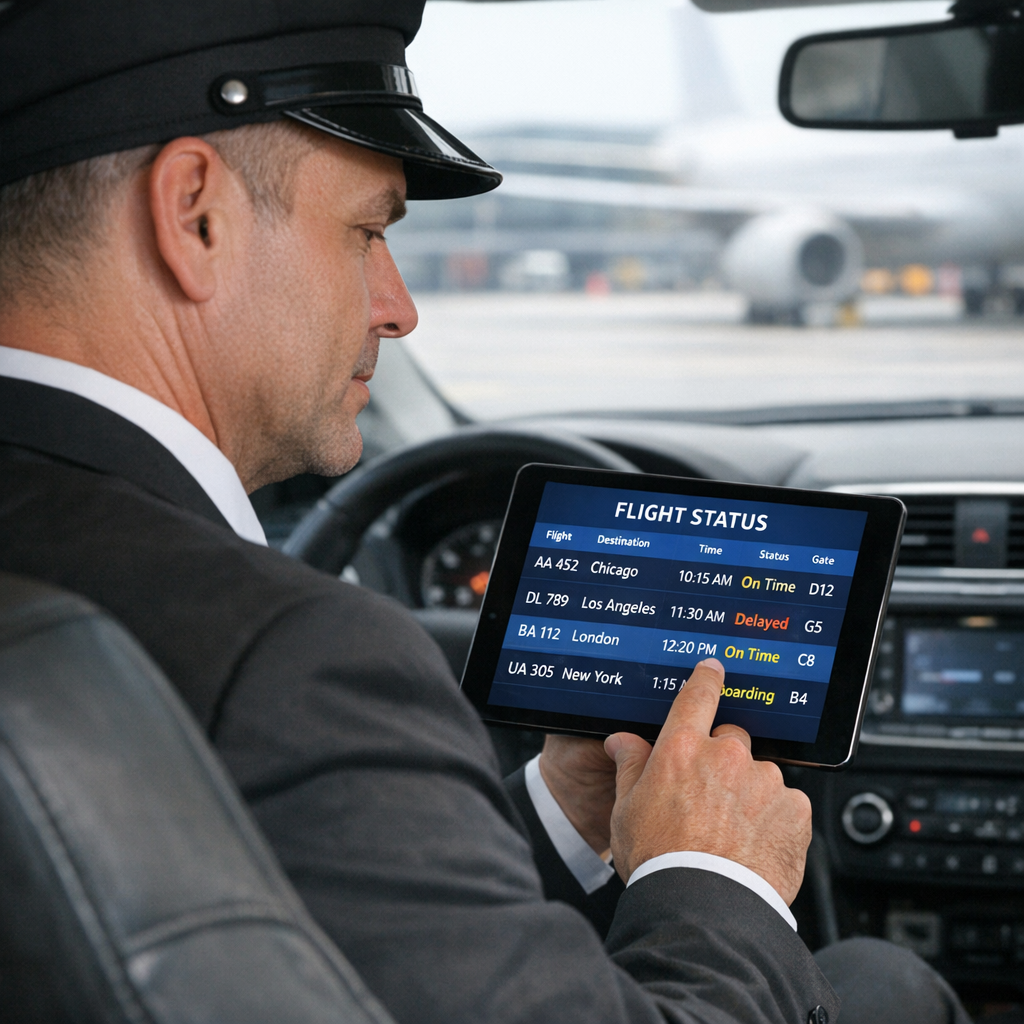
Passenger-to-Chauffeur Connection Systems
Modern coordination includes direct passenger communication with assigned chauffeurs upon landing. As guests clear baggage claim, they text chauffeurs confirming readiness for pickup. This eliminates estimation guesswork about baggage claim duration, customs processing time, or passenger location within terminals.
Chauffeurs provide vehicle descriptions, exact pickup zone locations, and estimated arrival times to designated spots. This precise coordination prevents the common frustration of passengers and drivers searching for each other in crowded airport ground transportation areas. Clear communication creates smooth, professional first impressions.
Vehicle Selection for Multi-Airport Coordination
Sprinter Van Optimal Capacity
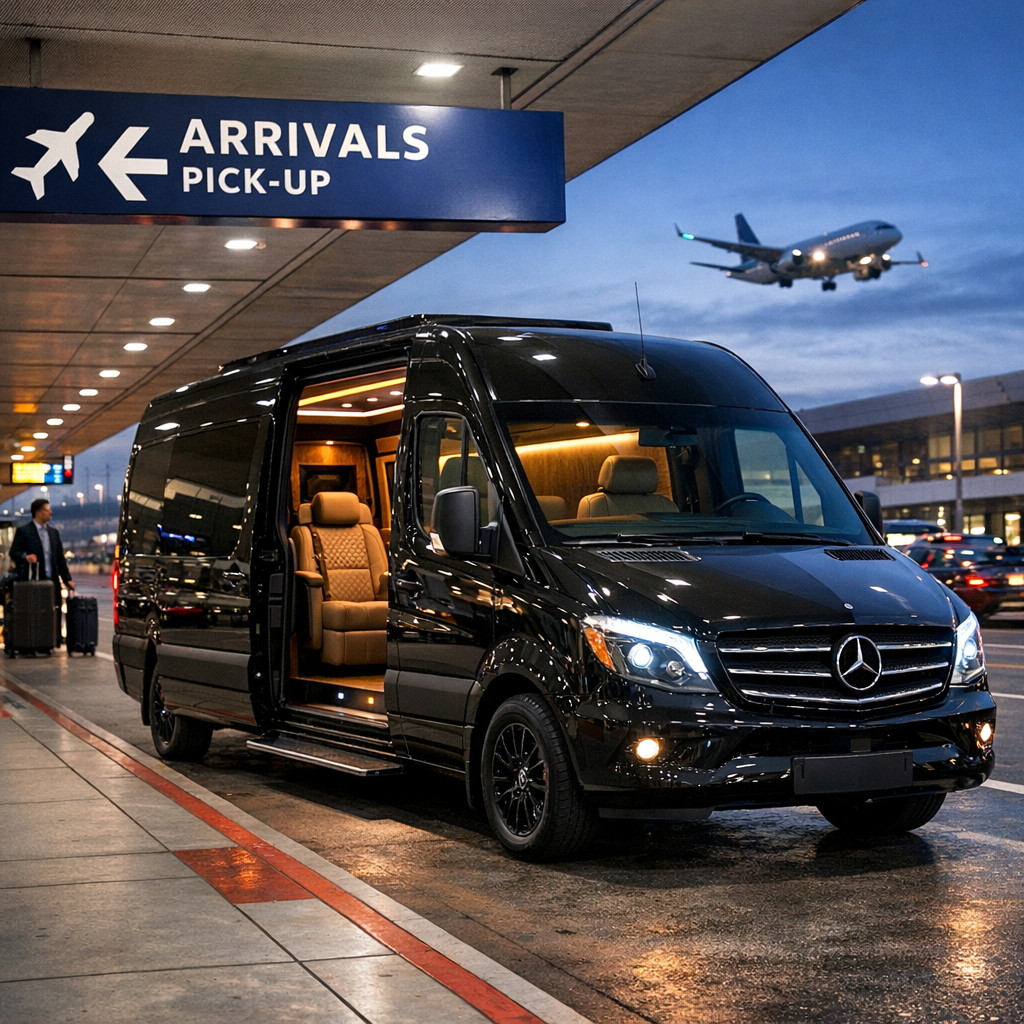
Mercedes Sprinter vans represent ideal vehicles for consolidated multi-airport pickups. Seating capacity of 10-14 passengers accommodates substantial groups while generous cargo space handles luggage from multiple flights. Executive interior configurations maintain luxury standards with leather seating, climate control zones, and entertainment systems.
A Bay Area Super Bowl Limo service utilizing Sprinter vans provides the versatility that multi-airport coordination demands. The vehicles comfortably transport full groups once consolidated while remaining maneuverable enough for efficient airport terminal navigation. Professional chauffeurs trained specifically in larger vehicle operation ensure safe, comfortable transport despite size.
Luggage capacity proves critical for groups arriving from cross-country or international origins. Business travelers carry briefcases and laptops. Families bring multiple checked bags. Sports enthusiasts pack team gear and tailgating equipment. Sprinter vans accommodate these varied luggage requirements without forcing uncomfortable passenger-cargo trade-offs.
Executive SUV Fleet Coordination
Smaller groups arriving across multiple airports might optimize costs through coordinated executive SUV deployment rather than single large vehicles. Three Cadillac Escalades or Lincoln Navigators collecting passengers at each airport simultaneously, then converging for group activities, provide flexibility impossible with single-vehicle approaches.
This fleet coordination through unified Bay Area Super Bowl Limo services maintains consistent quality standards and simplified billing despite multiple vehicles. Lead planners communicate with single account managers rather than coordinating separate providers at each airport. Fleet dispatchers track all vehicles centrally, ensuring timing synchronization and addressing issues proactively.
Table: Vehicle Selection for Multi-Airport Groups
| Group Size | Recommended Vehicle | Key Advantages |
|---|---|---|
| 4-6 passengers | Luxury SUV (single vehicle sequential) | Cost-efficient, comfortable, adequate luggage |
| 7-14 passengers | Mercedes Sprinter Van | Optimal capacity, group unity, ample cargo |
| 15+ passengers | Multiple Sprinters or Motor Coach | Necessary capacity, potential cost savings |
Luxury Sedan for Small Executive Groups
Corporate executives arriving for client entertainment might comprise small groups of 2-4 people across multiple airports. BMW 7 Series or Mercedes S-Class sedans provide appropriate professional image while remaining cost-effective for limited passenger counts. Sequential airport pickups with luxury sedans work well when luggage volumes stay modest.
The intimate sedan environment facilitates business discussions during consolidation drives. Corporate teams can debrief about flight meetings, discuss stadium event strategies, or simply relax in sophisticated comfort. Professional Bay Area Super Bowl Limo chauffeurs understand executive service expectations, providing appropriate formality and discretion.
Timing Calculation and Buffer Management
Realistic Timeline Development
Successful multi-airport coordination requires realistic timeline calculations accounting for all delay variables. Baggage claim at major airports averages 20-30 minutes for domestic flights and 30-45 minutes for international arrivals during normal operations. Super Bowl weekend travel volumes may extend these timeframes as systems handle peak passenger loads.
Ground transportation pickup zones add 5-10 minutes from baggage claim exit to vehicle boarding. Professional Bay Area Super Bowl Limo chauffeurs position vehicles optimally, but airport ground transportation regulations require specific waiting areas that may involve short walks or shuttle connections depending on terminal configurations.
Transit time between airports varies significantly based on traffic conditions. SFO to OAK via Bay Bridge requires 30-45 minutes during light traffic but can extend to 60-75 minutes during commute hours or accident delays. Professional coordination builds conservative estimates preventing late arrivals and guest frustration.
Strategic Buffer Incorporation
Experienced lead planners incorporate timing buffers protecting against common delays without creating excessive wait periods. A 30-minute buffer between first pickup completion and second airport arrival provides cushion for minor delays while remaining reasonable for passengers already aboard vehicles.
These buffers serve dual purposes: absorbing unexpected delays and providing contingency time for route adjustments when traffic complications arise. A Bay Area Super Bowl Limo chauffeur encountering bridge traffic can communicate with dispatch about alternative routes, utilize buffer time to implement adjustments, and maintain overall schedule integrity.
Communication transparency about timing buffers prevents passenger anxiety. When lead planners explain that conservative scheduling builds in delay protection, guests appreciate the professional approach rather than viewing buffers as wasted time. This expectation management proves particularly important for business travelers accustomed to efficiency.
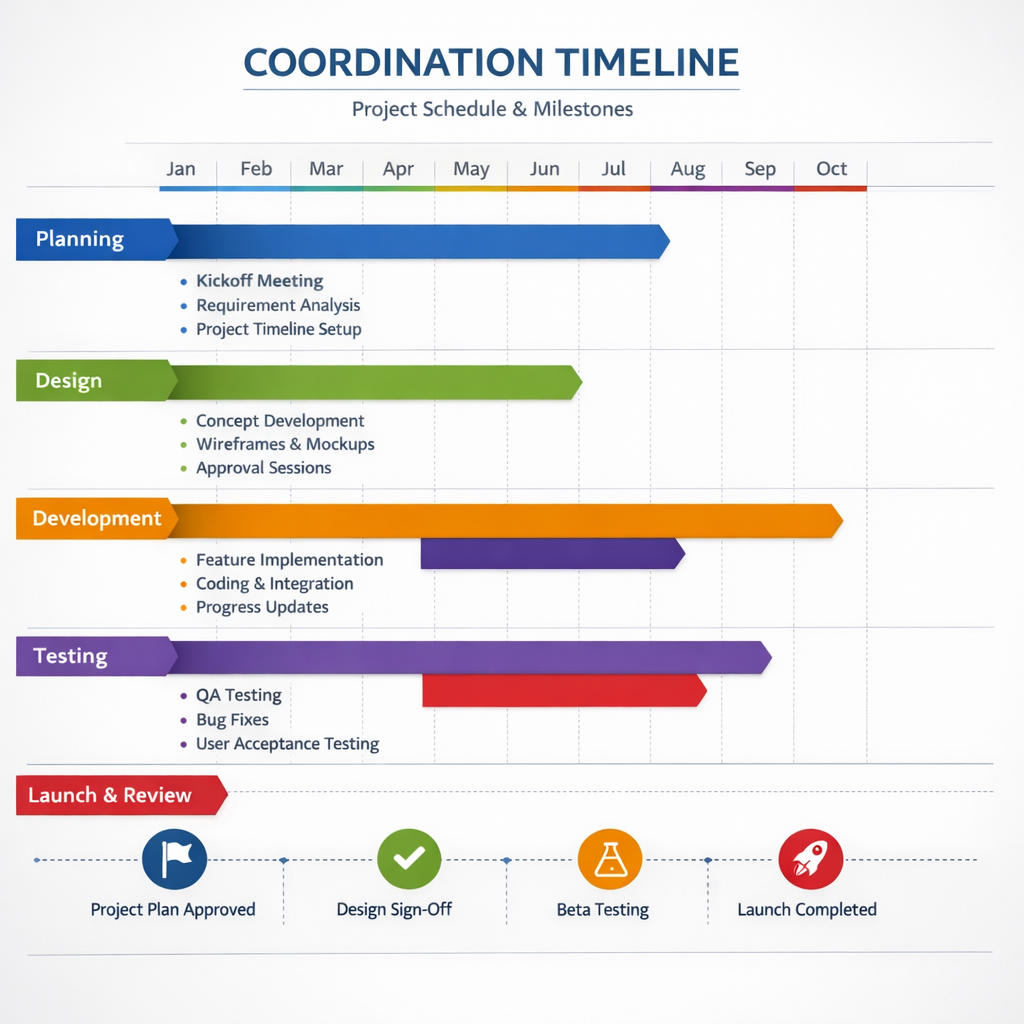
Dynamic Schedule Adjustment Protocols
Despite careful planning, real-world complications require adaptive responses. When flight delays exceed buffer allowances, professional Bay Area Super Bowl Limo coordination implements dynamic adjustments: reversing airport pickup sequences, deploying additional vehicles to maintain separate groups, or coordinating alternative meeting locations reducing overall travel distances.
Lead planners with decision-making authority enable rapid adjustments without lengthy approval processes. Pre-established protocols defining acceptable modifications and cost thresholds empower coordinators to solve problems quickly. This agility proves essential during high-pressure Super Bowl weekend logistics where delays cascade rapidly without intervention.
Cost Optimization Strategies
Consolidated Booking Advantages
Booking comprehensive multi-airport coordination through single Bay Area Super Bowl Limo providers generates cost advantages versus separate individual bookings. Volume discounts apply when one service handles all airport pickups rather than splitting business across multiple vendors. Professional providers value relationship development and reward consolidated bookings with preferential pricing.
Administrative efficiency also drives savings. Single contracts, unified payment processing, and centralized coordination reduce transaction costs benefiting both providers and clients. Lead planners save time managing one vendor relationship rather than multiple provider communications, contracts, and billing reconciliations.
The ability to optimize vehicle deployment across multiple pickups creates operational efficiencies that professional providers can share with clients through reduced pricing. A Sprinter van executing three airport pickups sequentially generates better utilization than three separate sedans making individual trips.
Early Booking Price Protection
Super Bowl LX creates unprecedented Bay Area ground transportation demand. Early booking six to nine months before the event secures current pricing before demand-driven increases occur. Professional Bay Area Super Bowl Limo services honor quoted rates for advance reservations despite market price escalations as event dates approach.
Early commitments also guarantee vehicle and chauffeur availability when peak demand depletes provider capacity. Lead planners who wait until flight schedules finalize risk finding limited availability and significantly higher pricing. Strategic early booking despite some itinerary uncertainty proves more cost-effective than delayed reservation.
Modification policies allow reasonable itinerary adjustments without penalty when providers understand that complex group coordination involves evolving details. Professional services accommodate flight time changes, passenger count adjustments, and route modifications within established parameters, balancing flexibility with operational planning requirements.
Group Size Optimization
Vehicle capacity utilization affects per-person costs significantly. A 14-passenger Sprinter van costs substantially more than a 6-passenger SUV, but when fully utilized the per-person expense actually decreases. Lead planners should analyze total group size and optimize vehicle selection maximizing capacity utilization.
Combining separate small groups into consolidated pickups generates economies of scale. If three different families or business teams arrive at different airports but share similar destinations, coordinated multi-airport collection with group transport delivers better value than separate individual services. A Bay Area Super Bowl Limo coordinator can facilitate these consolidation opportunities when lead planners communicate openly about group composition.
Corporate Group Considerations
Business Travel Policy Compliance
Corporate travel managers coordinating multi-airport pickups for executive teams or client entertainment groups must ensure ground transportation selections comply with company policies. Professional Bay Area Super Bowl Limo services familiar with corporate account requirements provide appropriate documentation, maintain necessary insurance coverage, and deliver service standards meeting policy specifications.
Direct billing arrangements simplify expense reporting when multiple executives share vehicles or when costs should allocate to corporate entertainment budgets rather than individual travel expenses. Monthly invoicing consolidates all Super Bowl weekend charges into organized statements supporting finance department verification requirements.
Pre-negotiated corporate rates apply across all services when companies establish master account relationships. This consistency ensures the SFO executive pickup receives the same pricing structure as the SJC client collection, simplifying budget planning and preventing cost discrepancies requiring explanation.
Client Impression Management
Corporate entertainment hosts recognize that ground transportation quality influences client perceptions from initial contact. When important customers arrive at different Bay Area airports, coordinated professional pickup demonstrates organizational competence and commitment to hospitality. A Bay Area Super Bowl Limo service executing flawless multi-airport coordination creates positive first impressions that enhance overall entertainment experiences.
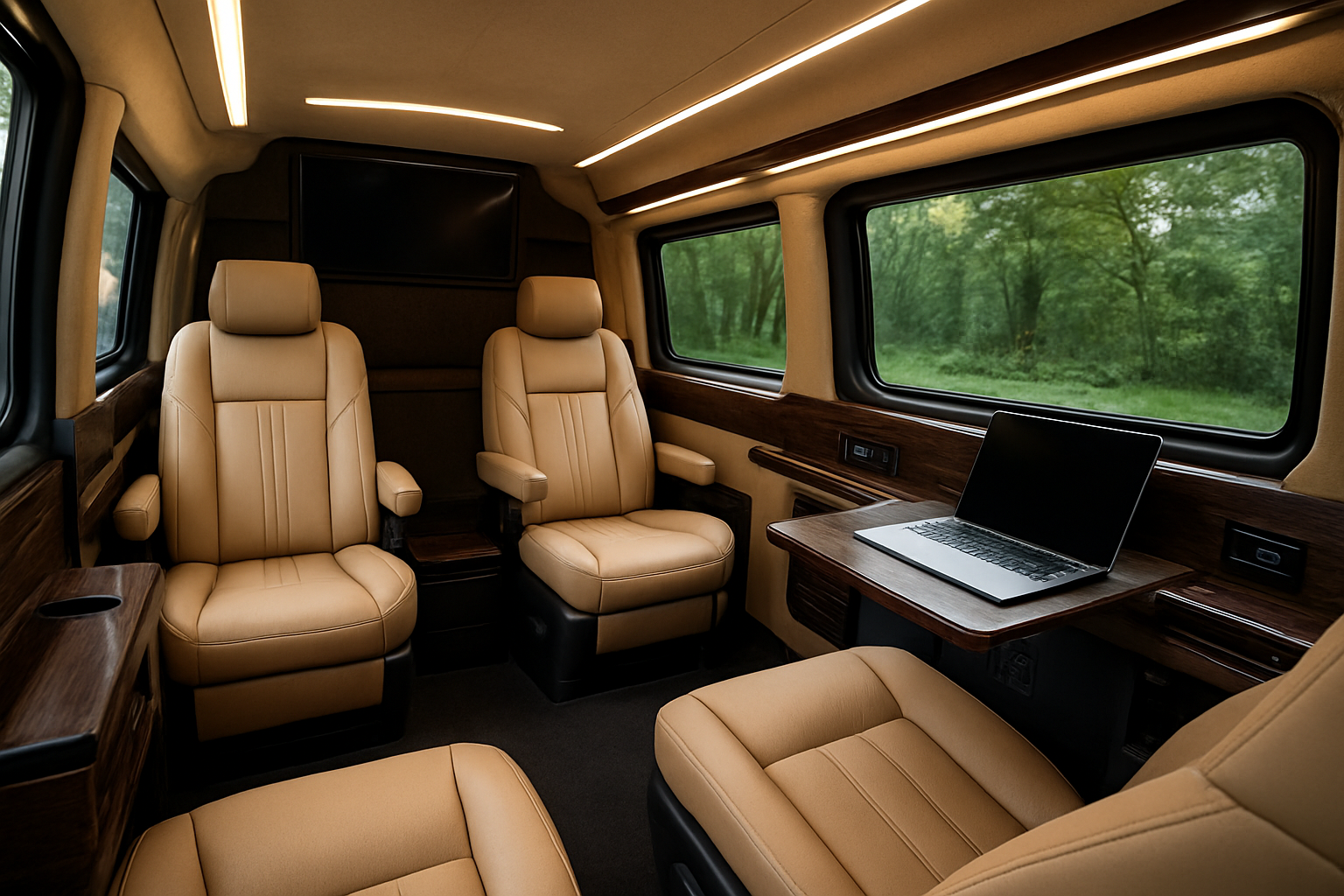
Vehicle presentation standards matter significantly for client-facing applications. Pristine exterior condition, detailed interior cleanliness, and professional chauffeur appearance all contribute to brand image projection. Lead planners should specify corporate account status during booking to ensure providers assign premium vehicles and experienced chauffeurs to client-visible services.
In-vehicle amenities including Wi-Fi connectivity, premium beverages, and climate control demonstrate attention to comfort details. These seemingly small touches contribute to overall impressions that clients associate with hosting companies. Professional coordination elevates entire entertainment experiences beyond simple functional transportation.
Communication and Coordination Tools
Centralized Guest Information Management
Lead planners coordinating multi-airport pickups benefit from centralized information management systems tracking all guest details: flight information, mobile contact numbers, special requirements, luggage counts, and destination preferences. Professional Bay Area Super Bowl Limo services provide client portals or spreadsheet templates facilitating organized data collection and sharing.
Complete information enables optimal coordination planning. Knowing that one guest requires wheelchair accessibility affects vehicle selection and chauffeur assignment. Understanding that another guest carries oversized golf clubs influences cargo space allocation. Collecting these details proactively prevents day-of complications requiring last-minute solutions.
Privacy protection for guest information maintains appropriate confidentiality. Corporate client lists, executive travel details, and personal contact information require secure handling. Professional providers maintain data protection protocols ensuring information sharing occurs only within authorized coordination channels.
Real-Time Location Tracking
Modern coordination includes GPS tracking allowing lead planners to monitor vehicle locations during active pickups. Mobile applications or web portals display chauffeur positions, estimated arrival times at next airports, and current passenger counts. This visibility reduces anxiety and enables proactive communication with waiting guests about accurate pickup timing.
Location tracking also supports problem diagnosis when unexpected delays occur. If a vehicle appears stationary on the Bay Bridge, lead planners can investigate traffic conditions, communicate delays to waiting passengers, and potentially deploy contingency vehicles if delays exceed acceptable thresholds.
Transparency about tracking capabilities reassures corporate clients and family coordinators that professional oversight continues throughout execution phases. This visibility differentiates comprehensive professional services from basic transportation providers offering no coordination insight beyond initial booking confirmations.
Frequently Asked Questions
What limo services cover Bay Area Super Bowl LX transportation?
Professional providers including Delux Limousine Transportation Service offer comprehensive Bay Area coverage spanning all three major airports and regional destinations. Services include multi-airport coordination, Levi’s Stadium access, hotel transfers, and multi-day event week itineraries. Established local operators with Bay Area expertise deliver superior knowledge and reliability.
How much do Bay Area Super Bowl limos cost for game day?
Pricing varies by vehicle type and service scope. Executive sedans for single airport pickups start around $150-200. Luxury SUVs cost $200-300. Sprinter vans for multi-airport group coordination range $400-700 depending on route complexity. Full game day packages including multi-airport pickups and stadium transport average $800-1,500. Super Bowl LX premium event pricing applies.
Do Bay Area Super Bowl limo services include SFO airport transfers?
Yes, comprehensive services cover all three major airports: San Francisco International (SFO), Oakland International (OAK), and San Jose Mineta (SJC). Flight tracking monitors arrivals, chauffeurs coordinate terminal-specific pickups, and baggage assistance is provided. Multi-airport consolidated pickups represent core service offerings for group coordinators.
Are sprinter vans available for Bay Area Super Bowl groups?
Mercedes Sprinter vans seating 10-14 passengers serve as optimal vehicles for multi-airport group consolidation. Executive interior configurations maintain luxury standards with leather seating, climate zones, and entertainment systems. Generous cargo capacity accommodates substantial luggage from multiple flights. Professional chauffeurs trained in larger vehicle operation ensure safe comfortable transport.
What is the best way to book Bay Area Super Bowl limo service?
Early booking six to nine months before Super Bowl LX secures availability and optimal pricing. Contact professional providers directly rather than using aggregator platforms for complex multi-airport coordination. Provide complete flight information, passenger counts, special requirements, and destination details. Request dedicated account manager assignment for coordinated group logistics.
Do Bay Area limos provide Levi’s Stadium VIP drop-off zones?
Professional services coordinate VIP and suite entrance access through relationships with Levi’s Stadium operations. Appropriate credentials and security clearances enable direct drop-off at premium entrances. Post-game pickup coordination includes strategic positioning and traffic management expertise ensuring efficient departures despite crowd conditions.
Can Bay Area Super Bowl limos accommodate tailgates?
Luxury SUVs and Sprinter vans provide cargo capacity for coolers, tailgate equipment, and supplies. Advance notice during booking ensures appropriate vehicle assignment and chauffeur preparation. Some services offer tailgate setup assistance and extended service packages supporting multi-hour pre-game hospitality activities.
How far in advance to reserve Bay Area Super Bowl transportation?
Six to nine months advance booking is recommended for Super Bowl LX. Peak demand depletes premium vehicle availability and experienced chauffeur capacity as event dates approach. Early reservations secure preferred pricing, guarantee service availability, and allow adequate planning time for complex multi-airport coordination logistics.
Are corporate packages available for Bay Area Super Bowl limo fleets?
Professional providers offer corporate account programs with volume discounts, direct monthly billing, and dedicated account management. Multi-vehicle fleet coordination serves large corporate groups across simultaneous events. Pre-negotiated rates and service parameters simplify booking administration and ensure consistent quality across all executive and client transportation.
What happens with post-game traffic for Bay Area Super Bowl limos?
Experienced chauffeurs coordinate strategic pickup locations and timing to minimize traffic delays. Professional relationships with Levi’s Stadium operations enable preferential positioning. Real-time traffic monitoring and communication with passengers allows flexible departure timing adjustments. Dedicated service guarantees vehicle availability regardless of congestion unlike ride-share platforms where drivers cancel during peak demand.
Day-of Coordination Best Practices
Pre-Arrival Confirmation Protocol
Lead planners should implement confirmation protocols 24-48 hours before arrival day. Contact all arriving guests verifying flight details remain current, confirming mobile contact numbers function correctly, and reviewing ground transportation meeting procedures. This final verification prevents last-minute surprises and allows time for adjustments if guests changed flights or encounter issues.
Coordinate with Bay Area Super Bowl Limo service providers conducting final route reviews, confirming chauffeur assignments, and establishing emergency contact procedures. Review contingency plans for various delay scenarios, weather complications, or unexpected guest count changes. This preparation creates confidence that all parties understand responsibilities and possess tools for successful execution.
Active Monitoring During Execution
Lead planners should maintain active oversight during pickup execution rather than assuming automation handles everything perfectly. Monitor flight tracking updates, maintain communication availability for chauffeur questions, and track guest communications confirming successful connections. This engaged supervision enables rapid problem response when complications arise.
Establish check-in protocols where chauffeurs confirm completion of each airport pickup before proceeding to next locations. These confirmations provide reassurance that coordination proceeds according to plan and create documentation trails supporting post-event review and continuous improvement.

Post-Pickup Debrief and Adjustment
After successful multi-airport consolidation completion, brief debriefs with service providers and guest groups identify improvement opportunities for return journeys or future events. What timing estimates proved accurate versus requiring adjustment? Which communication protocols worked well versus creating confusion? This learning mindset transforms complex coordinations into refined processes for subsequent applications.
Thank chauffeurs and coordinators who executed successfully, providing positive feedback that reinforces professional service delivery. This appreciation builds relationships supporting future coordination requirements and demonstrates leadership that values team contributions across all service levels.
Return Journey Considerations
Departure Consolidation Challenges
Return journeys present different coordination challenges than arrivals. Guests departing Bay Area airports after Super Bowl LX likely have varying flight times spread across hours or even days. Some might depart Monday morning while others extend stays through Tuesday or Wednesday. This temporal dispersion complicates consolidated transport approaches that work well for synchronized arrivals.
A Bay Area Super Bowl Limo service can coordinate flexible departure strategies: individual airport transfers for staggered departures, shared rides for guests with similar flight times, or staged hotel departures where morning groups transfer early while afternoon travelers enjoy extended checkout. Professional coordination adapts to return logistics rather than forcing all situations into single templates.
Multi-Day Itinerary Integration
Comprehensive event week service packages integrate arrival coordination, daily event transportation, and departure logistics into unified programs. Lead planners benefit from continuity where the same professional team managing complex multi-airport arrivals also handles stadium transport, restaurant transfers, and return airport coordination.
This integrated approach through established Bay Area Super Bowl Limo relationships creates service consistency and relationship familiarity impossible with piecemeal booking approaches. Chauffeurs who successfully navigated arrival complexities understand guest preferences and group dynamics, delivering increasingly personalized service throughout extended engagements.
Technology Platform Integration
Mobile App Coordination Features
Advanced service providers offer mobile applications facilitating multi-airport coordination through centralized platforms. Lead planners access dashboards showing all scheduled pickups, assigned vehicles, chauffeur contact information, and real-time status updates. Passengers download companion apps enabling direct chauffeur communication and vehicle tracking.
These technology platforms enhance coordination without replacing personal service. Lead planners still communicate directly with account managers for complex questions or special requests. Technology handles routine information flow while human expertise addresses nuanced situations requiring judgment and experience.
Automated Notification Systems
System-generated notifications keep all parties informed throughout coordination execution. When the first airport pickup completes successfully, automatic updates inform lead planners and passengers waiting at subsequent airports. Flight delay alerts trigger from airline data feeds, allowing proactive timing adjustments before problems cascade.
Customizable notification preferences allow lead planners to determine which updates they receive actively versus what information remains accessible through dashboard queries. This flexibility prevents notification overload while maintaining comprehensive oversight capability.
Conclusion
Coordinating Bay Area Super Bowl Limo service for groups arriving at SFO, OAK, and SJC airports demands strategic planning, professional service provider selection, and active execution management. The geographic complexity of Bay Area’s three-airport configuration requires expertise in sequential routing, parallel deployment, or hub-and-spoke consolidation approaches tailored to specific arrival patterns and guest requirements.
Professional multi-airport coordination through established providers delivers superior results compared to fragmented booking approaches. Single points of contact, unified fleet management, real-time communication systems, and experienced chauffeur teams transform complex logistics into smooth, professional execution that impresses guests and eliminates coordinator stress.
Early booking secures availability and optimal pricing while allowing adequate planning time for complex itinerary development. Complete flight information sharing, realistic timeline development with appropriate buffers, and clear communication protocols create foundations for successful coordination. Active monitoring during execution enables rapid problem response when inevitable complications arise.
Delux Limousine Transportation Service specializes in complex multi-airport coordination with comprehensive Bay Area coverage and years of major event experience. Professional account management, flight tracking technology, and experienced chauffeur teams deliver the reliability that lead planners require for high-stakes Super Bowl LX group coordination.
Connect with Delux through social media for coordination insights and service information. Follow Facebook, Instagram, and LinkedIn for updates. Review client testimonials on Yelp.
Explore comprehensive service offerings including corporate group packages and multi-airport coordination solutions. Professional reservation specialists provide detailed consultations addressing specific Super Bowl LX multi-location pickup requirements and group logistics planning.
Book Your Super Bowl LX with Delux Limousine Transportation Service (San Francisco)!
Call: 610-871-8784
WhatsApp: 267-988-3392
Email: reservations@dltsl.com
Contact: https://dltsl.com/contact-us/