Introduction
Super Bowl LX arrives in the Bay Area on February 9, 2026, creating one of the most challenging transport scenarios for business travelers and event attendees. While ride-share apps offer convenience during normal conditions, high-stakes events expose critical weaknesses in these platforms. Professional Transportation services provide contractual reliability, fixed pricing, and guaranteed availability that app-based options cannot match.
Business travelers attending client meetings, corporate hospitality events, and game day functions face significant risks with ride-share dependency. Surge pricing multiplies costs unpredictably. Driver cancellations occur at critical moments. Vehicle quality varies wildly between trips. This comparison examines how each transport option performs under Super Bowl week pressure, revealing why experienced executives choose dedicated chauffeur services for important events.
Reliability During Peak Demand
Guaranteed Availability vs. App-Based Uncertainty
Professional Transportation operates on contractual commitments. When you book a black car service, that vehicle and driver are reserved exclusively for your trip. Cancellations do not occur because another passenger offered higher compensation. Your chauffeur arrives at the scheduled time regardless of competing demand in the area.
Ride-share platforms function on dynamic matching algorithms. Drivers accept or decline trip requests based on profitability calculations. During Super Bowl LX, when thousands of users simultaneously request rides, drivers prioritize longer, higher-paying trips. Short airport runs or quick hotel transfers get repeatedly declined, leaving passengers stranded with “no drivers available” notifications.
Response Time Comparison
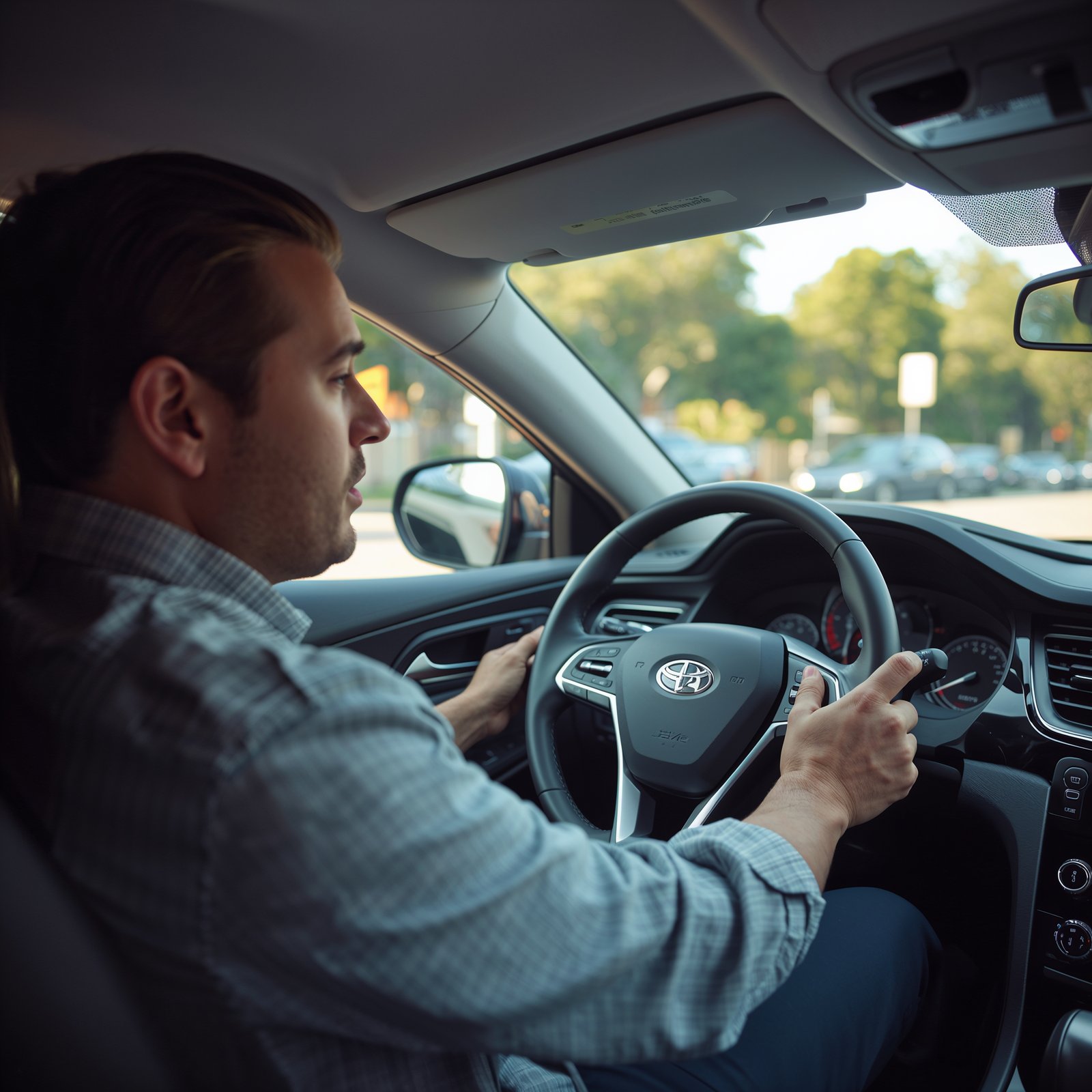
Black car services confirm exact pickup times days in advance. Chauffeurs arrive five to ten minutes early, monitoring traffic conditions to ensure punctual service. Passengers receive direct phone contact with their assigned driver, allowing real-time communication about any changes.
Ride-share apps estimate arrival times that fluctuate constantly. A three-minute wait can suddenly become fifteen minutes as your assigned driver cancels and the app searches for a replacement. Business travelers rushing to catch flights or attend scheduled meetings cannot tolerate this uncertainty.
Table: Reliability Metrics Comparison
| Factor | Professional Transportation | Ride-Share Apps |
|---|---|---|
| Booking guarantee | Contractual commitment | No guarantee until driver arrives |
| Cancellation risk | Eliminated through contracts | Driver can cancel anytime |
| Peak demand availability | Reserved vehicles guaranteed | Limited by driver supply |
Pricing Transparency and Cost Control
Fixed Rates vs. Surge Pricing
Professional Transportation quotes exact prices before booking confirmation. Rates remain constant regardless of demand fluctuations, traffic delays, or event timing. Corporate travelers can budget accurately and submit precise expense reports without surprise charges.
Ride-share platforms implement surge pricing during high-demand periods. Super Bowl week represents peak surge conditions. A normally $40 airport transfer can cost $200 or more during game day. Prices change minute by minute, making budget planning impossible. Passengers discover final costs only after trip completion.
Hidden Fees and Tip Calculations
Black car service quotes include all fees, tolls, and gratuity. No additional charges appear after service completion. Corporate billing remains straightforward with itemized invoices showing agreed-upon rates.
Ride-share apps add booking fees, service charges, and airport surcharges that appear only during checkout. Tipping occurs through the app after the ride, creating ambiguity about appropriate amounts. These variable costs complicate expense tracking for business travelers.
Corporate Account Benefits
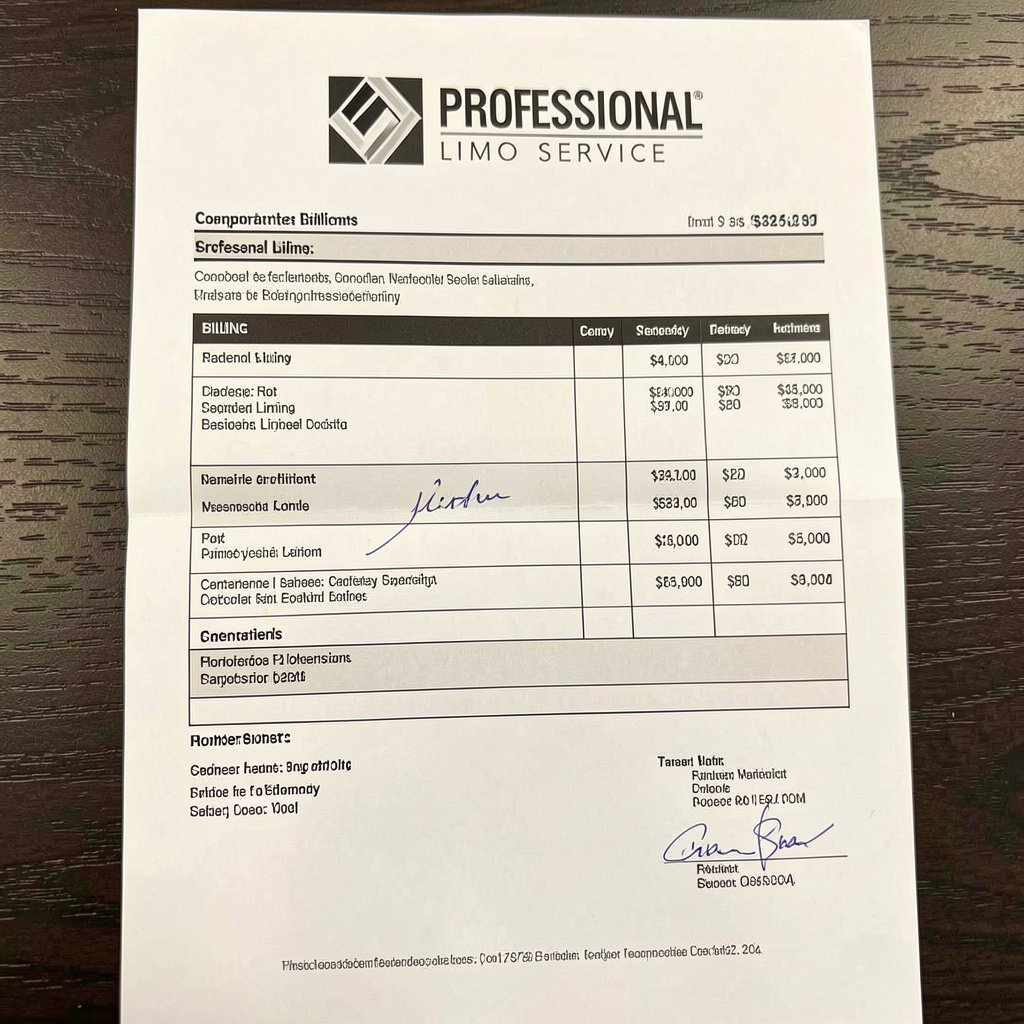
Professional car services establish corporate accounts with monthly billing cycles. Finance departments receive consolidated invoices covering all employee trips. Pre-negotiated rates and spending controls streamline budget management.
Uber for Business offers corporate features but still applies surge pricing to individual trips. Cost predictability remains limited during high-demand periods. Monthly reconciliation requires reviewing dozens of variable-rate transactions.
Driver Qualifications and Safety Standards
Background Check Differences
Professional Transportation companies conduct comprehensive background investigations including criminal history, driving record analysis, and employment verification. Chauffeurs undergo drug testing and must maintain clean records to preserve commercial licensing. State regulatory agencies oversee these requirements and conduct periodic audits.
Ride-share platforms perform background checks, but standards vary by jurisdiction. Drivers can begin accepting passengers within days of application approval. No ongoing monitoring occurs unless complaints trigger reviews. Vehicle inspections follow less stringent requirements than commercial transport regulations.
Training and Professional Development
Black car chauffeurs receive formal training in defensive driving, customer service protocols, and route planning. Companies invest in ongoing education covering traffic law updates, vehicle technology, and hospitality standards. Experienced chauffeurs develop area expertise through years of professional driving.
Ride-share drivers receive minimal orientation focused on app functionality. No formal driving instruction or customer service training is required. Experience levels range from professional drivers supplementing income to complete novices earning side income. Passengers cannot predict driver competency levels.
Commercial Licensing Requirements
Professional car services employ drivers holding commercial licenses with passenger endorsements. These credentials require additional testing beyond standard driver’s licenses. Insurance coverage meets commercial standards significantly exceeding personal vehicle policies.
Ride-share drivers operate under personal vehicle classifications in most jurisdictions. Insurance coverage shifts between personal and commercial policies depending on app status, creating potential gaps. Regulatory requirements remain lighter than traditional commercial transport standards.
Vehicle Quality and Maintenance Standards
Fleet Specifications and Condition
Professional Transportation maintains dedicated fleets of luxury vehicles including BMW 7 Series, Mercedes S-Class, and Cadillac Escalade models. Regular maintenance schedules ensure optimal mechanical condition. Detailed interior cleaning occurs between every passenger assignment. Vehicles remain in service for limited years before fleet replacement.
Ride-share vehicle quality depends entirely on individual driver choices. Age, mileage, and condition vary dramatically between trips. A passenger might ride in a pristine new sedan one day and a vehicle with worn interiors and mechanical issues the next. No standardization exists across the platform.
Table: Vehicle Standards Comparison
| Feature | Professional Transportation | Ride-Share Services |
|---|---|---|
| Vehicle age | Typically under 3 years | Varies by driver ownership |
| Maintenance schedule | Mandatory professional service | Driver’s discretion |
| Cleanliness standards | Detailed cleaning between rides | Driver’s personal standards |
Amenities and Comfort Features
Black car services equip vehicles with bottled water, smartphone charging cables, climate control, and Wi-Fi connectivity. Leather interiors, privacy partitions, and premium sound systems come standard. Chauffeurs maintain these amenities and replace consumables regularly.
Ride-share vehicles may offer phone chargers if the driver chooses to provide them. Water bottles and other amenities remain driver-optional. Comfort features depend entirely on the vehicle’s original purchase specifications and current condition.
Accessibility Accommodations
Professional car services maintain wheelchair-accessible vehicles and train chauffeurs in proper assistance techniques. Advance notice ensures appropriate vehicle assignment for passengers with mobility needs. Equipment meets commercial accessibility standards.
Ride-share platforms offer accessibility options, but availability depends on drivers with suitable vehicles being online when requested. Wait times increase significantly for accessible ride requests. No guaranteed service window exists for time-sensitive trips.
Service Consistency and Predictability
Vehicle and Driver Assignment
Professional Transportation allows passengers to request specific vehicles and familiar chauffeurs for repeated service. Business travelers attending multiple Super Bowl LX events can maintain the same driver throughout the week, building rapport and ensuring consistent service quality. This continuity eliminates the need to explain preferences repeatedly.
Ride-share apps randomly assign available drivers for each trip. Passengers cannot request previous drivers they liked or avoid ones who provided poor service. Every ride represents an unknown quality experience. Corporate travelers cannot establish relationships with drivers or expect personalized service.
Communication and Coordination
Black car services provide direct phone numbers for assigned chauffeurs and dispatch coordinators. Passengers can call ahead to adjust pickup times, request route changes, or communicate special needs. Dispatchers track flights and modify schedules proactively when delays occur.
Ride-share communication occurs exclusively through app messaging. Drivers may not respond to messages promptly. No central coordination exists to handle complex itineraries or last-minute changes. Passengers must rebook entirely if plans shift significantly.
Service Guarantees and Recourse
Professional Transportation companies maintain reputations through consistent service delivery. Contracts specify service standards and provide remedies for failures. Corporate clients can escalate concerns to account managers who have authority to resolve issues immediately.
Ride-share platforms offer refund processes through app-based claims systems. Resolution timelines vary, and outcomes depend on automated review systems. No personal accountability exists, and passengers have limited recourse for poor experiences beyond rating the driver.
Corporate Travel Management
Expense Reporting Integration
Professional Transportation provides detailed invoices with trip dates, pickup and drop-off locations, mileage, and applicable rates. Corporate account billing consolidates multiple trips into monthly statements that integrate with expense management software. Finance departments can track spending patterns and verify expense policy compliance easily.
Ride-share receipts come through app-generated emails that employees must manually submit. Variable pricing makes expense verification challenging. Finance teams cannot easily distinguish between standard trips and surge-priced rides without reviewing individual receipts.
Travel Policy Compliance
Black car services allow companies to establish spending controls, approved vehicle types, and authorized trip purposes. Employees book within predetermined parameters, ensuring policy compliance automatically. Violations cannot occur when the booking system enforces rules upfront.
Ride-share corporate accounts offer some spending controls, but employees can still book premium ride types or incur surge charges that exceed policy limits. Post-trip review becomes necessary to identify violations, creating administrative burden.
Multi-City Service Coordination
Professional Transportation companies maintain networks across major business destinations. Corporate accounts established for Bay Area service extend to other cities, providing consistent service quality regardless of location. Single points of contact manage bookings nationally.
Ride-share services function the same everywhere, but this uniformity means corporate travelers receive no preference or enhanced service based on company relationships. Every trip represents a transaction with a new driver who has no knowledge of corporate account status.
Group Transportation Capabilities
Vehicle Options for Multiple Passengers
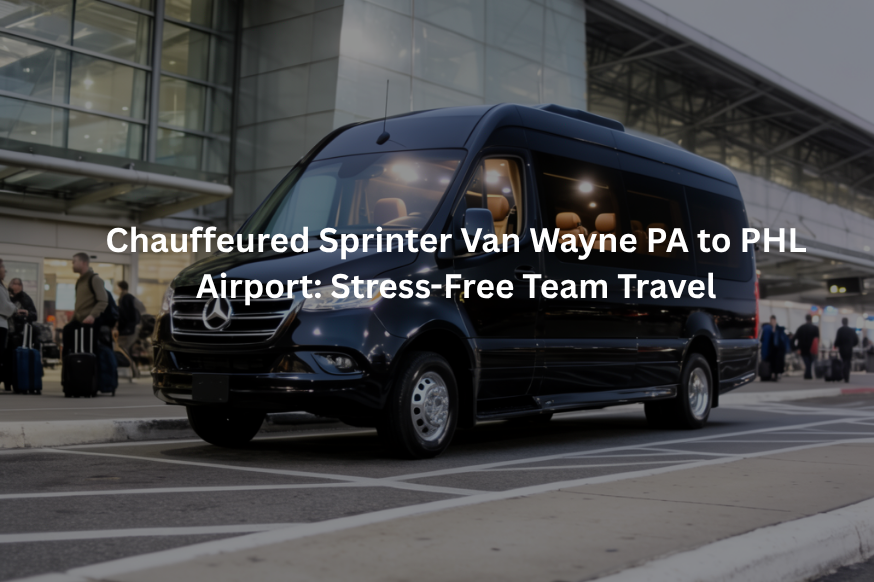
Professional Transportation fleets include Mercedes Sprinter vans accommodating 10-14 passengers comfortably. Executive SUVs seat six passengers with luggage space. Multiple vehicles can be coordinated for larger groups, ensuring simultaneous arrivals at destinations.
Ride-share apps require booking multiple vehicles for groups exceeding four passengers. UberXL accommodates up to six passengers but with limited luggage capacity. Coordinating multiple drivers to arrive simultaneously and travel together proves nearly impossible. Groups risk separation and staggered arrivals.
Cost Efficiency for Groups
Black car services charge per vehicle, making group transport cost-effective. A Sprinter van costs significantly less than booking three separate sedans. Corporate teams attending Super Bowl LX hospitality events benefit from consolidated billing and unified arrival experiences.
Ride-share apps charge per vehicle with no group discount structures. Booking multiple rides multiplies costs and introduces complexity. Surge pricing applies to each vehicle independently, making total costs unpredictable.
Coordination and Logistics
Professional car services assign dedicated coordinators for group transportation. Single contacts manage timing, vehicle assignments, and route planning. Chauffeurs communicate with each other to maintain group cohesion during travel.
Ride-share platforms offer no coordination between multiple booked rides. Each driver operates independently with no knowledge of related trips. Passengers must manage coordination themselves through phone calls or text messages.
Airport Transfer Excellence
Flight Monitoring and Adaptation
Professional Transportation chauffeurs track flight arrivals in real-time. Delays trigger automatic schedule adjustments without passenger notification requirements. Drivers position themselves at appropriate terminals before arrivals, eliminating wait times at baggage claim.
Ride-share pickups at San Francisco International Airport require passengers to navigate to designated zones after collecting luggage. Apps show estimated driver arrival times, but delays and cancellations occur frequently. Airport cell phone lots force drivers to wait off-site, adding 10-15 minutes to pickup times.
Meet and Greet Services
Black car chauffeurs offer meet and greet options inside terminals. Drivers hold name signs at baggage claim, assist with luggage handling, and escort passengers to vehicles parked nearby. This personalized service eliminates confusion about pickup locations and provides immediate assistance.
Ride-share pickups occur at crowded designated zones where passengers must identify vehicles among dozens of arriving cars. No luggage assistance occurs. Business travelers in unfamiliar airports struggle to locate correct pickup points while managing baggage.
Table: Airport Service Comparison
| Feature | Professional Transportation | Ride-Share Apps |
|---|---|---|
| Flight tracking | Automatic monitoring and adjustment | Passenger must update pickup time |
| Terminal assistance | Meet and greet with luggage help | Self-service at pickup zone |
| Wait time | Driver arrives before passenger | 10-15 minute wait after request |
Return Trip Coordination
Professional car services schedule return airport transfers in advance, confirming pickup times and locations before the trip begins. Chauffeurs arrive early and wait in hotel driveways or designated pickup areas. No last-minute booking stress occurs on departure day.
Ride-share users must request rides shortly before needed airport transport. Surge pricing during morning rush hours increases costs unpredictably. Driver availability fluctuates, creating anxiety about making flight departures on time.
Super Bowl LX Specific Challenges
Game Day Transportation Chaos
Super Bowl Sunday creates unprecedented demand for ground transportation. Professional Transportation services reserved months in advance guarantee vehicle availability regardless of event timing. Pre-coordinated Levi’s Stadium drop-off procedures ensure smooth arrivals despite traffic restrictions.
Ride-share apps experience extreme surge pricing on game day, with multipliers reaching 5x or higher during peak times. Driver supply cannot meet demand, resulting in long wait times or complete unavailability. Passengers risk missing kickoff due to transport failures.
Multi-Event Week Complexity
Super Bowl LX week includes corporate hospitality parties, client dinners, and fan experience events across the Bay Area. Professional Transportation handles complex multi-day itineraries with dedicated vehicle assignments. Chauffeurs learn passenger preferences and provide consistent service throughout the week.
Ride-share dependency for multiple daily trips multiplies the risk of service failures. Each event requires a new booking with uncertain pricing and driver quality. Business travelers cannot establish reliability patterns or build service relationships.
Late Night Service Reliability
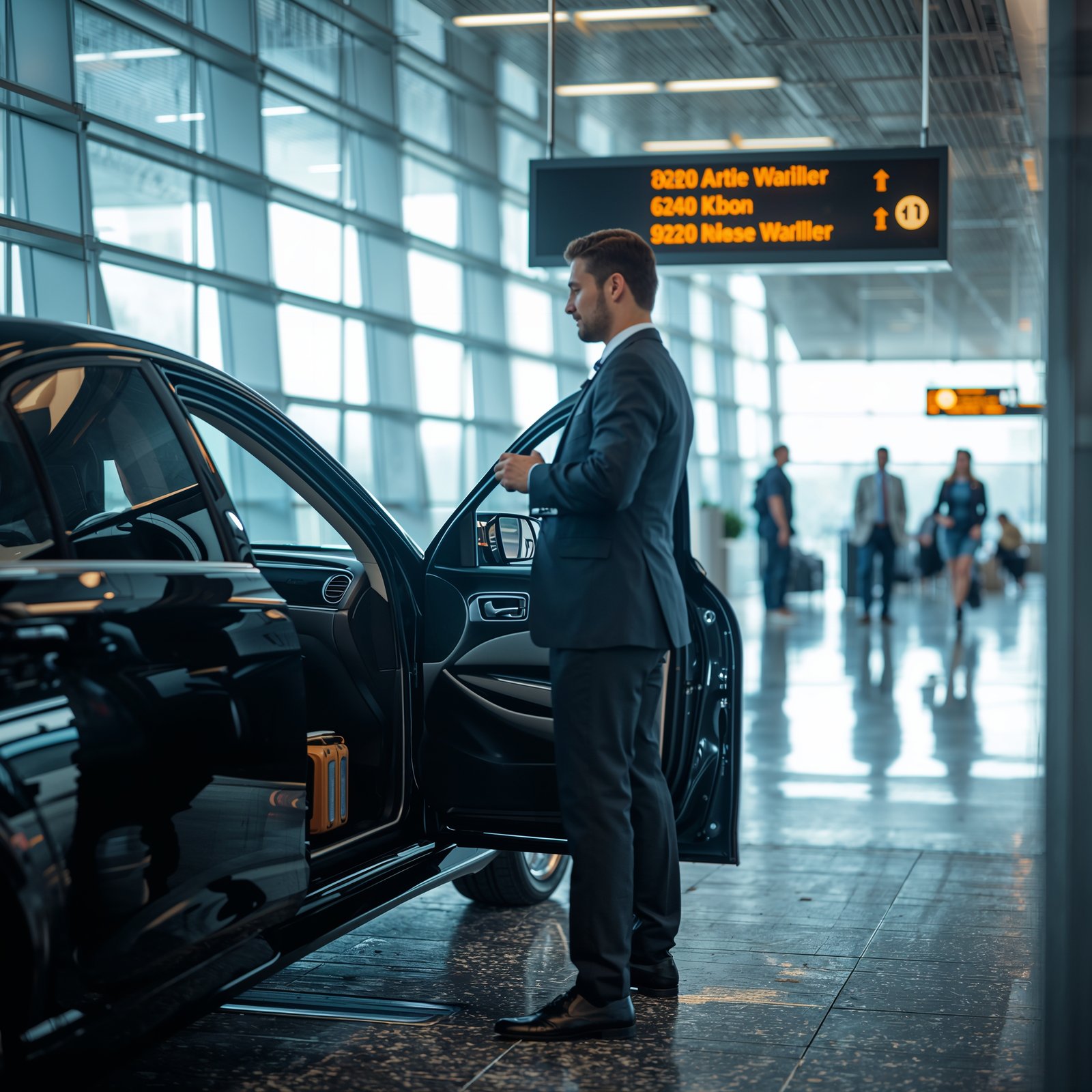
Post-game and after-party transport occurs during late evening hours when ride-share driver supply decreases. Professional Transportation maintains guaranteed availability for contracted return trips. Chauffeurs wait as long as necessary without additional charges for delayed departures.
Ride-share passengers face extreme difficulty securing rides late at night after major events. Drivers often cancel repeatedly, and surge pricing reaches maximum levels. Stranded passengers wait in cold weather or unsafe locations hoping for driver acceptance.
Real-World Scenario Comparisons
Business Meeting Arrival
A corporate executive needs to arrive at a 9:00 AM client meeting in downtown San Francisco. Professional Transportation confirms an 8:00 AM pickup the previous week. The chauffeur arrives at 7:50 AM, accounts for traffic patterns, and delivers the executive by 8:45 AM with time to prepare.
The same executive using ride-share apps requests a ride at 8:00 AM. Surge pricing applies due to morning commute demand. The first driver cancels after five minutes. A second driver accepts but is fifteen minutes away. The executive arrives at 9:10 AM, apologizing for tardiness.
Family Airport Transfer
A family of four with young children and multiple suitcases needs SFO airport transport. Professional Transportation provides a luxury SUV with pre-installed child seats. The chauffeur assists with luggage loading, confirms flight details, and delivers the family to the correct terminal entrance with ample time for check-in.
The family books an UberXL, which arrives in a vehicle barely large enough for their luggage. No child seats are provided, forcing the family to bring their own. The driver seems unfamiliar with airport routes and drops them at the wrong terminal, requiring a shuttle transfer with luggage and children.
Group Event Transportation
A corporate team of twelve needs transport from their hotel to a Super Bowl LX hospitality event. Professional Transportation provides a Mercedes Sprinter van. The entire group travels together, arriving simultaneously and presenting a professional image. The chauffeur coordinates return pickup based on event conclusion timing.
The same group books three separate ride-share vehicles. One driver cancels, forcing four team members to rebook and arrive twenty minutes late. Return coordination proves impossible, with team members departing individually as they secure available drivers. The fragmented experience reflects poorly on company organization.
Insurance and Liability Considerations
Commercial Coverage Standards
Professional Transportation companies maintain commercial insurance policies with higher liability limits than personal vehicle coverage. Passengers receive protection meeting commercial transport standards. Companies carry additional umbrella policies providing extra security for high-value clients.
Ride-share insurance coverage shifts between personal and commercial policies depending on app status. Gaps can occur during transitions between coverage types. Passengers may face complications if accidents occur during these gap periods.
Accident Response Protocols
Black car services follow established accident protocols with immediate notification to company management, insurance carriers, and passengers. Professional handling ensures proper documentation and passenger care. Companies maintain relationships with medical providers and legal counsel to address any issues promptly.
Ride-share accidents require passengers to navigate insurance claims through the driver’s personal coverage or the platform’s commercial policy. No company representative assists with the process. Resolution timelines vary, and passengers must advocate for themselves without professional support.
Technology and User Experience
Booking Process Simplicity
Professional Transportation accepts reservations through phone calls, email, or online booking systems. Corporate accounts allow authorized employees to book directly with simple approval workflows. Confirmation emails provide detailed trip information and direct contact numbers.
Ride-share apps offer convenient booking interfaces, but users must monitor prices, adjust pickup locations, and confirm driver details manually. Corporate account restrictions may prevent booking during certain hours or for specific trip types. Technology failures occasionally prevent booking during critical moments.
Payment Processing
Black car services process payments through corporate accounts, eliminating individual transaction handling. Monthly billing consolidates all trips into single invoices. No tipping decisions occur at trip completion since gratuity is included in quoted rates.
Ride-share apps require payment processing for each trip individually. Credit card authorizations occur repeatedly. Tipping decisions create awkward moments when rating drivers immediately after trips. Business travelers must track multiple small transactions for expense reporting.
Customer Support Access
Professional Transportation provides phone support during business hours and emergency contact numbers for after-hours issues. Account managers know client histories and can resolve problems quickly. Personal relationships enable customized solutions for unique requirements.
Ride-share support occurs through app-based messaging systems with automated responses. Human support staff have no context about user history or specific needs. Resolution times vary, and outcomes depend on standardized policy interpretations rather than relationship-based problem solving.
Long-Term Value Proposition
Relationship Building Benefits
Professional Transportation companies invest in long-term client relationships. Regular users receive priority booking, preferred rates, and personalized service enhancements. Account managers learn client preferences and proactively suggest solutions for upcoming events.
Ride-share platforms treat every trip as an independent transaction. No loyalty benefits accrue beyond basic rewards points. Passengers receive no recognition for repeated usage or enhanced service based on history.
Reputation and Accountability
Black car services maintain reputations through consistent quality delivery. Online reviews, industry certifications, and corporate references validate service standards. Companies face direct accountability for service failures and have strong incentives to maintain excellence.
Ride-share drivers operate semi-independently with limited accountability beyond app ratings. Poor-performing drivers face deactivation, but passengers have no advance way to identify quality providers. Platform reputation exists separately from individual driver quality.
Crisis Management Capability
Professional Transportation maintains contingency plans for vehicle breakdowns, traffic emergencies, and unexpected schedule changes. Backup vehicles stand ready for mechanical failures. Dispatchers coordinate alternative solutions proactively when problems arise.
Ride-share passengers stranded by cancellations or vehicle problems must rebook entirely and hope for better luck. No backup system exists, and passengers bear full responsibility for solving transport failures themselves.
Environmental and Sustainability Factors
Fleet Efficiency Standards
Professional Transportation companies invest in fuel-efficient vehicles and hybrid technology where practical. Newer fleet vehicles reduce emissions while maintaining luxury standards. Corporate clients with sustainability goals can verify provider environmental policies.
Ride-share vehicles vary widely in age and efficiency. Older vehicles with higher emissions operate alongside newer models. Passengers cannot control vehicle selection or ensure environmental standards compliance.
Frequently Asked Questions
What makes professional transportation more reliable than ride-shares?
Professional Transportation operates on contractual guarantees with dedicated vehicle assignments. Cancellations do not occur because no competing demand can outbid reserved trips. Chauffeurs arrive punctually regardless of event pressure or surge conditions. Corporate accounts establish relationships that incentivize consistent performance.
Are professional car services more expensive than Uber Black or Lyft Lux?
Base rates for professional black car service typically exceed standard ride-share options but prove competitive with premium tiers like Uber Black. During high-demand periods like Super Bowl LX, fixed rates for professional services cost significantly less than surge-priced ride-share alternatives. Total cost predictability provides additional value for business travelers.
Do professional drivers undergo stricter background checks than rideshare drivers?
Professional Transportation chauffeurs complete comprehensive background investigations including criminal history, driving records, and employment verification. Commercial licensing requires ongoing monitoring and periodic re-evaluation. Regulatory oversight by state agencies ensures compliance. Ride-share background checks vary by jurisdiction with less stringent ongoing monitoring.
Can professional transportation guarantee specific vehicles and chauffeurs?
Professional services allow clients to request particular vehicles and assign preferred chauffeurs for repeated service. Corporate travelers can maintain the same driver throughout multi-day events, building rapport and ensuring service consistency. Ride-share platforms randomly assign available drivers with no continuity between trips.
How do cancellation policies differ between pros and ride-shares?
Professional Transportation contracts specify cancellation terms with defined notice requirements and potential charges for late cancellations. However, providers never cancel on passengers once bookings are confirmed. Ride-share drivers can cancel anytime before pickup with no penalty, often when more profitable trips become available.
Do professional services offer corporate accounts and monthly billing?
Black car companies establish corporate accounts with consolidated monthly billing, pre-negotiated rates, and spending controls. Finance departments receive organized invoices covering all employee trips. Ride-share corporate programs offer some features but still process individual trip charges subject to surge pricing.
Are professional cars cleaner and better maintained than ride-shares?
Professional Transportation fleets undergo mandatory maintenance schedules and detailed cleaning between every passenger assignment. Vehicles remain in service for limited years before replacement. Ride-share vehicle condition depends entirely on individual driver standards with no enforced maintenance requirements beyond basic safety inspections.
What amenities come standard in professional black cars vs. ride-shares?
Professional services equip vehicles with bottled water, smartphone charging, Wi-Fi connectivity, and climate control. Leather interiors and premium sound systems come standard. Ride-share amenities depend entirely on driver discretion and vehicle specifications. Water bottles and chargers remain optional extras.
Do ride-shares surge price during peak times unlike fixed-rate pros?
Ride-share platforms implement dynamic surge pricing during high demand, with multipliers reaching 5x or higher during major events. Professional Transportation quotes fixed rates that remain constant regardless of demand fluctuations or traffic conditions. Corporate travelers can budget accurately without price surprises.
Can professional services accommodate groups better than ride-shares?
Professional Transportation fleets include Mercedes Sprinter vans seating 10-14 passengers and luxury SUVs accommodating six passengers comfortably. Group coordination occurs through single contacts who manage timing and logistics. Ride-share groups must book multiple vehicles independently with no coordination between drivers.
Making the Right Choice for Super Bowl LX
Evaluating Your Transportation Priorities
Business travelers must balance cost, reliability, and professionalism when selecting transport options. Super Bowl LX represents a high-stakes environment where transportation failures create significant consequences. Missed meetings, late client arrivals, and unprofessional appearances damage business relationships and personal reputations.
Professional Transportation eliminates these risks through contractual guarantees and quality standards. The marginal cost difference between professional service and surge-priced ride-shares disappears during peak demand periods. Corporate travelers should calculate total event transportation costs including potential surge pricing before assuming ride-share options offer better value.
Planning Timeline Recommendations
Experienced event attendees book professional ground transport six to nine months before major events like Super Bowl LX. Early reservations secure preferred vehicles, experienced chauffeurs, and optimal pricing. Last-minute bookings face limited availability and higher rates as demand depletes provider capacity.
Corporate travel managers should coordinate transportation simultaneously with hotel reservations and event tickets. Integrated planning ensures consistent quality across all travel elements. Waiting until arrival to address transportation needs invites service failures and stress.
Professional Transportation delivers reliability, consistency, and quality that ride-share platforms cannot match during high-pressure events. Super Bowl LX exposes the fundamental weaknesses of app-based transport through surge pricing, driver cancellations, and unpredictable service quality. Business travelers attending corporate functions, families managing complex itineraries, and executives requiring punctual arrivals benefit significantly from dedicated chauffeur services.
Fixed pricing eliminates budget uncertainty. Contractual guarantees ensure vehicle availability regardless of competing demand. Professional drivers with commercial licenses and comprehensive training provide safe, courteous service. Vehicle quality meets luxury standards with consistent maintenance and amenities.
Corporate accounts simplify billing and enable spending controls that ride-share platforms cannot offer. Direct communication with assigned chauffeurs and dispatch coordinators allows real-time coordination for complex schedules. Long-term relationships with professional providers generate service enhancements and preferred treatment during peak periods.
While ride-share apps serve casual transportation needs effectively, critical business travel requires the reliability that only professional ground transport delivers. Super Bowl LX week represents the ultimate stress test for transportation services. Choosing Professional Transportation ensures success rather than hoping algorithms and surge pricing work in your favor.
Delux Limousine Transportation Service maintains the fleet quality, driver expertise, and operational standards that business travelers require. Bay Area knowledge, regulatory compliance, and customer service excellence distinguish professional operations from commodity transport platforms.
Connect with Delux through social media for service updates and client testimonials. Follow Facebook, Instagram, and LinkedIn for fleet showcases and booking information. Review client experiences on Yelp.
Explore comprehensive service offerings covering corporate accounts, airport transfers, and event transportation. Professional reservation specialists provide detailed consultations addressing specific requirements.
Book Your Super Bowl LX with Delux Limousine Transportation Service (San Francisco)!
Call: 610-871-8784
WhatsApp: 267-988-3392
Email: reservations@dltsl.com
Contact: https://dltsl.com/contact-us/